Episode 49
Episode 49: How to Maintain Intimacy After Kids: Essential Strategies for Couples with Dr. Rebecca Howard Eudy
This is your go-to Podcast, where we help parents navigate the complexities of family life. Hosted by Ali Kessler of Greyson’s Choice, we’ll cover everything from understanding domestic violence to navigating the legal system, finding the right therapists, life hacks, family law, mental health, custody battles, and how to protect children in dangerous situations.
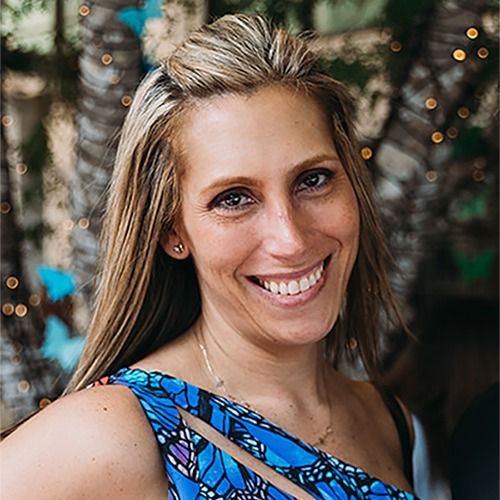
Host, Ali Kessler, interviews Dr. Rebecca Howard Eudy, a licensed mental health counselor, certified sex therapist, and certified EFT couples therapist, about why intimacy often declines during parenting and how couples can reconnect emotionally and sexually. Dr. Eudy discusses how exhaustion, survival mode, and lack of “runway” can erode desire; how pursue/withdraw cycles and attachment injuries drive conflict; and why shame and limited language keep couples from seeking help. She shares practical steps like de-escalating the cycle, building shared language around triggers and trauma, and creating daily “micro moments” of connection. Dr. Eudy describes her book, Parents in Love: A Guide to Great Sex After Kids; her coaching/therapy availability in MA, CT, and NY; and her podcast, Under the Hood, which includes pelvic floor insights.
About Dr. Rebecca Howard Eudy
Dr. Rebecca Howard Eudy, Ph.D., LMHC, is an AASECT-certified sex therapist, licensed mental health counselor, and certified EFT couples therapist with more than a decade of experience helping couples rebuild intimacy, desire, and emotional connection—especially during the parenting years.
She works with individuals and couples across all stages of relationships, including dating, long-term partnerships, and those navigating parenthood or major life transitions. Her practice is inclusive and affirming of all genders, sexual orientations, and relationship structures, and she is licensed in New York, Connecticut, and Massachusetts.
Dr. Eudy is the author of the upcoming book Parents in Love: A Guide to Great Sex After Kids (PESI Publishing, October 21, 2025), which blends attachment theory, relationship science, and practical tools to help couples restore romance and connection without shame or unrealistic expectations.
Her work is grounded in the belief that children benefit most from parents who feel emotionally secure, connected, and loving with one another.
Learn more at rebeccaeudy.com
About Ali Kessler: Ali Kessler is a writer, marketing professional, passionate parent advocate, and founder of Greyson’s Choice, a 501(c)(3) created to raise awareness about the risk of domestic abuse on children. Greyson’s Choice was founded by Ali Kessler in memory of her sweet, vibrant, and fearless 4.5-year-old son, Greyson, who was murdered by his biological father in a murder-suicide during an unsupervised, court-approved visit in Ft. Lauderdale, FL, in 2021. This came just hours after her petition for a domestic violence injunction was denied by a Broward County judge, citing that the “petitioner has failed to allege any overt acts by the respondent which would constitute domestic violence under Florida Statute.”
Ali’s advocacy efforts culminated in successfully passing Greyson’s Law during the 2023 legislative session. This bill now requires the court to consider threats against ex-partners or spouses when making child visitation and custody determinations in the court, expanding to include the following factors: evidence of domestic violence, whether a parent in the past or currently has reasonable cause to believe that they or a minor child is, or has been in imminent danger of becoming the victim of domestic/sexual violence by the other parent, even if no other legal action has been brought or is currently pending in court.
Contact Ali:
Transcript
Rebecca Howard Eudy Podcast
Ali Kessler: [:But today's guest is here to challenge that narrative. My guest today is Dr. Rebecca Howard Eudy, a licensed mental health counselor, certified sex therapist, and certified EFT couples therapist with over 10 years of experience helping couples manage desire differences, emotional disconnection, and intimacy issues during the years of parenting.
and the latest relationship [:So thank you so much, Rebecca, for joining us. This should be a very enlightening conversation.
Rebecca Howard Eudy: Well, thank you so much for having me.
Ali Kessler: Yeah, absolutely. So if you wanna just start with giving our listeners just a brief description of who you are and how you got into this type of, therapy.
Rebecca Howard Eudy: Yeah, absolutely. Yeah. I'm happy to. So I am a mom. I have two boys, and I'm married. I've been married for a little over a decade. And I always sort of wanted to be a therapist, but-- and before having kids, I worked with kids. I was a middle school guidance counselor. I worked in, a bunch of other settings.
But then once I had kids, I found that was enough for me, and that I-- that it was hard to do it both at home- Right, right ... and at work.
Ali Kessler: That's a lot of kids, yeah.
tal work. But pretty quickly [:It's such interesting work, and I find it to be a way to help the whole family, right? Because when the foundation of the couple is strong, or it... then it really just helps the whole family, and that not just for couples who are together in sort of the traditional relationship sense. I also work with divorced couples.
I work with couples who are co-parenting you know, sort of all different configurations of families and stepfamilies and all kinds of different ways. And so I find that can be really helpful because parenting is hard enough as it is. It is ... and when those relationships are struggling and the communication isn't there, then it can be really challenging.
Right.
Ali Kessler: Yeah, absolutely. I mean, if the parents are happy, the kids should be happy and everyone's happy. So I agree. I mean, couples definitely need some help navigating- Mm-hmm ... 'cause it's hard to... It's a job
Rebecca Howard Eudy: Yeah, it is a
Ali Kessler: job.
arents who were happy and in [:Ali Kessler: Right
Rebecca Howard Eudy: percentage of, of folks who are currently trying to relationship and parent.
Ali Kessler: Right.
Rebecca Howard Eudy: But even those folks who might have come from, you know, a home where they might have had good examples of what a relationship and what parents look like, they didn't see, we didn't see the whole cycle of rupture and repair.
And so ev- all of us are sort of in this blind. You know, we don't necessarily have the skills to know how to communicate in our adult relationships, and yet we expect ourselves to. You know, so often I think that couples feel like there's something really wrong with their relationship, that they need couples therapy.
They're rarely resistant to coming in. But from my perspective, the way that I see it, is a lot of times, you know, I love it when people come in and they're, like, sort of trying to optimize their relationship. Right. Like, they just wanna communicate better. Right. Because really, couldn't we all communicate better?
Couldn't we all spend a little more time on our relationships and strengthen them?
lationship, what are some, I [:Rebecca Howard Eudy: I think that when there's a lot of disconnection, so a lot of times what ha- what ends up happening is that both people are feeling misunderstood, not supported, and then what can happen is they kinda get to a stalemate.
"Well, you're not listening to me." "Well, you're not listening to me."
And that's totally normal, right? Like, I wouldn't say that that's a red flag, oh, you need therapy.
Ali Kessler: Right, right.
Rebecca Howard Eudy: But it is something that a therapist can help with. That disconnection can really build on itself, and then it sort of gets deeper and it's harder and harder to connect.
And so we all know, I know from my own relationship and from my work, but I ha- you know, being in a relationship, this is firsthand where, it can be some of the biggest fights can be about a tone of voice or- Right ... who did or didn't unload the dishwasher. Yeah. You know? Yeah. And so then you're in the middle of this terrible fight, and you don't really even know what you're fighting about.
d that you need to be heard, [:Ali Kessler: I found that, like, when those little things, those little arguments come up, they just, like, sort of fester, and then it just blows up. You know, these little tiny things just blow up into something much bigger even over, like you said, the smallest little thing. And I do think personally, in relationships, a lot of the times the communication is lacking is because of perspective.
I don't have that male's, that man's perspective, and he doesn't have the female's perspective, and sometimes our way of thinking is just completely different. Yeah. And that's nobody's fault, it's just how it is.
actly right. It's two humans [:We often fight for who's right- Right ... my perspective, your perspective, and the reality is, is that in any- You're both right ... given situation, you're both right because you both- Right ... have a valid perspective.
Ali Kessler: Right.
Rebecca Howard Eudy: Yeah, it's, it's so true.
Ali Kessler: Yeah. So many parents assume losing intimacy is inevitable after having kids.
Why is that belief so common, and why is it so damaging?
Rebecca Howard Eudy: It's so common because in some ways it is true- Okay ... that when after having kids, we just have less time. You know, we're often exhausted. You know, the way that we parent, most parents parent, is really full on. You know, we want to give our kids the best, and many parents are not only working full time in often really demanding jobs, but then their kids are, it's sort of like bell to bell, go, go, go, whether their kids are in sports or whether, you know, they're picking up from daycare or whatever the case may be.
So parents often feel [:And so, it's is normal for a couple's sex life, a couple's sort of romantic connection to suffer after kids.
Ali Kessler: Sure. You're just tired.
Rebecca Howard Eudy: You're just tired, and you know, I mean, sleep is important. And so that-
Ali Kessler: And how long does this last typically?
Rebecca Howard Eudy: Yeah. So I would say
Ali Kessler: that- Because, you know, once you're out of the newborn baby phase- Mm-hmm
you know, then what?
.. But really it's until, if [:So depending on your family and depending on whether or not you're adding more and more kids, parents can be in this sort of do no harm phase where nobody's really-
Ali Kessler: Decade ...
Rebecca Howard Eudy: Yeah, really, like it can be quite a long time.
Ali Kessler: Yeah. Yeah.
Rebecca Howard Eudy: Nobody's really thriving. We might really feel like we're just surviving.
But then we take, we carry that energy of the survival mode into the rest of parenting. So the do no harm phase really is a very special time, especially for folks who are having any sort of fertility challenges. That can start even before conception, because fertility challenges are like really one of the worst things for a couple's sex life.
and that can be something as [:If they're awake, they're interrupting. And so asking yourself, when the child is old enough to be able to ask to wait for a minute, you know, I'm not talking about a one-year-old or maybe even, I mean maybe even a two-year-old. You could say, "Hang on just a minute," and then you just finish your sentence.
Like, not, this does not have to be, "Hang on just a minute," 10 minutes later, "Okay, I'm gonna get to you."
Ali Kessler: Right.
Rebecca Howard Eudy: Right. Maybe a 10-year-old could wait for that long, "Hang on a second, we're finishing a conversation." But how often do you do that? How often would you choose to go on a date as op- as opposed to doing something for your kids?
Ali Kessler: Yeah. Obviously- It's
Rebecca Howard Eudy: hard to get into those habits of doing that.
Ali Kessler: Yeah. It does take a while for, you know, especially mothers to sort of get their, uh, groove back, you could say. You know, I know for me, it took me a good three years before I even wanted to go on a date. Like- Yeah ... I just, I had no desi- I just wanted, to stay home.
ask couples who I'm working [:It's, that is conception sex, which when it's scheduled, when it has to happen at a particular time-
...
Rebecca Howard Eudy: Certainly if it's in the context of, of doctors are involved, it has nothing to do with desire, outside of the first maybe couple of months, so protecting that as something that has to happen in order to conceive, and having that be within the bounds of, you know, whatever the five days a week, a month- Right.
Ali Kessler: Ovulation ...
lot of times what happens is [:And then couples don't wanna do it outside of that ovulation window because it feels like such a chore. So figuring out, even if it's just making out on the couch like a couple of teenagers, like what other s- what else can you do to expand what being sexual and intimate means? Maybe it's showering together.
You know, it may not actually be having sex in the way that we think of having sex, but trying to keep that desire alive, that can be a really helpful way to do it.
Ali Kessler: Okay. Now you talk about shame barriers around sex and connection. What are the biggest ones that, prevent couples from seeking help?
They're just too embarrassed to talk about it?
Rebecca Howard Eudy: Yeah. I would say. I mean, if you don't have a therapist who asks about your sex life, and specifically- Then couples will go, you know, months or even years without really even bringing it up. You know, I think that everybody's got some shame around- Right
s. You know, a lot of times, [:A lot of times that can literally be not actually knowing the words to use, and so it can be challenging even to be able to talk about sex when, you know, just even knowing, like, how do I even say these words?
Ali Kessler: Right. No, it's definitely uncomfortable for some. You know- Mm-hmm ... even in, like, the media when everything is over-sexualized, we still have problems talking about our own insecurities, I guess.
Ultimately- Yeah ... it comes down to just that. No one wants to admit that, you know, they're doing something wrong or,
Rebecca Howard Eudy: Yep. The more I talk, the more you're silent, right? Yeah.
Ali Kessler: It's the mouse chasing the cheese- That's
Rebecca Howard Eudy: right ...
Ali Kessler: or whatever.
hdrawer. And so you may be a [:Or you may be a pursuer emotionally. You're the one who's bringing up issues in your relationship. But in the bedroom sexually, you're more of a withdrawer, and your partner- Right ... may be initiating more.
Ali Kessler: So it's like give and take in different areas, I guess.
Rebecca Howard Eudy: Exactly. Exactly. So we're fluid, right? We don't...
It's not that we... You know, I think it's we like to label ourselves of, "I'm this," and that's how we carry through life. And, you know, there is some truth to that, but we also are flexible. And so the good thing about that is that in this relationship you may find that you are a pursuer and your partner is a withdrawer, or vice versa, and that's kind of your cycle.
lationship, whether in early [:Maybe there's been some sort of a betrayal that's caused an attachment injury. And so those, that whole cycle prevents you from being able to get close and being able to understand each other. But just like in childhood, where our primary parents or guardians are our attachment figures, and in an ideal world, we want a secure attachment with those folks.
That doesn't always happen, but that's what we're after. But in adulthood, our primary relationship with our partner is it's not a parent-child relationship, but it's our primary attachment Right And so we have the opportunity, even if we didn't have a sec- you know, even if you had an insecure attachment in childhood, we have the opportunity to recreate and to heal those attachment injuries or those attachment wounds in our current relationship by creating a secure attachment with our partner.
oftentimes, someone who's a [:And so as a result, their partner may withdraw. They may pull back. They may say less or do less. But really what they're trying to do is just not get it wrong. They just don't wanna fail or let their partner down. And so we make the assumptions that our partner is really critical, that they, that we never can get it right with them, or that our partner is withdrawing and that they don't care about us.
Ali Kessler: Right.
Rebecca Howard Eudy: But those are just assumptions. Right. Really, when we dig into it, we can f- we can understand the pain underneath those pursuing and withdrawing roles. And then once we're able to get more vulnerable, then that allows us to have more of that secure attachment that we're all after.
Ali Kessler: Well, how do you get the other partner, if they're the ones that w- are, you know, withdrawing or avoidant, how do you get them to sort of, not just change, but see that there is an issue with that type of attachment style?
'Cause [:Mm-hmm. So how do you get that, you know, other partner to sort of say, "Yeah, maybe I, maybe I should try to get more secure"?
Rebecca Howard Eudy: On a really practical level when I work with couples, first, we have to deescalate the cycle. Because the withdrawing partner, even though they're compartmentalizing, they're not having a good time, and neither- Right ... is the pursuing partner. The cycle- Sure ... is really painful for both people.
Ali Kessler: Yeah. They're both ti-
Rebecca Howard Eudy: So, yeah, it's the- All the
Ali Kessler: running
Rebecca Howard Eudy: It's the worst. It's- Yeah ... totally the worst.
So the first place that we start is when we deescalate the cycle, and that often looks like helping the pursuing partner actually to do a little bit more of borrowing their partner's compartmentalization skill- Okay ... being able to self-regulate a little bit more- Right ... to wait, to hold. Right, and then that gives their withdrawing partner the space- Breathing space ... to come forward- Right ... a little bit more
Ali Kessler: So the anxious person just sort of like pauses, takes a step back- ... and let, the avoidant do its thing.
ebecca Howard Eudy: Exactly. [:That is the risk to the relationship. In the same way that the pursuing partner, if they were to hold and to not say something or to not bring something up, that can also feel like a real risk, that they're not gonna get seen or attuned to or listened to. And so giving both people the space and the safety to sort of try out these risky new roles that feel a little bit more vulnerable is actually then both people feel more attuned and connected with each other, and then that the positive cycle starts getting played out.
So my goal when I work with a couple is to try to get to help them to play out their positive cycle as quickly as possible, as soon as possible, so then we can point to that and say, "You remember when that happened? Didn't that feel better?" Right. "Let's keep working towards that."
o you get, like sort of, how [:How do you sort of just tiptoe around that so it doesn't become, an issue and make them vulnerable?
Rebecca Howard Eudy: First is that dealing with your own childhood and life. You know, we accumulate traumas and insecurities and- ways of coping for very good reasons over our lifetime because it helps us to survive.
So the first place to start is to get in tune with what our own vulnerabilities are, what our own protection moves are, and we can start to call ourself out, and we can start to show up in a different and more vulnerable way. It doesn't go well when we-- It's tempting to want to point out our partner's insecurities and attachment mo- you know, our attachment sort of styles and protection moves and everything, but that dif- typically doesn't go all that well.
u know what they are, and we [:Ali Kessler: Know each other, yeah ...
Rebecca Howard Eudy: hold your peace. Think about what your own are. Practice that sort of self-awareness, and then that opens up the door for your partner to be able to do the same for themselves, 'cause that's when change really starts to happen.
Ali Kessler: Now, I'm just gonna go into something personal for me. I suffered a horrible tragedy. Mm-hmm. My son was killed, and I know that definitely affects my relationship you know, my mood- Of course ... my everything. How does someone that has sort of, I guess, come out the other side of domestic violence, sexual abuse, things like that, how do they move forward in new relationships or, you know, their current relationship without bringing up past trauma?
Rebecca Howard Eudy: It's such a good question because I think that when you have a trauma, any sort of trauma like that, especially when it's really significant, it lives with us. You know, we don't ever, we, we might be able to work through it and come out the other side, like you said, but some days and some situations it's gonna feel just as fresh as it did.
d, so that's not necessarily [:But doing that own personal work, they often, you know, you, you develop a language where you talk to yourself and you talk to your therapist, and you find a way to understand and to make sense of what happened to you. And a lot of times- But your partner
Ali Kessler: doesn't.
Rebecca Howard Eudy: What's that? But your partner doesn't. And your partner doesn't.
That's right. Right. Your partner doesn't often share that language, so a lot of times what happens is the person who's suffered the trauma, they may go to their partner and they u- may use that same language that they use in therapy or they use with themselves, or sometimes it can be, especially if there's some substance abuse or something like that, it can also be like the language of their, you know, their program or whatever the case may be.
unsupportive because it's so [:This is really alive for me today," and then feeling a little bit more supported.
Ali Kessler: For me personally, I think it helps, you know, when I literally tell people what I need from them.
Rebecca Howard Eudy: Yeah. Yeah.
Ali Kessler: Because a lot of times they, they just don't know what to do or say in a particular moment, and, it makes it hard for both sides.
Definitely. So okay, let's talk about your upcoming book. I guess when is it coming, and what's it about?
Rebecca Howard Eudy: Yeah, absolutely. So part of it is about what we've been talking about. So we've talked a lot about the emotional cycle, but, and so that's a big part of the book, but then we also have a sexual cycle that can happen.
m. And other times you have- [:Ali Kessler: Reverse. Yeah.
Rebecca Howard Eudy: Yeah. Like that, crisscross. Right. So the pursuing partner outside the bedroom is the withdrawing partner in the bedroom, and the person who is emotionally withdrawing is sexually pursuing.
So they are looking for more physical intimacy- Physical. Right ... but are not so- Emotional ... willing to have emotional intimacy. Yeah, exactly. Right.
Ali Kessler: Okay.
Rebecca Howard Eudy: So there's a lot in the book about that. Okay. And how to work with, the cycles both in and out of the bedroom. So the book is called Parents in Love: A Guide to Great Sex After Kids.
And so that's sort of the core of the book, what we've been talking about these cycles and how to work with them. There's also a lot about the nervous system and how we can kind of harness that to be able to be more able to show up in a sexual situation with our partners. And then there's also a whole section of the book that's like ages and stages.
enopause and puberty kind of [:Ali Kessler: Okay.
Rebecca Howard Eudy: And the book is-
Ali Kessler: Is it like a workbook style?
Like do you give notes and then... Okay.
Rebecca Howard Eudy: So it's not a workbook, but there are activities and- Okay ... you know, sort of like different things that couples can do. I use like example couples throughout the book to illustrate some of the points. You know, in an ideal world, it would be designed to be read together.
Like if you're in a relationship- Yeah ... read it with your partner. You know, sort of have a book club. If you can
Ali Kessler: get your partner to read a book like that together, you don't need a book.
Rebecca Howard Eudy: Right. Exactly. And so it is, you know, it speaks to both partners, both pursuing and withdrawing partners. And so if you can get your partner, it's a lot cheaper than actually going to therapy.
But also, of course, you could read it on your own as well. Yeah.
Ali Kessler: Okay, and when does it come out?
major booksellers, Amazon or [:Ali Kessler: Okay.
And how has it been perceived so far? Have you gotten feedback that things have worked?
Rebecca Howard Eudy: Yeah, I have. I've gotten a lot of feedback. A lot of people have contacted me for, you know, to work with me or with different feedback, a lot of different podcasts and stuff. So I think, you know, the reception has been really good so far, which is exciting.
Yeah. Although, to be honest, I'm like, it's been such a long time coming out, you know? It's like-
Ali Kessler: Right ...
Rebecca Howard Eudy: eat, sleep, and breathe this book for two years. And so it's just, it-- for me, it's such a relief to have it out there in the world. And, you know, it's sort of an evergreen resource that people can come back to again and again, and that's really why I wrote it, because I was talking with friends and couples that I work with in my own relationship, talking about the same things over and over again.
So it's, it feels really good to, to have it out in the world and also now is a lot less work that it just lives in the world.
Ali Kessler: Yeah. Congratulations.
Rebecca Howard Eudy: Thank you.
I think even if you're not a [:Rebecca Howard Eudy: Yes, absolutely. You know, I do think that parents are much more likely to have a difference in desire, 'cause that's sort of the core of the book is, you know, how to navigate these desire differences. But anybody in a long-term relationship would benefit from these techniques and methods in the book.
Ali Kessler: So what are some, a few techniques if someone's listening right now to do tonight, you know, for couples to sort of balance the demands of parenting and what can they do tonight to sort of get the ball rolling, let's say?
Rebecca Howard Eudy: I like to ask people to first focus outside of the bedroom. Okay. So if you're in a relationship where you're having sex on a semi-regular basis or you're pretty comfortable talking to your partner about sex, then by all means, do what I'm about to say.
like to ask couples to start [:So that can look like, you know, when your partner walks in the door, you put down your phone, you ask the kids to wait, you have a real hello. And that even can just be making eye contact and saying, "Hey, babe, I'm so glad you're home. How was your day?" Something really simple like that. It can be going up and saying to your partner, you know, you go 70% of the way, right?
Hold your arms out and say, "I've got a hug for you." And then wait until your partner accepts the invitation, and then you have a hug that includes maybe just one big deep breath. So anything it should be meaningful, and it should be short. So these moments of connection, you know, running your hand across your partner's back when you pass them in the kitchen, holding hands while, you know, you're watching your kid's soccer game.
Just these little connection [:Ali Kessler: What are some activities that couples can do together that are not sexually related, but that can make them feel close?
Rebecca Howard Eudy: Yeah. It's such a great question because that's one of the things that actually starts to kill desire is- Yeah
not having moments of connection. You know, so often after kids, we go from go, go, go, go, go in parenting and job and all of the things into like, okay, let's do it. We've got, 30 minutes before we have to go to bed, and there's no- Right ... runway, and that's- Right ... not sexy. So I- Right ... love that question, is that focusing on being able to connect.
nights away, that is, like, [:Ali Kessler: Yeah. Well, that's, yeah, I mean, a staycation is always, I guess, the first choice.
Rebecca Howard Eudy: Yes.
Ali Kessler: But I mean, yeah, I mean, you could even just go get a massage together. You can take a walk- Absolutely ... together. You could... I always think of, like, oh, those painting classes.
My partner won't do that.
Rebecca Howard Eudy: Well, that's, I mean, I think that's a great...
That's, what you're talking about, though, is novelty, right? So you have to find something that, both people... I mean, I'd love it if my husband would, like, come to a yoga class with me or something, but it's not- Yeah ... really his thing. Right. No more do I wanna go play basketball with him. But there might be some things where we have- overlap in our Venn diagram of things that we might like to do together. But really it can be super simple. It can be, you know, putting- Watching Netflix ... the kids on some TV and watching, you know- Yeah ... doing a crossword puzzle together or putting the kids to bed early and, you know, ordering takeout and watching Netflix.
It really does not, you know, we don't have to reinvent the wheel and make it really crazy. It's just about doing something together that's enjoyable.
Ali Kessler: Oh, I love it. Okay, so how can our listeners get in touch with you if they have questions, or where do you serve?
Rebecca Howard Eudy: [:Connecticut, and New York. Okay. But I also do coaching. Depending on what people are looking for, I can, talk to folks wherever they are. Okay. And they can find me through my website, which is my name, rebeccaEudy.com. Okay. Or they can connect with me on social. Instagram is Rebecca Howard YEudy.
Ali Kessler: Okay. I will put all of that in the show notes.
Rebecca Howard Eudy: Oh
Ali Kessler: And yeah
Rebecca Howard Eudy: And I also have a podcast as well where they can listen. It's with a pelvic floor. My co-host is a pelvic floor physical therapist. Oh,
Ali Kessler: nice.
Rebecca Howard Eudy: So that's really interesting. Oftentimes we do, we just did a two-part series on orgasm from the sex therapy perspective and then from the pelvic floor physical therapy perspective.
, So we talk- Oh, interesting ... about all kinds of different, different... And that's called Under the Hood.
Ali Kessler: And then I'm just curious, pelvic floor, 'cause I also was reading up a lot about it probably like a year ago.
Rebecca Howard Eudy: Mm-hmm.
Ali Kessler: And I do Pilates, and I know that helps like- Mm-hmm ... with the pelvic floor, but is there something else significant other than helping with orgasms or incontinence or- Mm-hmm
how else can it [:Rebecca Howard Eudy: Yeah, absolutely. So first of all, th- these are all things that I've learned, Ali, through- Yeah ... talking with my co-host, Dr. DiGrado. She's really amazing. So anybody who has a pelvis has a pelvic floor. Okay. You know, a lot of- It's in men? Yes. Oh, absolutely. Okay. Yep. Yep.
Ali Kessler: So when they do like a Kegel, they're activating it?
Rebecca Howard Eudy: Yep. Okay. Absolutely. But a lot of times what ends up happening is that we, through, through working out, through Pilates or through Kegels, we think a lot of times issues of the pelvic floor, and so that can be something like, you know, you jump on the trampoline and you pee a little bit or- Right ... you know, you laugh so hard that tears run down your leg.
I love that one. You know, so a lot of times what brings people in is, bladder, bowel issues. But what I have learned, and which was really different than what I thought, a lot of times we think that those are weak pelvic floor muscles that cause those issues, pain with sex, difficulty orgasming.
So sitting a lot, gripping. [:Ali Kessler: Tensing.
Rebecca Howard Eudy: Tensing. And a lot of times a tight muscle can be also a weak muscle. Right. But it doesn't necessarily mean that we have to strengthen. What the pelvic floor physical therapist really looks for is flexibility, so being able to tighten and then fully release.
Ali Kessler: Very interesting.
Rebecca Howard Eudy: Yeah.
Ali Kessler: Yeah.
Rebecca Howard Eudy: So a lot of that- I love learning all about that ... is on the podcast. I'm sorry, what did you say?
Ali Kessler: I just said I love learning all about that.
Rebecca Howard Eudy: Yes, absolutely. Well, check out the podcast.
Ali Kessler: Nobody really talks about your pelvic floor.
Rebecca Howard Eudy: No. It's true, and nobody really talks about sex, which is why we at least, you
Ali Kessler: know- Well, I'm always here to talk about sex.
So if you ever wanna come back on or chat on your podcast, I will talk my little heart away. But thank you so much for coming on and joining us and sharing all of these, tips and bringing clarity, compassion, and normalization-
...
Ali Kessler: To a conversation that so many parents struggle with silently.
Rebecca Howard Eudy: Mm-hmm.
f Dr. Rebecca Eudy's contact [:Rebecca Howard Eudy: Thank you so much for having me. I really enjoyed the conversation.
Ali Kessler: Yeah, me too. Take care.