Episode 37
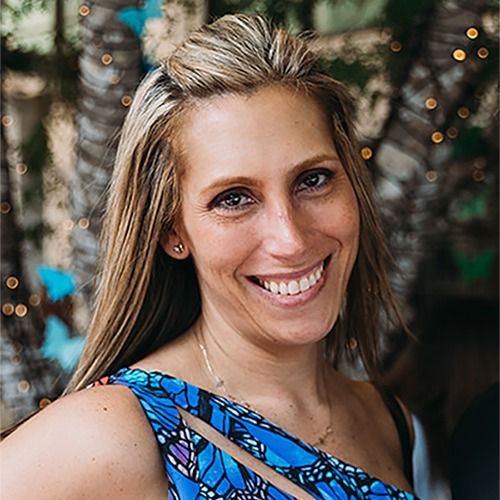
Episode 37: Navigating Complex Systems for Neurodivergent Kids with Michelle Choairy
This is your go-to Podcast, where we help parents navigate the complexities of family life. Hosted by Ali Kessler of Greyson’s Choice, we’ll cover everything from understanding domestic violence to navigating the legal system, finding the right therapists, life hacks, family law, mental health, custody battles, and how to protect children in dangerous situations.
In this episode of Grey Minds Think Alike, we delve into the inspiring journey of Michelle Choairy, an advocate, speaker, and founder of the Thrive framework. Michelle shares her personal story as a mother navigating the challenges of raising a neurodivergent and medically complex child. She discusses the importance of building a supportive medical team, understanding complex systems like schools and insurance, and maintaining self-care. Learn about the Thrive framework and how it has empowered over 100 families, transforming chaos into peace and possibility. Michelle also offers practical advice for parents, emphasizing the importance of trusting your intuition and celebrating small wins. Whether you’re a parent facing similar challenges or simply seeking to understand, this discussion brings invaluable insights and inspiration.
About Michelle Choairy
Michelle Choairy is an advocate, speaker, and founder of the THRIVE Framework, dedicated to empowering parents of neurodivergent and medically complex children. Inspired by her own journey raising a child with unique needs, she helps families navigate IEPs, therapies, and medical systems with clarity and confidence. Through coaching, workshops, and advocacy, Michelle has supported over 100 families, transforming overwhelm into peace, purpose, and empowered parentingmichellechoairy.com
About Ali Kessler
Ali Kessler is a writer, marketing professional, passionate parent advocate, and founder of Greyson’s Choice, a 501(c)(3) created to raise awareness about the risk of domestic abuse on children. Greyson’s Choice was founded by Ali Kessler in memory of her sweet, vibrant, and fearless 4.5-year-old son, Greyson, who was murdered by his biological father in a murder-suicide during an unsupervised, court-approved visit in Ft. Lauderdale, FL, in 2021. This came just hours after her petition for a domestic violence injunction was denied by a Broward County judge, citing that the “petitioner has failed to allege any overt acts by the respondent which would constitute domestic violence under Florida Statute.”
Ali’s advocacy efforts culminated in the successful passage of Greyson’s Law during the 2023 legislative session. This bill now requires the court to consider threats against ex-partners or spouses when making child visitation and custody determinations in the court, expanding to include the following factors: evidence of domestic violence, whether a parent in the past or currently has reasonable cause to believe that they or a minor child is, or has been in imminent danger of becoming the victim of domestic/sexual violence by the other parent, even if no other legal action has been brought or is currently pending in court.
Contact Ali:
Subscribe, donate, listen, learn.
Transcript
Michelle Choairy
Ali Kessler: [:That's why she now helps families build clarity, create strong advocacy plans. And reclaim their role as empowered parents. She has supported over 100 families transforming chaos into peace, purpose, and possibility. Today, Michelle is here to share her wisdom on parenting through challenges, building supportive teams, and finding strength in the face of overwhelming obstacles, something every parent in our Grey minds [00:01:00] community can relate to.
Hi Michelle. Thank you so much for joining us today.
Michelle Choiary: Hi, Ali. Thank you for having me. It's so exciting to
Ali Kessler: be here. Thank you. Absolutely. So Michelle, you've built your mission out of your own lived experiences as a parent. Can you share a little bit about your journey and what led you into advocacy?
Michelle Choiary: Sure.
It's such a long story, but I'll try to make it short enough for No worries. The podcast, I'm just joking. I was a, an older mom when I had my first child, I was 38. It's called a geriatric pregnancy. I was older. FYI what? Oh yeah. It's, after 35 they consider you geriatric, and so it was like, okay, I guess I'll go along with that.
hen they had to go and check [:So I just remember that feeling of he can breathe 'cause he cried. But then that was just the beginning, right? My son now is 11 and through the 11 years that we've had, we started seeing, as he was growing up, we started seeing developmental delays and the milestones weren't coming, and then he wasn't speaking and he was three years old.
There were no words. And so all of these things started happening and you are like, what is happening? In my life because you really like when you know you're pregnant, you have a thought of what it's gonna look like, right? You're gonna have, you're gonna have a child and they're gonna grow and they're gonna play soccer or, and then you're gonna be a soccer mom or a basketball mom, or whatever it is.
with him for many years. We [:And it was like a page long. And we're like, how? How is this happening? And it wasn't until he was eight years old. That we finally got the approval through the insurance company to run a genetic test. And since everything else had been negative before that, when the geneticist called, I was like, oh, it was negative.
It's just actually, no, he has a genetic disorder. And I was like, what? And then your heart just drops, right? It's
Ali Kessler: but at least you knew something. You had an answer, which is helpful.
Michelle Choiary: Yes, exactly. You have two feelings when that happened. I had two feelings when that happened.
do I do? And at the time, he [:It's called TB R 1. And we had to start with all of it, and tried to figure it out. There were a few people who had gone before us, so that was awesome to have some of those people and have that Facebook group that we, that was the only thing really, that you could find on the internet and a couple of old papers explaining what to TBR one was, but there's nothing to this day we still have no research. We have. We have ideas of what the kiddos look like and the types of the spectrum, what they are, but we really don't know. Yeah, so that's the journey and this is how it all started because of him. Yep. And a couple of years ago, I decided that I'm gonna help other parents that are going through what I went through.
e out of thinking to myself, [:Ali Kessler: Right?
Michelle Choiary: It
Ali Kessler: gives you more purpose. Exactly. So what is it that you actually do and tell us about what the Thrive framework is and how you help and who do you
Michelle Choiary: help?
Sure. So it's been a long journey because it all started just, talking to parents, helping them with IEPs. And if you don't know what an IEP is, it's an individualized educational program. That they develop in the school districts for the kids who have disabilities. And so the parents would come and ask me questions.
I've always been the kind of person that will. Dive deep into what I need to dive deep into to help my child. And so through all of that, I started learning. And then I developed this program, it's called Thrive, and it's basically what I used through all those years to be able to become the best advocate that I could for my son.
disability. And now I teach [:So it's crazy to see how bad these IEPs are and how bad school districts are doing that. Sometimes I wanna go and just shake them and tell them, Hey, we gotta do better. And so that's why I stepped into this. Gotcha.
Ali Kessler: So do you work with the parents specifically to get into the schools and deal with the schools?
The process, of dealing with different types of disability?
Michelle Choiary: Yes. The way the school districts are when you have a complex, I like to call them complex kids, when you have a complex kid and I just don't differentiate. When you have one of them up until three years old, the state is the one in charge of your child.
ol district, and when you go [:Speech, occupational therapy and physical therapy. I'm just throwing a few things out there. And so with that, they develop a plan and they develop goals for your child for the year. And this is what the IEP is. So what I do is I look at these IEPs, I come in and a lot of times it's very frustrating for parents because one, they're not trained well enough to develop a good IEP.
Two, they're not implementing the IEP correctly, and three, they're not doing, giving them not even a 10th of what they should be giving to the child and actually helping them progress. So that's when advocates come in. This is when I come in and we're gonna be, and we. We have the IEP meeting with the school district and we talk about it.
inute speech a month. How do [:The advocates are coming in is at a point where the parents have tried to do it right and they're not able to do it because they don't know the law. They are completely emotionally involved in this, right? So it's a hard to separate the emotion in the law. And, talking about it in a way. And so us advocates, we come in and we help them with that.
So that's what I've been doing. So they're supposed to
Ali Kessler: push back.
Michelle Choiary: Yes. And it's always because of quote unquote money. Of course.
Ali Kessler: That's what it is.
Michelle Choiary: So yes, I, they push back a lot.
Ali Kessler: Honestly, it can be anything in life. It all comes down to money. It does.
Michelle Choiary: Yes. You're so right. It doesn't matter what it is, it's all about the money.
Especially when you're dealing with governments and the government and the school districts and insurance companies, which is basically the life of a mother of a complex kid, so right.
Ali Kessler: I [:I don't know that I can
Michelle Choiary: pinpoint one time, but I do remember a period of time when. It was, my son was about three and we were going through the early intervention, through the state, and then they had somebody coming to the house and they did all the therapies in the house and that was great. And then they started pushing me towards getting the diagnosis.
And usually when they're doing this is because they, a child who's not speaking at three, the first thing that they go to is autism. It is the, was gonna say that it's the most diagnosed developmental delay or misdiagnosed. Exactly. Or misdiagnosed diagnosis out there. And so they started pushing me.
that it actually, the light [:He was three. He was bouncing off the walls, there was, there were no toys in the room. 45 minutes. And then he comes in, looks at my son. He does this. My son doesn't go with him. He looks at him and he goes, the diagnosis is autism, and the reason is because I did this and he didn't come.
And autism is like the flu. So if you have a sore throat, then you say that you have the flu. If you have, sinus infection, then you have the flu. So autism is like the flu. And I remember walking out of that room and I was like. I didn't know if I cried. I didn't know if I would laugh at this guy because it was five minutes of him looking at my child and saying, this is what he has.
I would take him to, and we [:He is 11. Okay. Okay. He's in sixth grade and he does go to a special school. It's called a non-public school in the state of California. Because the school district wasn't do what they were supposed to do at the time. So we pulled him and we put him somewhere else. Yeah. But that's when, but I think that, that's when you start seeing.
This pattern of people trying to say that you're crazy 'cause you're thinking that there's something else, or that they're pushing you into a diagnosis that you know that it doesn't fit, right? That's when I think you have to step up and be mama bear. The bear comes out and you guys just shut up and I'm gonna, I'm gonna figure this out.
Ali Kessler: So what [:Michelle Choiary: I, there's some, there's a thing that is very real and it's called the Mama Gut. So if you feel it inside of you and you think that there's something, an assessment or going in to see somebody is gonna give you two things.
One is either they're gonna tell you're crazy and then you say, you know what? Good, I'm glad that I can let that guilt and that worry go. Or you're gonna be like, okay, there's something. Okay, what are we gonna do about it? So there's a 50 50 chance of, knowing what it's, and so then the next step is you're gonna go and you're gonna do what it is that you need to do.
So follow the Mama gut. That is the very first thing. Follow it and go see somebody about it. We'll try to figure it out. And don't let them push you around. Don't let them just say is, oh, you're crazy. So is that doctor or who did they
Ali Kessler: go to first? Is it the
Michelle Choiary: school doctors? You So the, I think that it depends, right?
your first line is gonna be [:Okay? And these are the pediatricians that go on to get fellowship or they do extra, extra years of learning. About developmental delays and about A DHD, and they are the ones that are they're super hard to get in. There's usually a wait list of six months to a year in certain places, but they are the ones that are going to open the doors for you to figure out what it is that's going on.
ng in his life? For us was a [:He wasn't speaking. He grunted. He didn't have, he couldn't say mama, he couldn't say dad. And we're like, okay. Speech is where we're going. So we went to a speech therapist, so we didn't wait for that developmental pediatrician to come back and say, oh, he has a speech disorder. You already know.
So went to the speech therapist. Yeah. So you gotta look at what the dis disability, quot unquote is, what your child is lacking at the time, and that you think is the most important thing. And then you attack that as you put your name down, your child's name down for a developmental pediatrician.
Ali Kessler: Gotcha.
Now, what would you say to parents, how can they prepare themselves when they have these conversations with the meetings that they need to, with the doctors, with the schools especially, what should they prepare?
Michelle Choiary: So I feel like with the doctors is a little bit different because you are looking into a medical diagnosis, right?
minutes to two hours. [:What did you, what was, when did they walk, when did they talk? When you know, and they're gonna unpack that whole thing. And then they're gonna look at it and they're gonna say, we need to do some assessments. So let me send you to an educational psychologist who's going to assess, let's send you to get an autism diagnosis from a psychologist who knows how to do.
What, the correct tests for this. So when you're going into the doctor's office and even in the schools also in the beginning, just have all that information. Have, when they walked, when they talked, what are your biggest, you check a journal concerns? Yes. I, to this day, so my son is 11 years old.
? When did he start walking? [:'Cause you will get asked those questions. Now with the school district, it's a little bit different because you are not, the school districts don't follow necessarily a medical diagnosis, so they are going to do their own assessments. So you go in and you, when they're three years old, if you are in the early, in, early childhood stuff through your through your state, they usually do, they usually help you transition into the school district.
or if your child is very, in [:We'll do a screener for some kind of a writing disorder, or we'll do a screener. Screeners are nothing but just a couple of questions that you're gonna answer, and they are not actually doing an assessment. When they do an assessment, they are going to. Sit down with the child, you're gonna get a packet of information.
You're gonna have to fill everything out, and then they are going to try to do certain things. They're gonna test your child. So the most important thing for a mom who's just starting this is to make sure that the school district is doing a full assessment around your child. And that's gonna include writing, reading, speech everything that you can.
There's eight areas actually. Make sure that the full assessment is being done. That's what you need.
same thing for really small [:Michelle Choiary: Yes. So at three years old, they will do a full assessment, but they do assessments in a different way.
So even if they're not reading, they can still match shapes or they can tell therapy color. Yes, exactly. Yeah. And all of these assessments, they are age appropriate. So they will say, I'm gonna, I'm gonna do the whatever, wexler or whatever it's called, the assessment. And I'm gonna start with this one.
And he's three, so we're gonna use the three to six or the zero to three. They have to make that decision, but they are age appropriate. All of the assessments
Ali Kessler: are, now, how do you explain this to your child? Do they think that something is wrong with them? Do they think they're different or they did maybe don't even know any better.
So for a long time,
for us was, you know how you [:We also have different brains. So what's inside our brain is different. So you have a different brain. I have a different brain. And so because of that, because of the way that your brain is, you have, a little bit harder time speaking or and you use those to assimilate to help them understand.
ent. Sure. Yeah. That's what [:Ali Kessler: That's good. Now did
Michelle Choiary: this affect
Ali Kessler: maybe your marriage?
Michelle Choiary: What doesn't affect marriages. But yes, like this is a big one with marriage. Yeah. It's hard. It's I think marriage is hard as it is when you don't have a complex kid. When you throw that in the mix, then you know you really, communication has to be number one, like the biggest things.
Communication. Did you guys
Ali Kessler: Agree on the treatment and then the protocols? Did you have, one? No. Okay. So what do you do to get maybe the other partner to come on board and do these steps? Because sometimes, they just. Don't know.
Michelle Choiary: Yes. They don't know. Yes. And that's why one of the things that I like to do, and we started in the beginning, I was the mom.
I would just take care of everything. Sure. I was the one that would do make the appointments. I would go into the appointments. I, it was all me. And I was. You have to come with because you have to understand what it is that's going on. You have to listen to what the therapists are telling me.
hat one of the hardest parts [:Mom has there's always one parent
Ali Kessler: that's around the child more, right? There's always one that, yes. Around. And a lot of our listeners come from divorced, so they may have a child, but they don't live together. So it's also about getting, exes on board with something, especially if they don't live with them full time.
And so I'm just curious, like, how do you get both parents on board to treat that child?
Michelle Choiary: The conversations like the doctor's appointments are not optional. That's not optional.
Ali Kessler: So both parents should go together. You have to be there together. Together.
Michelle Choiary: Yes. And if you can't go, so one thing that we've done was if one can go but the other one can't be there, FaceTime 'em.
ning. And I think that, just [:But I feel like at the time that we had to do this, we had to be adults about it. And we had to say, this is about. Drake for us. That's my son's name. It's about him. And so we're gonna have to come together and we're gonna have to figure this out. But if you are the only one going to appointments, if you're the only one listening to what the doctors are telling you, it's gonna come across as you're just gonna hit butt heads because the other doesn't.
r you're just trying to make [:There's. Always. And so being there for the child is the most important thing, and putting aside your feelings for each other.
Ali Kessler: I know for me my, when my son was very young, he had just sleep issues. This is just fundamental. And I know I was talking to different doctors and sleep consultants and whatnot, and we were trying to follow a specific schedule and routine and whatnot.
And then when he'd go to his dad. His dad didn't follow that same routine, so it just made everything worse. And getting, the other parent on board with following the same protocols, especially when you don't communicate well with the other parent, is probably very debilitating for the child as well.
So I know Sure firsthand that this. Especially with when it comes to their developmental education and school, this can get very difficult, fast. So it is good that the school step in and make it more of, a real issue and not just, he's, he said, she said. Yes, I guess when should someone contact someone like you and what exactly is your title?
So I am.
Michelle Choiary: I am [:So usually they're gonna contact me when they are feeling lost, when they just can't find that light at the end of the tunnel and when the school is pushing back. On them. And we also, because of my medical background, I do medical sales. That's my day job. I work for a big orthopedic company and so because of my medical background, I also help them with insurance.
but usually parents who are [:And sometimes I even still like. We, I still look at it and I go, oh my gosh, how are am I going to get through this day today? Or how am I gonna get through this week? And so parents who are overwhelmed, that's usually what they look for me, and then I can help them, okay, how do we organize the life of your child?
na, like that neurologist. I [:So that's a. Big, that's the h the are relationships and that's, we talked about this, which is marriages and friends and family and more of that, those, close relationships that we have. And then you have the I, which is integration is talking like, you gotta take care of yourself as a mother.
Sure. And as a father, if you don't take, if you're not well, your child's not gonna be well. So we talk about how do we do this in a, in the chaotic life of, therapies, school meetings, insurance information, like how do you do that to take care of yourself? It's a lot.
Yeah, it's
a lot. And then you go into the V, which I love, which is validations.
thing about parents who have [:And the E is, you expect the miracle to happen because if you're doing all these things, the miracle's gonna come. Like you are going to look at your child in a whole different way, and you are going to see that everything that you've been doing is for them. But you didn't forget about yourself in the process.
So that is what I do. I help them get to this point, and then if they need a little extra, he help with the school districts, then I will come in and I'll step in as an advocate. And also for this, the insurances.
Ali Kessler: Got it. And I'm sure, community helps a lot. ESP or like Facebook groups and finding other parents that are going through something similar so you can bounce, ideas back or at least vent.
o you deal specifically with [:Michelle Choiary: Around the country? We have parents from all over you. You mentioned a Facebook group. We do have a Facebook group that's called Thrive and we in there we talk about, how do you take care of yourself, what can you do or how, how does an IEP meeting look like? How can you prepare for an IEP? How can you get more speech therapy services through the school district? We go through a lot of that part of being a mother of a complex kid, so we do a lot of that in the Facebook group. And then if you join the group, if you join my program, we also have twice a month.
We do an open questions and answer and they're able to just contact me and we just for an hour or two, depending on how many questions we have, I answer and I help them become the advocates and not me actually doing the advocating for them.
listening right now who may [:Breathe. Breathe.
Michelle Choiary: Take a deep breath. And then tackle one thing at a time, right? Sometimes day by day, us parents wanna take, we wanna fix it, right? We look at a whole, and then you freeze because you don't know where to go. There's so much to do. You freeze. You can't take action one day at a time, at one issue at a time, and take care of yourself, because if you're not well, your child's not gonna be well.
So those are the. I think I gave you two there.
Ali Kessler: Yeah. No I'll take most
Michelle Choiary: important things. The two most
Ali Kessler: important things that you can do. So how do you balance being both a fierce advocate for your child and maintaining your role as a parent?
Michelle Choiary: I try to take care of myself, so I do Pilates.
I go at five 30 in the morning because, okay I have this mom guilt of going after work because that's the time when my kids are at home.
Ali Kessler: Right.
time. I also take time away [:Like they're still asleep and I can still do certain things and I can read a book as I'm riding, a bike at the gym or something to that nature and. I wanna say one more thing, and I think that this really was probably one of the biggest things for me, was finding moms that actually understand what it is that you're going through.
eople that are going through [:Sure. Than it's with somebody who they might mean. Best, for you, like intention. Yeah. They want the best for you but they'll never understand. Just cannot, they'll never understand. Sense finding makes sense. Your tribe, finding your tribe
Ali Kessler: is how
Michelle Choiary: I
Ali Kessler: balanced all of this, right? No, I go through the same thing.
I lost a child, so Yes. I have Oh, I'm sorry. Parents that, you know. Say, I'm so sorry. I can't imagine. But then, they don't really know, what I go through on a daily basis. So it does help. To connect with like-minded parents for anything really. Yes. Yes. Makes so, okay.
It makes a difference. Can:Michelle Choiary: can people get in touch with you? So Michelle Choairy.com or you can also go on wisdom number four complex kids.com. And I'm on social media. We post, we have a lot of questions and answers throughout the day on, on social media. I'm not hard to find, so Michelle, which is a hard one or was the before,
Ali Kessler: perfect. I'll put
rs like a free call with me. [:Okay. And then we come up with a 30 or 60 days, it's free. And I just tell them, Hey. This is what I think that you should do as your next couple steps because I think sometimes it's so obscure and you're like, you're in the weeds. You're in the middle of it, that it's hard to look and be objective.
So your listeners are welcome to book that call with me and I would love to have them and talk to them. Yeah.
Ali Kessler: Great. I'm sure they'll appreciate that. Yes. Michelle, thank you so much for sharing your powerful insights with us today. Your work reminds us that, even in the most overwhelming systems, whether it's schools, courts, medical settings, parents can reclaim their voices and stand strong for their children.
So thank you so much. Thank you, Ali. Thanks for having me. Absolutely. Alright, we'll be in touch. Thank you. Okay, thanks.