Episode 47
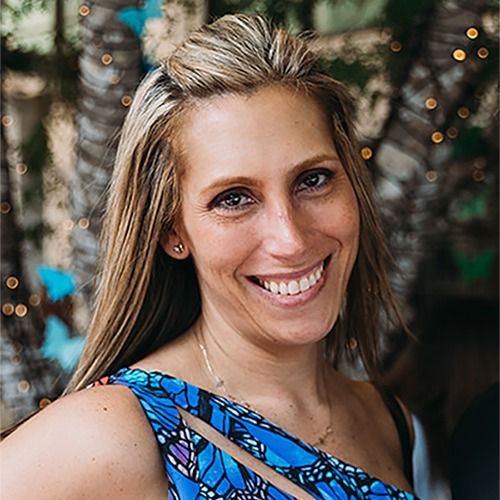
Episode 47: Divorcing Dads, Men’s Mental Health & Suicide Prevention with Dr. Eran Magen
This is your go-to Podcast, where we help parents navigate the complexities of family life. Hosted by Ali Kessler of Greyson’s Choice, we’ll cover everything from understanding domestic violence to navigating the legal system, finding the right therapists, life hacks, family law, mental health, custody battles, and how to protect children in dangerous situations.
About Dr. Eran Magen
Dr. Eran Magen earned his M.A. in Education and Ph.D. in Psychology from Stanford University and completed post-doctoral training in child psychology and population health. He currently serves as an Assistant Clinical Professor in the Department of Psychiatry at the Yale School of Medicine.
Dr. Magen is the founder of ParentingForHumans.com and DivorcingDads.org, platforms dedicated to helping parents build strong, collaborative, and emotionally healthy relationships with their children—especially during and after divorce. He is also the founder of EarlyAlert, a suicide prevention initiative serving students and veterans.
With a special focus on men’s mental health, parenting, divorce, and suicide prevention, Dr. Magen devotes his work to supporting populations at heightened risk, including divorced fathers—who face significantly higher suicide rates. His work centers on connection, prevention, and ensuring that no parent faces these challenges alone.
About Ali Kessler
Ali Kessler is a writer, marketing professional, passionate parent advocate, and founder of Greyson’s Choice, a 501(c)(3) created to raise awareness about the risk of domestic abuse on children. Greyson’s Choice was founded by Ali Kessler in memory of her sweet, vibrant, and fearless 4.5-year-old son, Greyson, who was murdered by his biological father in a murder-suicide during an unsupervised, court-approved visit in Ft. Lauderdale, FL, in 2021. This came just hours after her petition for a domestic violence injunction was denied by a Broward County judge, citing that the “petitioner has failed to allege any overt acts by the respondent which would constitute domestic violence under Florida Statute.”
Ali’s advocacy efforts culminated in the successful passage of Greyson’s Law during the 2023 legislative session. This bill now requires the court to consider threats against ex-partners or spouses when making child visitation and custody determinations in the court, expanding to include the following factors: evidence of domestic violence, whether a parent in the past or currently has reasonable cause to believe that they or a minor child is, or has been in imminent danger of becoming the victim of domestic/sexual violence by the other parent, even if no other legal action has been brought or is currently pending in court.
Contact Ali:
Subscribe, donate, listen, learn.
Transcript
Welcome back to Grey Minds Think Alike, where we dive deep into the conversations that matter most with experts who enlighten, inspire, and empower. Today's conversation is important and often overlooked. We're talking about men's mental health, parenting through divorce, and suicide prevention, especially in the context of family court, separation and the silent struggles many fathers face. I'm honored today to be joined by Dr. Iran McGinn, a psychologist, professor at Yale School of Medicine, and founder of multiple initiatives focusing on supporting parents and saving lives. Dr. McGinn brings both deep clinical expertise and real-world compassion to conversations about divorce, co-parenting, and why community and connection can literally be life-saving. So this is a powerful conversations for parents, advocates, professionals and anyone navigating family systems that are often deeply broken.
So hello, thank you for joining us, welcome.
Eran Magen (:My pleasure. Thank you. Thanks very much for inviting me.
Ali Kessler (:Yeah, absolutely. So I guess you've been busy, you know, with all that you do. So I guess, you know, you've worked at the intersection of psychology, education, public health. What first drew you to focusing on parenting and divorce specifically?
Eran Magen (:Well, there are two separate stories really. I've been very interested in general in how people support people. know, when somebody had a bad day, how do you help? Ever since I was in graduate school. And that got me interested also more broadly in supportive relationships and then just in relationships. How do people form good, supportive, strong, collaborative relationships? And from there to parenting was a very short step.
These are the most important relationships in our lives, our relationships with our parents and then our relationships with our kids. And how can parents build strong, supportive, collaborative relationships with their kids has just been a topic of fascination for over a decade for me now, well over a decade actually. So I've been working on parenting and with parents for a while. And then I started my company, which does completely
different work on suicide prevention, primarily with universities and more recently with the federal government through the Department of Veterans Affairs. And along the way, maybe seven years ago, no, yeah, a little over seven years ago, I went through my own separation process from my child's mother. And it was tough for me for a while and I leaned a lot on my friends. And as I was going through it, was
Ali Kessler (:Right?
Eran Magen (:taking little notes about what works and what is not working for me. And later on, once I came out of it and was feeling better and recovered, I started looking into this and just learned the really shocking statistics about the suicide risk for men going through divorce, fathers going through divorce and separation. And it just.
Ali Kessler (:Why do you think it's significantly higher for divorced men as opposed to non-divorced?
Eran Magen (:That's great question. So first, just to put it in perspective, divorced men are at twice the suicide risk of any other man, which puts them at a suicide risk of about eight times that of women.
Ali Kessler (:Okay.
Ali Kessler (:Is that between a single man or a married man? Okay, any other man that, any other man, okay.
Eran Magen (:Any. And what makes it worse for them? think so. I don't have a for sure answer. have, you know, my mostly my sense and intuition. I was not able to find great research on the reasons why there's some correlation based research, but nothing, you know.
decisive. I think that men in the US in particular, where a lot of this research and statistics are coming from, don't form a ton of social connections outside of their family. Deep, meaningful, supportive connections. I think they're more likely to form them when they're not married or in a significant committed relationship, right? Because then they have people that they spend time with and they're more connected to their family and so on. But once men get married, they tend to focus a lot of their emotional relational energy
in the family, so on their spouse, their partner, and then on their kids, and spend less and less time and have less and less deep relationships with people outside. And so once that relationship goes away, right, is removed from their lives, they're left kind of in free fall. I think that's one part of it. I think another part of it is that when a separation or a divorce happens, there's an important question about how
Ali Kessler (:Right.
Eran Magen (:prepared is the support network of the person going through the separation. Whereas women on average will tend to stay more up to date, disclose more, have deeper, more supportive relationships with their networks. Men don't. And so by the time that this comes, the support network for women on average is activated already when this really significant stressor challenge is happening.
Ali Kessler (:Okay.
Ali Kessler (:Right. More support, right.
Eran Magen (:And for men, not so much because they tend to shy away from sharing this. They feel shame around it. They are not comfortable disclosing it. And so even as they're going through it, many people in their lives have no idea that this is even happening, which leads to more isolation. So the very short version of the answer is social connection. Men are less socially connected than women on average.
Ali Kessler (:Okay, I mean, that's true. But what about with children? Does that factor anything in if they have children? Is that statistics still the same?
Eran Magen (:I have not been able to find a separate statistic for suicide risk for fathers divorcing versus for men divorcing in general. So I don't know. The statistics that I do know about this is one, well, five times out of six, custody or primary custody will go to the mother rather than the father. There's a lot mixed in there. There are many fathers that don't want custody.
Right? Many fathers that are comfortable walking away. But there are also many that are not and that want custody a lot and don't have it. And that, you know, for someone who, let's imagine the kind of prototypical average man who doesn't have a lot of connections and is very emotionally invested in his family and not much else. Right? Then you take away the children or restrict access that
Ali Kessler (:Yeah.
Eran Magen (:leaves them feeling more isolated than before. A lot of negative messaging can come in and again, sometimes it's justified and sometimes it's not. But the messaging that comes with being denied access to your child is very, very hard for people who believe that they should not be denied access to their child who they love and want to support and want to be involved with and part of their life. it's easy to see how this would add to the kind of stress and distress.
that happens as part of separation.
Ali Kessler (:Right. So what are the most emotionally damaging aspects of divorce for fathers, do you think?
Ali Kessler (:besides not having access because most do, especially here in Florida, it's a 50-50 state.
Eran Magen (:I think that...
Ali Kessler (:just not having a two-person household. But then again, many people remarry, so I don't know if that's true.
Eran Magen (:I think that with every kind of loss and with every kind of grief, the thing that causes the most distress is the thoughts about how it could have been if it were different. And of course it's not different and it is the way that it is. the more time we spend on how it could have been or should have been, the more upsetting it gets. And part of the process of healing is learning to not constantly think about how it could have been.
I think divorce and separation works in exactly the same way like any other kind of significant loss. I think for men, again, who have less social connections around them, it's such a severe disruption of life. It's often accompanied by such negative messaging from the ex. I mean, people do this to each other, right? It's not...
It's not something that only men experience. But men have a lot less support, emotional support available to them as they go through this process. I think that's really significant. I think there's a real fear of yes.
disappearing from the child's life or fading out of the child's life, feeling unprepared to be a single parent, which is what it is at the beginning, even if people later on remarry or repartner, what have you. There's a period where you're a single parent part of the time. And for a lot of men, that's just stressful to the point of overwhelming. And even thinking about how that's a reason I imagine, but I don't know that many men cede primary custody because they kind of assume that they won't be able to handle it.
Ali Kessler (:I'm gonna go on a little tangent here. have talking points, but I just wanna shortly discuss. My situation was a little bit unique. My son's father did kill himself, but he also killed my son. And he had a big support system. And I'm just curious, when a man feels maybe that powerless or...
Eran Magen (:Yeah.
Ali Kessler (:however you feel, what are some things that they should do? Like what are some red flags before tragedy happens?
Eran Magen (:Yeah. So first of all, I'm really sorry this happened. I mean, I can't imagine a worse thing happening, you know, someone hurting or killing my child.
Ali Kessler (:There isn't.
Ali Kessler (:Yep. But then he killed himself too. So yeah, it was really just to hurt me, not even himself.
Eran Magen (:Yeah, I can't even pretend to understand your experience going through it or his experience going through it. But any way I look at it, it's awful. It's terrible.
disaster. It's a catastrophe. mean, it's the worst, the worst thing that can happen. Literally, there's no words for that.
Ali Kessler (:Right. So what do think men can do when they're that overwhelmed or obviously mental health issues come into play with my situation, but maybe just, you know, someone, you know, a man father that is just really overwhelmed or depressed. And what do you, what do you suggest?
Eran Magen (:Yeah.
Eran Magen (:A few things. So at an acute level, at a right now level, right, if somebody is very upset right now, you pick up the phone and you call 988. Right? 988 is a national free service paid for by your tax dollars. It's free, confidential, 24 seven, counts.
Ali Kessler (:Okay.
Ali Kessler (:That what hotline is that for? National suicide?
Eran Magen (:the National Suicide Prevention Lifeline. And you'll get somebody to talk to. You don't have to be suicidal. You can be just really upset and need someone to talk to. You dial 988. It's an amazing service. If you know somebody and you're worried about them being in some kind of crisis, pick up the phone, call 988, and they'll help you figure out what to do next and how to approach them and how to talk with them. Right? It's, I would say bar none, the most important three numbers. Well, really two digits, just
Ali Kessler (:prevention. Okay.
Ali Kessler (:Okay.
Eran Magen (:Repeat the last one for anyone to know. 988. All the time, everywhere. So that's at an acute level. In terms of in general, things that people can do to help themselves be better. One is talk to people, right? Talk and connect with as many people as and talk with them honestly. And most people don't have 20 best friends with whom they can share everything. But it's good to have one or two or three with whom you can do it, whether it's
Ali Kessler (:Okay.
Eran Magen (:friends or family. If you're going through something that feels significant, if you're going through a major life event, divorce and separation certainly counts as one of those.
connect with therapy. If you don't know where to connect with therapy, you can start by Googling something like therapist near me. You can go on psychologytoday.com. You can go to services that do it remotely like betterhelp.com. I'm not affiliated with them and I can't attest to the quality of their service, but there are multiple services like that that will connect you with a therapist. You can call 211. These are
Ali Kessler (:Right, right.
Eran Magen (:That's another good number to remember. That works in every state. It connects you to folks who can direct you to other resources in the state. It's also a free service, also paid for by your tax dollars. So 2-1-1 is another good place to connect with. But it starts with talking with people, having friends and people that you can talk to. If you don't know anybody, then getting to know somebody is a good idea, or calling somebody that you even used to know and say, like, could use a friend right now, or calling a family member.
Ali Kessler (:Okay.
Ali Kessler (:Right.
Eran Magen (:So connecting with people is super, super important. I hope this doesn't sound like too much like a plug, but it's a free service. You can go to my website, divorcingdads.org.
Ali Kessler (:Well, that was my next thing where we saying you founded divorcingdads.org to provide a community. So do you believe in communities and groups and support systems like that?
Eran Magen (:exactly for this purpose.
Yeah, yeah, to create a community to create opportunities to talk with people to have resources is just explain things that would be helpful for you to know, like, what do I do when I can't fall asleep or if I'm worried that my, you know, exes say mean things about me to the kids and how do I handle this and so on. But the whole point is to give parents, father specifically tools to deal with this process of separation, but to take care of themselves while while they're doing it, stay connected to their kids and co-parent.
effectively just lower the intensity. But back to your console, what kind of tools? Just on the website.
Ali Kessler (:So what kind of tools do you provide?
Ali Kessler (:Yeah, in general for fathers or whatnot too.
Eran Magen (:well, there's a little bit of everything. There's a podcast that I do where I interview dads going through divorce, right? As they go through the process and we talk about the wins and the challenges and all of that. That's something that I think is just so helpful to have. Because when you're at the start, you're in week two, it just looks horrible. Like nothing's ever going to improve and it's just going to be bad forever. And so to hear the story of someone
Ali Kessler (:Okay.
Eran Magen (:as they go through their first, you know, one or two or three years and seeing that there's a light at the end of the tunnel is just so helpful to be able to connect with that. So there's the podcast, Divorcing Dads. There are videos where I talk about different scenarios, just things that come up and happen and how to deal with them. Some articles around the same things. The content is organized around four pillars. One is dealing with kind of custody and legal stuff.
Ali Kessler (:Okay.
Eran Magen (:how to be able to have that in your life and not get totally overwhelmed. Number two is how to parent, right? When you're single parenting, right? Because like you need to figure out how to like make meals for your kids, but also how to work with them on stuff like homework and figuring out where you're gonna go trips and how do you schedule play dates and all these things that nobody teaches us, but some people magically know and other people turns out figured out.
So legal and custody, parenting, co-parenting, right? Just how to communicate with your co-parent and how to do that effectively to the benefit of your kid. And then lastly, number four is just how to enjoy your own life, which is a big challenge for a lot of people that separated and often don't feel like they deserve to feel good or should not feel good when they're not near their kids because it should be all about the kids and it should be all about the kids, I agree, but we should.
Ali Kessler (:Right.
Eran Magen (:We also get to feel good when we're not near our kids. think that's also really important. So these are the four kind of organizing themes of the topics and the resources.
Ali Kessler (:Absolutely.
Ali Kessler (:Okay. Now, what do you teach at Yale?
Eran Magen (:At Yale, totally separate Yale, work in the psychiatry department. I work with your psychiatry residents.
Ali Kessler (:Yeah. Okay. Well, that's not, that's not separate because a lot of what that is, is all mental health, really. Right.
Eran Magen (:Well, everything's connected for sure. I mean, I can, I can find the threads in my life, but I don't work there with anything related to this particular content. But I worked with the psychiatry residents there and essentially run a support group for the psychiatry residents because things were not easy for them. Uh, cause they're going through their training and so supporting them as they're going through it.
Ali Kessler (:Yeah, I can imagine.
Okay, so who should come find you on your website? Just fathers? Gonna be not fathers?
Eran Magen (:It can be not fathers too. certainly father, certainly father's going through divorce. That's kind of the, you know, yeah, the front and center. A lot of the content applies to single mothers or mothers going through separation, but I just, don't want to pretend. I don't know what it's like. I haven't been a mother going through separation. So if people find something there that's useful by all means, and if not, then I understand. People who have divorcing dads in their lives.
Ali Kessler (:main. Yep.
Eran Magen (:can find a lot of useful things there as well, right? Because that's really, it's so critical to have people that want to check in on you and see how you're doing because a big part of the problem is that, again, men in particular on average tend to withdraw when they feel bad, right? And need somebody or would benefit enormously from somebody checking in with them. It takes real effort and fear in this kind of withdrawal mode. It takes real effort to reach out to people, but it takes very little effort to respond to people who are checking in on us.
So much easier when someone else initiates it. And so if you are someone who cares for, or is friends with, or cares about a divorcing dad, the resources there can also be useful.
Ali Kessler (:that's great. And what type of, I guess, people do you have on your podcast? Just experts in the field? Are they doctors? Are they psychiatrists?
Eran Magen (:Well, they're all kinds of people, but the common theme is that they're all divorcing dads. Like we're talking about their actual experience in real time. Yeah, yeah. Yeah, this is not like, you know, couch quarterbacking. This is like actual people going through it, talking about what's happening, what feels like they're not able to handle it, what they are able to handle, how their kids are doing, what they're thinking about doing with their kids.
Ali Kessler (:They're all divorcing dads. Okay. Okay. So it's real life experience. Gotcha.
Ali Kessler (:Right.
Okay.
Ali Kessler (:Right. So are there like group chats where you can like have a specific time where you all join?
Eran Magen (:Yeah, so through the website, if you join the community there, you're welcome to join. There's like a drop in group. It's not, there's no commitment, but you can come in and chat with other people going through a similar experience. The vision is to set up kind of a buddy system where you have like a big sip little, right? Where you can pair somebody in month two of this as like the world is falling apart with somebody who's maybe four years in and remember.
Ali Kessler (:Gotcha.
Ali Kessler (:Right.
Ali Kessler (:Alright.
Ali Kessler (:Right, like an AA, you have your sponsor type. Okay, cool. Yeah, I like that. And now what are some warning signs that maybe loved ones or co-parents or professionals can be aware of that when a father may be struggling silently?
Eran Magen (:Exactly.
Eran Magen (:Yeah. So if this is a father going through a divorce or separation, you don't need any more warning signs. That's a warning sign. Right. So as soon as that happens, just let's say you're friends with somebody and they tell you that they're going through a divorce. Just put it in your calendar to call them. Right. Every Wednesday at 6 p.m. or whenever. Right. Or twice a week would be nice too.
Ali Kessler (:Right, because it's stressful no matter what.
Ali Kessler (:Right.
Eran Magen (:and just check in regularly and they'll say fine, fine, no problem, no problem, fine. And then one week you'll talk with them and they'll share stuff that's happening. Right? And it's not that you have to provide all the answers. We can, we can talk about the separately, like how to support a divorcing dad who's not doing well. But in terms of a warning sign, you really don't need much more of a warning sign than knowing somebody's going through it. It's an unbelievable.
Ali Kessler (:Right. So how do you support besides giving them the tools to your website? Do you maybe just do, you know, have a coffee date or go out for a beer or dinner, you know, every so often or do a guys night out, stuff like that?
Eran Magen (:Okay, so now from the perspective of the person supporting a divorcing dad, now for you, support person, it's important to remember it's not all on you, right? You should not be the sole source of support. You should not be shouldering all of the burden. If it ever feels like that's happening, that means something's wrong and you need to bring in more support somehow. And you can do this by suggesting to the other person to connect with a therapist or a 9-8-8 or...
Ali Kessler (:Right, right.
Eran Magen (:Go to divorcingdads.org and join a support group there or something like that, but like start expanding the circle. Don't be the only one giving support. I was taught early, early on in clinical training that when you feel like the walls are closing in on you and it's only you helping the other person, the first thing to do is just expand the room, bring in more support. Yeah, yeah, huge. And so that's number one, as a support person, you have to take care of yourself, right? You cannot.
Ali Kessler (:Thank
Ali Kessler (:Right.
Ali Kessler (:That's a big burden.
Eran Magen (:be like, now I have to call this guy again and listen to him talk for five hours about these things and drive over to his place in the woods. No, that should not be the vibe. So number one, take care of yourself in terms of how to help the other person, how to help the divorced dad. One, know, people going through something really distressing need different things at different times, right? So sometimes they'll just need to hang out and not think about what they're going through. And sometimes they'll need to talk a lot about what they're going through. Right. And that's all fair.
Ali Kessler (:Right.
Eran Magen (:So just be prepared to either dive in or not dive in and kind of follow their lead on this. It's okay to ask clearly, how are you doing with the divorce? How is that feeling? know, I remember you told me that, you you had the court date or had to file the thing. Like, how did that go? Like ask and then follow their lead in terms of whether or not to go deep into it. You don't need to interrogate them. If they need to talk, they'll talk. That's one.
Ali Kessler (:Right.
Eran Magen (:It's usually not helpful to attack the X. It kind of puts the person you're trying to support in an awkward position, sometimes of trying to now defend, justify the X or just go with you and then they just get more and more upset. So there's no need to attack the X.
Ali Kessler (:Well, that's what's so difficult though when people go through divorce. They have bitterness, they have anger. So the divorcees attack each other perhaps, but I think if you're supporting someone, it is important to sort of get them away from that, especially if there are children involved because obviously you don't want the children to pick up on that animosity. So I think I agree that if it's any kind of ex-bashing,
you need to change that line of thinking for your friend or loved one.
Eran Magen (:You know, I'm more of a follower when it comes to conversating and supporting through conversation. Like if they're angry at their ex and they have lots of things to say, then I'll listen for sure. And I'm not going to try to defend the ex either, Right, right. But I'm not going to feed the...
Ali Kessler (:Right. Well, venting is one thing, but...
Ali Kessler (:Fuel the
Eran Magen (:Fuel the fire, thank you. I'm not gonna feed it even more and try to get them like even more hyped up and so on. Attacking the ex just doesn't do anybody any good. Understanding the other person's frustration and anger, But fueling the fire, not necessarily helpful. And then, especially if this person going through divorces is a parent, reminding them about the kids and asking often, like, what do you think would be best for your kids here? I think is...
super important because when we're upset, it's hard to think long-term. It's hard to think bigger picture. It's hard to see beyond the immediate, right? And so when your divorcing friend tells you, and then she called me and she says that the kid has to be back by 5 p.m. and she never brings him on time. And now she's like, make a big deal of it because he a piano lesson at 5.30. You're like, okay, setting aside what she does and how our, what would be best for your kid in this situation, your opinion?
And then they're like, I guess not missing their piano lesson. Like that can help. So just asking what would be best for your kids here is a really nice reorienter.
Ali Kessler (:Well, if only it was that easy.
Eran Magen (:It's a start, right? It's what we can do just to help people just shift a little bit outside of just like their anger or frustration or overwhelmiveness or sometimes even sadness and say what would be best for your kid and along the same lines actually reminding people to take care of themselves, right? To say like, well, like what would improve your life right now, right? What would be a fun thing to plan?
And I guess looping back something you said before, right, because I mentioned, you know, set it in your calendar. Once you hear somebody's going through a divorce, just like every Wednesday at six, call them. And you said, do you want to arrange for like a buddy night out or whatever? I think that setting a regular time to talk and ideally to meet in person, if you're nearby, is so important. And what happens during that time? It can be different things, right? Maybe you go out someplace and do something, or maybe you sit at your place and play a game, or maybe you talk or...
Ali Kessler (:Right.
Eran Magen (:Whatever it is, but just to know that every Wednesday at six, you're meeting that person or talking with that person. Yeah. Yeah. And creating a maintaining connection with humanity. For many people, maybe they go to work, pretend everything's fine, go home, talk to nobody. Right. And so just to have this kind of regular contact with somebody who cares is so, so important and literally scheduling.
Ali Kessler (:it gives them something to sort of look forward to.
Ali Kessler (:Right.
Ali Kessler (:Yeah, I mean, I know that there's a loneliness epidemic, especially with single parents. you know, like you said, having that outreach is super important.
Eran Magen (:Yeah, yeah. Be the person that checks in. You everybody's going to check in the first two weeks and then then the phones go silent. You know, the person. Exactly.
Ali Kessler (:Right.
It's kind of like with grief too. I lost pretty much all of my friends after my son died.
Eran Magen (:They checked in for a bit and then they dropped off. didn't.
Eran Magen (:Yeah, they forget. Yeah.
Eran Magen (:I can, I'm not, well, I can, yeah, I'll tell you and then you, you decide how relevant that sounds, to, this topic. The, the main thing that's relevant here is this driving principle of checking in proactively, right? Not waiting for the warning flags, not wait, but checking in, order to pick up on things early. So in the case of early alerts, specifically, the concept is really simple. We, started in medical schools, right? There's a lot of suicide in medical schools. A lot. Yeah. Yeah. And in the medical.
Ali Kessler (:Really? Just because of stress?
Eran Magen (:Well, that's a big question, the why, right? So in the medical profession in general, there's a lot of suicide. And it's been trickling down, residency and then med schools. And there are many thoughts about what might be causing it. I would say the top contenders are, these are often extremely driven people who...
Ali Kessler (:Interesting.
Ali Kessler (:Right.
Eran Magen (:are not accustomed to dealing with any kind of failure or not being just totally dominant wherever they are in terms of their competence. It's a very hierarchical culture, very similar to the military in many ways. Right? You don't ask questions, you do what you're told, you don't show weakness. If there's a problem, you know, you're the savior. You run toward the problem, not away from the problem. Self-care is
Ali Kessler (:Bye. Bye.
Ali Kessler (:Right. It can be very narcissistic in some ways.
Eran Magen (:Well, you may need like a huge amount of confidence to go into something like that, right? Which in other contexts we might call narcissism. Not to say at all that everybody is like that, right? But it takes a huge amount of self-assuredness to just even dare walk into that kind of situation and this length of training and this brutality of demand. So, hierarchical society, no discouragement to show any kind of weakness.
Ali Kessler (:Right. Yeah.
Ali Kessler (:Right.
Eran Magen (:very little emphasis self care, enormous demands on time and energy, people not accustomed to dealing with even challenges academically, let alone failures, add on top of that a lot of debt, a huge financial strain that prevents people from leaving often if they realize that this is not the right place for them. And then they're like, well, I'm already $400,000 in. And often a lot of isolation.
Ali Kessler (:Right.
Eran Magen (:social isolation, our friend, right? Comes up again and again again in those situations, people disconnect from their families, people don't have a lot of time to socialize with friends. And a little bit like what you see with first responders who also have a very high rate of suicide. It's often that they're just exposed to so much stuff that for any normal person would be considered extremely traumatizing. And that's daily for them, right? I heard a
Ali Kessler (:Right, yeah.
Ali Kessler (:Right.
Yeah, for sure.
Eran Magen (:Firefighters say once here your your worst day is my everyday
Ali Kessler (:My partner is a firefighter. He says similar things.
Eran Magen (:Yeah, I mean, the stuff they see every day is the stuff that if we're lucky, we never see. And if we're very unlucky, we see once. And they just carry it around. So a lot of suicide in medical schools and. The service early alert is just takes a very straightforward approach. We just text every student in a participating school once a week to say, how are you?
And we ask about a different part of life every time we say how a relationship is going or how sleep going or how's your mood or how's school going. It's a check-in. It's a weekly check-in. And then if they something's wrong, we suggest relevant support resources for them in their area, right? That they can, a person they can connect with and help them with the thing. And if something's really, really wrong, we'll have a counselor reach out to them.
Ali Kessler (:So it's like a check-in. Right. That's great.
Eran Magen (:and say, would you like to talk? Right. But the whole point is just to be proactive. We're not waiting for people to raise their hand and ask for help because they don't. Most people don't in general until it's very late into the game. And so we ask all the time, just, it's very quick. It's very light, you know? So we ask once a week forever and reach out to them if they need, we reach out to them if they need support. So that was early alert and it started with med schools and then it spread to other
kinds of professional programs, know, law school and pharmacy and dentistry and all of that stuff. And now we work with whole universities. And then as of last year, we work with the Department of Veterans Affairs, similar deal, veterans, it's free for veterans, you know, they can just join and then once a week we check in with them. And it turns out we're learning there are lot of veterans that nobody checks in with. And they like having somebody check in with them once we can see how they're doing. And so this idea of the proactive check-in, I think that's the connecting thread.
Ali Kessler (:No? Yeah.
Ali Kessler (:for sure.
Ali Kessler (:That's great.
Eran Magen (:Right? Between this and between what I suggest people do when they have friends going through something difficult like a divorce. Just be the one who checks in and don't stop. Don't forget.
Ali Kessler (:Got it. Okay, so for a parent listening right now, a man or a woman, I guess, who feels isolated, overwhelmed, hopeless, what is one step that they can take today towards connection and support?
Eran Magen (:Think about your friends. If you have friends nearby and you feel any kind of comfortable talking with them, send them a text message and ask if they would like to hang out sometime or if they can talk. If you don't have a
Ali Kessler (:Reach out.
Ali Kessler (:Okay, so the person should be the initiator.
Eran Magen (:If you're the one feeling bad, you know, you're the one who can do it. If you don't have anyone like that, you can think of again, if you're feeling really bad, call 988. You're feeling pretty bad. If you're feeling pretty bad and would like to talk to somebody about it, reach out to something that can help connect you with a therapist. This can be your insurance company, your primary care provider, your faith leader, know, whoever Google reviews if you want to do it that way. Right. But
Ali Kessler (:Right. 988.
Eran Magen (:Talk to somebody. It's so important to talk to somebody. If you don't know anybody that you can talk with, if you don't have friends, which is a lot of people, right? If you don't have friends, make friends. How do you make friends? Simplest way to make friends. Well, it takes time to make friends. That's the most important thing to figure out, right? This is not something you just decide and happens. But if you want to make friends, you need to be places where there are people. And then when you see people who you think might be good as friends, you need to...
reach out and suggest that you spend some time together. So think of an activity you like to do, do the thing, join a running club, join your faith community, go take that martial arts class that you've been wanting to take since third grade, take the art class, whatever it is, but a group activity. And then go there and after a few times you start recognizing faces and people say hi and you say hi. And once you get a sense that somebody might be nice, you have to be brave about it. It's kind of like dating. You have to be brave about it.
And you go up and you say, Hey, you want to go get some coffee after yoga? Or do you want to, you know, meet up before class next time or whatever? do you do the thing? And, you know, almost everybody wants more friends, right? People so happy when somebody invites them to hang out. cause everybody's terrified of suggesting hanging out. like, it's, most people just don't make friends as adults.
Ali Kessler (:And don't isolate yourself. Yeah.
Ali Kessler (:Yeah. Well, lot of people have, you know, parents have friends who also have children, so they're just busy. So I think that's a lot of the problem. I know for me, all my friends have kids and they're just running around like crazy people. So it's hard. It's hard to get everyone together or get one person together. But okay, so I'm going to put your contact info in the show notes if you want to just shout it out right now, your website.
Eran Magen (:Sure, so the website is divorcingdads.org. The other one about general parenting is parentingforhumans.com. Parentingforhumans.com, and if you go to either of those, you can join the community for that website. It's pretty clear, or that initiative, it's pretty clear how to join there. My email is either of those, know, iranatdivorcingdads.org or iranatparentingforhumans.com.
Ali Kessler (:Okay, sounds good. Is there anything else you want to share with our community?
Eran Magen (:Anything else? Yes. The one thing that we didn't really touch on today and that I've come to really, really have tremendous appreciation for its power is sleep.
Ali Kessler (:Yep.
Ali Kessler (:Okay, sleep deprivation also causes severe mental health issues.
Eran Magen (:Eran Magen (36:58.934)
Yeah. I mean, I can say from my own experience, when I don't sleep enough, the world turns out is a terrible place. And when I do sleep enough, the same exact world seems just fine. Sometimes even good. So, it's, it's so important to get good, sufficient sleep. think that's really something to prioritize. This is much easier said than done today. It's so easy to stay awake.
Ali Kessler (:That's true.
Ali Kessler (:Right. Right.
Ali Kessler (:Right. Yep.
Eran Magen (:forever doing nothing that is helpful. so finding good routines that help us relax and go to sleep at a good time is great. For me personally, I've discovered like the time that I stay awake past my, you know, quote unquote bedtime. It's never constructive time ever. Like it's never hours that I wish I had more of in my life. Whereas
Ali Kessler (:Bedtime, yeah.
right now.
Right. No, mine's literally just watching, you know, meaningless reality TV until I fall asleep.
Eran Magen (:Right. I mean, I don't want to offend anybody who loves reality TV. But for me, yeah, the time I'm awake past my bedtime, it's just kind of lost time. Right. Whereas if I were asleep and then woke up early, there's a shot I would have done something constructive.
Ali Kessler (:Right.
Right? And you'll feel so much better the next day because you're well rested.
Eran Magen (:Yeah, yeah. So prioritizing sleep is really, really important and spending time to really think about it and building a schedule and some routines around it. highly recommend it. And then bigger picture. Sleeping well is part of this. Taking care of yourself. When we take good care of ourselves, things will start lining up. And one way to do it is to ask ourselves, OK, if somebody I care about a lot came to me and said that
Ali Kessler (:Right.
Eran Magen (:They're experiencing this thing that I'm experiencing. What would I suggest and hope they do, right? What if my son in 15 years came to me and said, this is happening to me. What if my brother, what if, you know, anybody pick somebody you care about very much and say, okay, this just happened to them. What do I want them doing? And this is such a nice perspective shift because it's often very hard for us to be just nice to ourselves.
But it's so much easier to be nice to people that we love.
Ali Kessler (:very true.
Ali Kessler (:Very true. It's always easier to give advice to people than it is to take yourself. So, well, thank you so much for bringing compassion, honesty, and depth to a conversation that's often ignored or oversimplified. Men's mental health, parenting, and suicide prevention are not side issues. They are family issues, community issues, and life or death issues. So thank you. I appreciate you sharing your knowledge. And yeah, we'll chat again sometime.
Eran Magen (:Yeah, my pleasure. Thank you for making space for that. think especially with your specific background and in your history, I don't imagine it's, you know, the natural impulse. They're like, let's talk about what men need and it's important to take care of them. And I have enormous respect for your ability and willingness to make space for that as well. think when everybody's better than everybody's
Ali Kessler (:Yeah, well, that's the goal here with this podcast itself is just to give people the tools they need to not only exist, but thrive. anything I can do. Yeah. All right. We'll talk soon. All right. Bye.
Eran Magen (:Thank you, Ali.