Episode 39
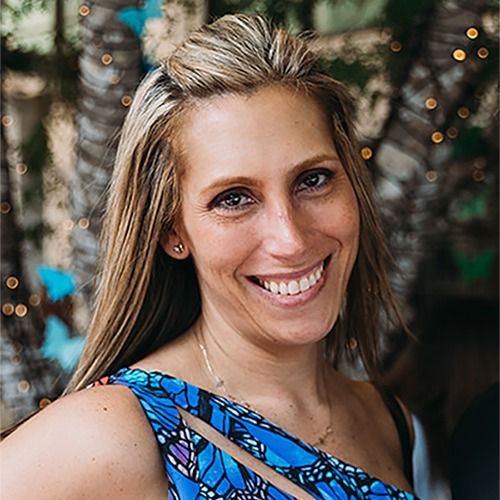
Episode 38: Surviving Post-Separation Abuse with Courtney Gilmartin
This is your go-to Podcast, where we help parents navigate the complexities of family life. Hosted by Ali Kessler of Greyson’s Choice, we’ll cover everything from understanding domestic violence to navigating the legal system, finding the right therapists, life hacks, family law, mental health, custody battles, and how to protect children in dangerous situations.
In this compelling episode of 'Grey Minds Think Alike,' we speak with Courtney Gilmartin, a protective mother who spent nearly a decade fighting post-separation abuse and high-conflict custody battles. As the founder of Monarch Consulting Group and the New Jersey Protective Moms, Courtney shares her deeply personal journey through the family court system. She discusses the emotional and financial toll, the tactics of coercive control used by abusive ex-partners, and how she empowers other protective parents through her trauma-informed coaching. Learn about her innovative strategies and tools for navigating custody disputes, and get inspired by her fierce advocacy for victims of domestic abuse in custody cases. Courtney also offers valuable tips on documenting evidence and staying resilient through the challenging process.
About Courtney Gilmartin
Courtney Gilmartin is a protective mother of two whose mission was forged by nearly a decade of personal experience with post-separation abuse and protracted custody battles. Through her firm, Monarch Consulting Group, she works as a Family Court Strategist, applying her unique skill set as a project manager to the complexities of family court.
In addition to her consulting, she is the founder of the non-profit New Jersey Protective Moms. As a certified Trauma-Informed Coach trained by Dr. Christine Cocchiola, Courtney offers a unique synthesis of lived experience and professional expertise, dedicating herself to helping other mothers feel educated, empowered, and effective.
About Ali Kessler: Ali Kessler is a writer, marketing professional, passionate parent advocate, and founder of Greyson’s Choice, a 501(c)(3) created to raise awareness about the risk of domestic abuse on children. Greyson’s Choice was founded by Ali Kessler in memory of her sweet, vibrant, and fearless 4.5-year-old son, Greyson, who was murdered by his biological father in a murder-suicide during an unsupervised, court-approved visit in Ft. Lauderdale, FL, in 2021. This came just hours after her petition for a domestic violence injunction was denied by a Broward County judge, citing that the “petitioner has failed to allege any overt acts by the respondent which would constitute domestic violence under Florida Statute.”
Ali’s advocacy efforts culminated in successfully passing Greyson’s Law during the 2023 legislative session. This bill now requires the court to consider threats against ex-partners or spouses when making child visitation and custody determinations in the court, expanding to include the following factors: evidence of domestic violence, whether a parent in the past or currently has reasonable cause to believe that they or a minor child is, or has been in imminent danger of becoming the victim of domestic/sexual violence by the other parent, even if no other legal action has been brought or is currently pending in court.
Contact Ali:
Transcript
Courtney Gilmartin Podcast
Ali Kessler: [:She's dedicated to helping protective parents feel educated, empowered, and effective in navigating the often overwhelming family court system. Courtney's voice is one of fierce advocacy, clarity and hope, and we're honored to have her here today. So thank you Courtney, for coming and sharing and talking with our listeners.
So if you can just tell us a little bit about your personal journey, your background, and how you got to family court advocacy.
it messy. They may dredge up [:I didn't know at the time that my ex-husband was, definitely abusive. Not because he wasn't ever physical in the, I guess like universally accepted sense. Now looking back, obviously there was a ton of red flags. I just didn't see it. So we got into family court. And right from the jump, things were very contentious, but my lawyers and everybody just kept, they diminish it.
They make excuses. They keep telling you, oh, in six months it's gonna get better. In a year, it'll get better. Oh, when he finds a girlfriend, it'll get better. When the kids are older. Older, it'll better. Yeah.
Ali Kessler: Yeah.
Courtney Gilmartin: And then, years go by and all those milestones pass and it's not better, it's worse.
[:I tried to just get out as unscathed as possible, and yes, that meant, leaving a lot on the table and primarily custody. I didn't think that he should have the custody that he wanted, but needless to say, that's something that I had to settle on in order to get that litigation to close.
But once the divorce ended, interaction was problematic. Parenting time exchanges were problematic. Holidays did he have
Ali Kessler: 50%?
Courtney Gilmartin: So we had a 60 40 split. It was very close. He had a long block of time at the time, five days, and the kids were young, they were about seven and five. So that was a long period of time to be away from them.
. During those five days, he [:He was really just dumping on them for those five days. And then, there was no contact. I couldn't speak with them, I wasn't allowed to FaceTime or talk to them. So it was a lot of just trying to fracture that bond that we had every time that the kids spent time with him.
Ali Kessler: Was it in your agreement that you were allowed to talk to them while, so he was basically in contempt.
Courtney Gilmartin: Yeah. And a lot of, a lot of moms, again, a lot of people come to me and be like how is that possible? It's in your divorce agreement. And I always say, there's no divorce police. The police aren't gonna get involved in a civil. Agreement, which is basically what your divorce agreement is.
And it's also even one step further. It's a giant consent agreement. Both in the eyes of the court, you're both agreeing that you're gonna do this. It doesn't mean people are going to. And in order to enforce that, you have to put out a lot of money. You gotta go back to court. You have to file a motion.
es to be able to do that. So [:I had to accept that was who I was dealing with.
Ali Kessler: And you just thought it was just him
Courtney Gilmartin: being difficult? Knew that I knew that it wasn't right, but I don't think at the time I knew the extent of how bad, how bad the damage was that he was doing.
Ali Kessler: Would the kids come back and tell you what Daddy said
Courtney Gilmartin: in the beginning?
They would a little bit, but they were so young. As time went on, obviously they became more and more vocal and that's when it became really hard because. When I really knew what was happening, it was consistently happening over and over. 'cause again, I would, we had a PC involved at the time.
Obviously I sold my attorney so I would be talking to them and giving them updates. Again, they would just be like when the kids are older or give them a year, it'll settle down, never settle down. So once I really knew that this was the person I was dealing with, and he was just dead set on.
. Because you're essentially [:Ali Kessler: Yeah. And then so what happened from there? And how long ago was that?
martin: So we got divorced in:So we had a pc, like I said, right from the jump just because the divorce was so contentious. There was a lot of motion practice in that 13 months, believe it or not. Then, just every holiday was a disaster. That's really where things would really flare up. Any variance from the schedule that we had was a huge debacle and a debacle, like the PC was involved?
Ali Kessler: No, I have the same,
Courtney Gilmartin: yeah, the police were involved, the lawyers were involved, it was just insane. Now why
Ali Kessler: do you think that is? What was the end goal that he wanted?
Courtney Gilmartin: I think for a lot of people who are disordered or abusive, it's just the control. Any, open door that they see, any change in the schedule where they can cause problems or try to dominate and really dictate how this is gonna go.
an element of, he was gonna [:Ali Kessler: just about power. It wasn't that he
Courtney Gilmartin: always, yeah.
Ali Kessler: Yeah. Okay. And did he have any. Disorders or mental health issues that you are aware of
Courtney Gilmartin: at the time? Listen, I think I racked my brain for far too many hours thinking, what is wrong with him? How can we fix him? How can we make this better?
Ali Kessler: Yeah.
Courtney Gilmartin: I think at the end of the day, a lot of abusive individuals don't have underlying mental health conditions.
They are just abusive. They thrive on chaos. They want that power and control.
Ali Kessler: That's the narcissism aspect and that's most, I would say most people that engage in coercive control are, have a narcissistic disorder. Personality disorder. Yes. So I
Courtney Gilmartin: think it's Dr. Ramani or one of them, I don't wanna misspeak, but one of them says.
Every coercive controller abusive person is probably narcissistic. Every narcissist is not a coercive controlling. She
Ali Kessler: actually said that on my podcast. Yeah. She was on two weeks ago.
health professional, but to [:And then things just continued to get worse. Like anything. Anything that should be easily handled through co-parenting. Communication was not, passports were an issue. My sister's wedding was an issue. Everything was an issue. So how did you
Ali Kessler: deal with that? You just gave in.
Courtney Gilmartin: No, not all the time.
When I tried to be strategic, right? Like when I knew I needed to give in, I had to pick my battles. And that's part of a strategy, right? So I would pick my battles and other times I wouldn't pick my battles. And I would push back and I would really try to push through and, like for example, my sister's wedding, he was dead set on not letting my kids go.
It was planned on his weekend. Of course, like we can't. My sister is not gonna plan her wedding around the parenting time schedule. It's absurd.
Ali Kessler: Sure.
tion like that over years of [:Eventually the court and someone involved is probably gonna look and be like, listen, something has to change. This person needs sole custody or sole legal decision making something. It just doesn't happen quick enough. And I think a lot of people just give out in that, like that Grey area, that interim period of getting divorced and this clock start ticking to when something can really actually change.
I tell. A lot of people during active divorce litigation, you're probably not gonna have much luck getting that sole decision making unless something catastrophic happens because they're gonna look at both of you and just be like, you guys just have to get along.
Ali Kessler: And what did the court say when you said He won't let me take our children to my sister's wedding?
Did they see that as being an issue?
Courtney Gilmartin: By that time, everybody that was involved knew he was an issue. So it was pretty much no, the kids are growing.
Ali Kessler: Okay, so
wedding and he has them that [:Those type of scenarios were always an issue, and then I was always. Stressed, am I gonna get them? Is he gonna let them out? Is he gonna give them back to me? And that type of stress and worry just wears people down. It's not fair. And that's, that is abusive in itself. Yeah. Because it's
Ali Kessler: too, yeah. I cried every day over things like that, which tainted the short time that I did have with Greyson, and my experience with motherhood because of things just like that.
Courtney Gilmartin: And that
Ali Kessler: where they don't see reason.
Courtney Gilmartin: Right. And that, I think, is a hard pill to swallow for me now, looking back, just all this, all the joy, all the small things he's taken, all the adversity that we had to trudge through is like trudging through sludge for, but not like my sister's wedding. Like, why does it have to have this cloud for us?
Why
Ali Kessler: is everything so difficult?
Courtney Gilmartin: Yeah,
Ali Kessler: yeah. No I get it. And there, there's the million dollar question. Nobody has the answer.
Courtney Gilmartin: And I, I go to my therapist still once a week and I have obviously grown and healed a lot of parts of me, but I say to her like, there are things that I don't know that I'll ever get over.
How do [:Ali Kessler: And bitter. Right,
Courtney Gilmartin: I don't
Ali Kessler: How old are your kids now?
Courtney Gilmartin: So my daughter's 15 and my son is 13. Okay.
Ali Kessler: And do they have a good relationship with their dad?
Courtney Gilmartin: No. So my, I would say things got progressively worse. And then when my daughter was probably sixth, I wanna say sixth grade, the year start blurring together after, during COVI. Ironically, he was very quiet. I think part of his needing to control every aspect of his life the back, the window burner.
Yeah. To COVID because no one was in control. That was such a unprecedented time. I think even he was having a hard time probably dealing with that. So things were actually quiet during COVID, ever The kids were home from school. I don't think he wanted to have to deal with the homeschooling stuff.
again. Like the kids weren't [:And it was just the constant harassment and criticism and demeaning degrading messages about my parenting and, what I was doing with the kids. And we traveled shortly after, the travel restrictions were lifted and that was like. Know the end of the world to him, and there was a lot of him trying to weaponize the third parties that were involved.
He would write disparaging emails to teachers or school administrators, or our lawyers at the pc. Courtney's a terrible mother. She's the worst person in the world. She doesn't care about our kids. Look at how awful she is. She took the kids to Florida and she's just a piece of crap and I should have the kids forever.
And I'm, that's putting up my mildly 'cause I don't wanna curse. But there was a lot of that. So as the world started to open up, it just continued to escalate. And we got to a point where it was like we were in crisis basically. My daughter did not wanna go. She was like, dad just screams at us. He yells at us.
it. She was. Her social life [:And I again, made peace with myself and I was like, I cannot protect him anymore. I'm not gonna shield her and be like dad just loves you and he is overprotective and he is worried about you. When she was coming home saying to me like, dad, let me hang out with X, Y, Z because you're friends with their parents.
I was just like, that's not okay. That is not okay. And I really drew the line in the sand and I said to everybody involved. I was like, I'm not gaslighting my kids anymore. I'm not telling them that this is okay. I've done, I've eaten so much. I've shielded them from so much. I've taken on so much that I just will not continue doing this anymore.
n court in front of a judge. [:It's not fair what you're doing to her. Stop talking about the divorce. Like we need to work on this. Just landed on deaf ears, obviously. Needless to say, he took me to court. She was not going, she did not wanna go. And so we filed a motion, took me to court. And wanted all this compensatory makeup time and the judge denied it, but wanted us to go for the custody of Al and wanted us to start co-parenting therapy and we got a new pc, so they threw the like court family court.
Kitchen sink at us. As I call us. Call it, like we had three experts. We went from zero experts. 'cause our first PC was no longer working with us and we went to three and
Ali Kessler: is a pc, I guess that's a parent coordinator.
Courtney Gilmartin: Yeah.
Ali Kessler: Is that the same as like a guardian ad litem?
Courtney Gilmartin: So it's similar in it's supposed to help reduce conflict, but it's not specifically for the kids.
It's not gonna speak to their best interests and make decisions. The PC's supposed to just
Ali Kessler: the parents
Courtney Gilmartin: help us make decisions.
Ali Kessler: Okay.
st one did help. He ended up [:But at the end of the day, my ex really wasn't, he wasn't really listening, he was keeping the wheels on as best he could, but. It was just, it was gonna fall apart anyway, so the judge ordered the evaluation and I will say that evaluation definitely changed the trajectory of our case for the better.
We had thankfully named the expert we wanted to use in our divorce agreement, which I will say is a tip for anyone listening that thinks they're gonna end up in post settlement litigation for custody. If you know there's a good expert out there, try to get it in your agreement.
Ali Kessler: Okay.
Courtney Gilmartin: We knew there was a good expert in New Jersey.
She was young at the time, but she was up and coming. She understood coercive control, that non-physical, domestic abuse. She really was focused on the best interest of the kids and
Ali Kessler: Right.
Courtney Gilmartin: She was a little bit more,
Ali Kessler: I don't think anyone knows in advance though that this is gonna happen. That's the problem.
an abusive marriage and your [:Ali Kessler: Now that's smart. 'Cause you just don't know.
Courtney Gilmartin: You don't know. And when you, if and when you have to go back to court, which I hope no one listening does, but I know that the sad reality is there will be people listening that are going back to court or getting divorced and will be back in court.
You want to have that in there because the judge is very likely to just order the expert you agreed to. That's why I said it's a consent agreement. Then, pick some random person. That could be awful.
Ali Kessler: Or just for the money. So yes, I agree with all that. Now, for our listeners who are not familiar with what post-separation abuse is and how it shows up in custody cases, can you share a little bit of that about what I, I'm assuming that's what you endured and I guess parental alienation, which some people claim that's a, that's not a thing.
So why don't you speak to that a little bit?
So it for sure is that term [:Yes. But that's a whole nother segue. Post-separation abuse, right? Withholding funds, always getting reimbursed for activities was an issue. Child support was an issue. All of that's considered financial abuse, right? They're trying to purposefully. Fracture, your ability to pay or interfere with your ability to pay and sustain things and probably get legal representation.
The demeaning, degrading, harassing communication, every interaction was problematic,
Ali Kessler: right?
Courtney Gilmartin: So
Ali Kessler: it is coercive control. They basically go hand in hand because that's basic everything that I lived through. But the thing is I was never with Greyson's father. So was there was no post-separation.
Courtney Gilmartin: So it could even be like post-settlement. We could say, yeah, like whatever line in the sand. When people think, let's say you, you weren't married, but then you settle on like a custody agreement or something. Once they have, once you have a child with someone like this, that child then becomes a conduit for them to just.
er his breath, standing over [:When I would leave the parking lots, he'd trail like right behind me on my. All my tail in the car, intimidate you. You try to intimidate you. Scary.
Ali Kessler: Were you ever like frightened for your life or your children's life? Yes.
Courtney Gilmartin: I've had four temporary restraining orders in Jersey.
It's super hard to get a permanent one 'cause we have restraining orders for life. So the judges are pretty. Hesitant to give out the permanent ones, but I've had four temporary, just because, like one time he was going through my car, he was taking pictures. I had a planner at the time. He was taking pictures of all my contacts.
Then he started calling all my contacts, threatening all my contacts, tell her she better not divorce me. He would drive by the marital home and honked a horn and pulling the driveway, blow on the horn all night. Had
Ali Kessler: all of that too.
Courtney Gilmartin: Yeah. He would try to, he'd try to run me over in a parking lot with his car.
hour, you're a bitch, you're [:Ali Kessler: exactly the same except the courts didn't help me at all.
Courtney Gilmartin: Yeah, they would, they would give me the temporary when I would go because it's a little bit lower. Yeah. Didn't even get that. And so many people, same thing, so many people will just be denied. And then that is,
Ali Kessler: so I was denied and Greyson was killed the very next day. Clearly. If there was an issue, but I'm sure Florida law is different than New Jersey law.
I'm just curious, do courts to family courts mostly wanna do 50 50 or are they a little bit more lenient towards mothers? They are. It's just 50 50 no matter what.
Courtney Gilmartin: Yeah. It's not, it's definitely. Pretty much the standard now,
Ali Kessler: right?
Courtney Gilmartin: Yeah. We
Ali Kessler: have
Courtney Gilmartin: a
Ali Kessler: 50 50 law here in
Courtney Gilmartin: Florida. Yeah. Yeah, that, I know that you guys have that law.
It's not explicitly 50 50 in New Jersey, but it pretty much is the way that our custody statute reads. There was a little bit of a change a few years back, I forget which year, but it pretty much reads now equal access, which is basically 50, which is problematic, and I know unless someone moves out of state.
hen, you'll have them refine [:Ali Kessler: Right?
Courtney Gilmartin: Yeah.
Ali Kessler: So where do you stand now? Your kid's a little older, you obviously went back to court and they saw the PC helped you figure things out. What is your agreement now?
Courtney Gilmartin: So we went back to court on, we started the evaluation. My daughter still did not wanna go, so my ex took me back to court and asked for the compensatory time again and the judge ordered it.
So then that ended up resulting in him getting my weekends the way that the judge ordered it. So I was only able to see the kids Tuesday and Wednesday night for six and a half months. And during that time it was just awful. My daughter was a disaster. The anxiety she had was through the roof.
Ali Kessler: And they did that just to, because why did they do that?
Why did they take your time away?
e car and forcing her to go. [:How can I. Yeah. She's basically as tall as I am. She knows what's going on.
Her daughter's scream. Her father's screaming at her the whole time she's there. How can I possibly force her to go? She did not care. She, the second time we were in front of her, she was basically like, I don't care what she says.
If you don't force her to go, I'm taking your custody from you forever. So at that point I had no choice and the kids were in school. They did not know this was coming. And I will never forget, my ex was like, you know what, your Honor, we're gonna let Courtney go see the kids one last time before this so she can tell the kids what has to go on.
And I was thinking, I remember thinking, please do not act like you're doing anyone a favor. I have to go do the dirty work now and tell these kids that they have to spend every weekend, every day with him, except Tuesday and Wednesday for the next six months. So that went on. It was horrific. And then we started the eval, and I'll say the only thing now looking back is that during that time.
y to see what more time with [:Ali Kessler: What did he say happen?
Courtney Gilmartin: The evaluator? Oh, the evaluation took 13 months and they actually called us in. I had an attorney, a new attorney at that time, and she was like.
In all my years practicing, I've never been called in after an evaluation. Like normally they'll release the the report to the parties either in camera where you have to go to the courthouse and review it, or you have to review it with your attorney. They called us in. We did not know what was in the report, and they, the judge who had ordered the kids with him for six and a half months actually did the right thing.
She suspended his custody immediately and I got. Full custody of the kids right then and wow, my daughter, new Jersey's, a one party state, so my daughter had been recording my ex when they were spending time with him. Smart, and the recordings smart. Were smart, were horrific. Just sitting them down for hours at a time, screaming at them about me and the divorce and the litigation, and just
Ali Kessler: how did she record on a phone?
Courtney Gilmartin: She would use her phone and voice notes.
Ali Kessler: Wow.
Courtney Gilmartin: [:Ali Kessler: so she would be in the back.
Courtney Gilmartin: And 'cause she would try to get away from him anyway 'cause she would be like a nervous wreck after. And then she would just save the voice memos and then the evaluator was able to listen all of those and so was the judge.
Ali Kessler: Wow.
Courtney Gilmartin: They actually recognized what he was doing as emotional abuse and that's really what kind of tipped the scales there.
Ali Kessler: Did you know she was doing that
Courtney Gilmartin: recording? I knew she was recording, yeah. Because she was, at this point we had talked to the family therapist. She had, talked to her therapist, she had talked to, we had DCP and P involved a million times.
Ali Kessler: Did you hear the recordings before?
Courtney Gilmartin: I heard some of them, and they're, they were just awful. And then we had to listen to them again in the courtroom. They had to play them into the record and it's just, it's horrific. And he was. He was yelling about me a lot of the time, but then he was also just really demeaning and degrading and awful to the kids.
at them. It just awful, not [:He was awful to me. And his whole stance has always been to the court. If I just get actual 50 50, I'll get over it. He was just worse. I know. I see the eye roll. It's just ridiculous because I'm like, he has two days less than 50, 50 a month.
Ali Kessler: Yeah.
Courtney Gilmartin: And if he was nice to me and the kids, I would probably let him take more time with the kids.
Right?
But he is awful.
Ali Kessler: Right?
Courtney Gilmartin: So why am I gonna let him take more time? The court did the right thing. Of course he was pro se at the time, but he lawyered up immediately. And three days later did they
Ali Kessler: appeal it.
Courtney Gilmartin: So it was a temporary order so they couldn't appeal. And his lawyer, the only good thing I'll ever probably say about his lawyer is that they didn't fight the report
Ali Kessler: because [:Courtney Gilmartin: And you, you really couldn't, I mean there was just so much in that report.
Ali Kessler: Yeah.
Courtney Gilmartin: So
Ali Kessler: you're lucky that the recording, they wouldn't accept that here.
Courtney Gilmartin: I know
Ali Kessler: in Florida you have to have consent, which is crazy.
Courtney Gilmartin: And that is such a, it's such a hurdle and it's such a barrier for so many people. New York is the same, I think in New York it's a felony.
If you record someone without their consent, it's just awful.
Ali Kessler: Yeah. It defeats the whole purpose right. Of, of recording because no one's gonna willingly act that way on it. So
Courtney Gilmartin: Especially someone like that. Yeah. 'cause as soon as you pull out a recording they stop.
Ali Kessler: Yeah. I've had people like have their ring doorbell, take, a whole yelling, battle conversation, and the camera's there, the person that comes in sees the camera at the doorbell. So for me, I feel like that should be consent if you're gonna talk right in front of a camera, but nope, they don't. I know they don't allow it.
Courtney Gilmartin: I know. It's awful.
to really try to amp up your [:So they didn't fight the report, but they. Acted as though he was gonna comply with all the reco recommendations in order to get his parenting time reinstated. And that was in, so that happened in December, 2022. So we were back in court in January, 2023 and I would say for the entirety of 2023, we were in court once a month for status updates, which was just so costly.
Ali Kessler: So you guys live near each other. Were the kids still able to, just
Courtney Gilmartin: so
Have
Ali Kessler: their social and everything?
Courtney Gilmartin: Yeah,
Ali Kessler: the same.
Courtney Gilmartin: But he, the kids were not seeing him during that time period. We were there for status updates. My son started to go a little bit. They tried to do reunification therapy with my daughter and him, which failed miserably.
problems and so I was like, [:My lawyer bills were seven, $8,000 a month for all of 2020 three's because we were in court sometimes twice a month if there were problems. And all you able to get him
Ali Kessler: to pay that?
: So I, I did get an order in:But yeah,
Ali Kessler: they create the problem. They should pay.
Courtney Gilmartin: Exactly. And that's something that the court, if anyone listening is in the court system, that is something that is an actual very effective deterrent.
Ali Kessler: Right.
Courtney Gilmartin: Unless the person is so money that they don't care. They don't. A lot of them do care about money.
Yeah. So if you start to put them on the hook for all of this
Ali Kessler: Yep.
Courtney Gilmartin: They'll think twice. They'll probably stop.
Ali Kessler: Right.
Courtney Gilmartin: They probably will. But when you just let them have free reign of the court and let them use the court to terrorize and torment their victims, they're never gonna stop. So that's a hot take on that, but that's what I always say.
r. I'm like, they have to be [:Ali Kessler: Of course. And you must hear a lot 'cause you started the New Jersey Protective Parents.
Can you talk a little bit about that, how that started for you? Obviously I see why, but how did it actually get started?
Courtney Gilmartin: I was in a lot of Facebook groups about this stuff, obviously. 'cause you're just searching, you're so desperate. I felt like I, I was living in
Yeah. I felt like I was living in a movie.
My friends' lives, everyone's lives around me was like going on like normal and I'm like, I am living in an alternate universe. I searched, you know the internet? Yeah. For groups. I found a few other moms in a one moms battle group. They have the state groups, and we started talking. A few of us started talking and there was someone, shout out, shout to
Ali Kessler: Tina Swinton.
Courtney Gilmartin: There was. Coercive control in New Jersey, which we were trying to get it passed. There was like a version of the law that an assembly person had introduced that didn't really go anywhere. So when the next session came up, we were like, we need to get this passed. So we banded together. We formed the nonprofit just.
More so as to [:I'd love to do fundraising one day to get some resources to help moms get services to heal. Like actually heal, right? Primarily we were focused on the legislation legislative stuff, so we got course of control passed in 2024. The bar here in New Jersey was dead set against it. They did not want it. They testified against us.
So
Ali Kessler: how did you get it passed? 'cause it didn't fly here in Florida, even in Greyson's law.
Courtney Gilmartin: Yeah, we, it was watered down. I'll just start with that. You cannot get a restraining order here for coercive control. But what it did do is it expanded the definition of domestic abuse to recognize that coercive control is domestic abuse.
ld be recognized as coercive [:To get a restraining order has to be something else, and then the judge has to take into consideration when issuing the final course of control.
Ali Kessler: It's similar to Greyson's Law. We had to dumb it down from the first time we ran it through.
Courtney Gilmartin: I think it helped because I think it was Massachusetts had just passed the law.
Another state had just passed the law. So there was some like monkey see, monkey do as aspect to it. The lawyer, the legislators here were like, oh, now you know, New Jersey can be like number five. It's a lot easier when other states have lost. To get your state to did
Ali Kessler: you try to use Kayden's Law as a federal backing?
Courtney Gilmartin: So right now we're in the middle of a whole nother debacle because they're actually trying to change the custody statute in Jersey to codify reunification therapy.
Ali Kessler: Okay.
opefully we can get Kayden's [:Into New Jersey. I know in other states they've gotten aspects of Kayden's law. It's been hard to get all of Kayden's law, especially the training piece because that judiciary branch ban, they just do not wanna be told what to do by the legislators. They're like, sure, you're not gonna tell us what we need to do, which is a shame.
I think something that is really helpful that we got a lot of victims to come testify during the hearings for course of control and that really helped push it through.
Ali Kessler: We did that for Greyson's Law too. People just showed up out of the woodwork.
Courtney Gilmartin: Yes. And we had a really good sponsor that wanted that law passed, so she helped.
Those were the two big pieces. We got lucky, and a lot of hard work there and just outreaching and the stars aligned. Is it
Ali Kessler: helping?
Courtney Gilmartin: It's starting to help. I'm starting to see some like unpublished things come down. Nothing in the appellate court yet, but I've seen like murmurs of unpublished opinions come through.
that the ex was continuously [:I will say just this is obviously I'm only one person, but others can probably think about their scenario ever since it passed. My ex has definitely taken a step back. It could be just timing in our case and the fact that he doesn't really have any. Anymore. But I think he knows now obviously, that it has to be considered and he's been identified as a course of controller, so it's not like that can be refuted if we were to end up in front of a judge like he is one.
Ali Kessler: Right.
Does he still send you those texts and does he still, try to attack you? Yeah,
Courtney Gilmartin: all the time.
Ali Kessler: So what kind of changes would you most like to see in family court system to, protect children and safe parents more?
Courtney Gilmartin: I think from the jump there needs to be some sort of screening for DV and coercive control.
Ali Kessler: Okay.
rd way is not going to work, [:And then we need to really get creative and have some alternate tracks for resolution for families that are. Trapped in this like disaster. Disaster that is family court. It can just, it just cannot. We can't have survivors and children coming out 10, 12, 15 years in family court. All of their savings.
Ali Kessler: Right.
Courtney Gilmartin: Diminished. Yeah. There
Ali Kessler: has to be a better way.
Courtney Gilmartin: There has to be a better way. And private custody, which is the route I took, DCP and P never helped my family. They don't help a lot of families in Jersey, they're on a ton of scrutiny. That's a whole nother topic, but private custody is just so financially out of reach for so many families.
Like the cost needs to, I
Ali Kessler: don't even know what that is. What's private custody?
Courtney Gilmartin: Like the pri like I had a private evaluator, so you know, she, she's not through DCP and p, she's.
Ali Kessler: So you just hired her on your own?
s a very expensive rate, but [:But again, there's not good play. There's, they're not all good players. It's not covered by insurance, obviously. Nothing, it's not recognized as anything that can be billed through insurance. So I think our first eval was just over $25,000.
Ali Kessler: Do you think they actually, wanna help or do you think they just do it for the money?
Courtney Gilmartin: I think some wanna help. I think my evaluator is probably a diamond in the rough, but she wants to help within the system that she's in, which, sometimes you get in front of these judges and they just like,
Ali Kessler: yeah.
Courtney Gilmartin: They just fly off the handle another, do you
Ali Kessler: think there's a difference between men and women, evaluators, do women side with moms more and do men side with dads more, or do you see it fair?
Courtney Gilmartin: I don't I that I honestly don't know. I think there's just really bad players in the mix and there's really, I've seen really bad women and I've seen really bad men. I think I'm more disappointed in women because when I hear the stories, and I know a lot of these. Bad players are moms themselves. I'm like, how could you ever do that to another mom?
here needs to be much better [:Abusers weaponize, family court, what to really look for. And you can't just keep throwing families into like I said, the kitchen sink with three different people that are gonna tell them three different things. Stories that are all on retainer, that's not manageable either. And I think, a lot of the lawyers prey on this emotional aspect that comes into play when you're dealing with someone's kids, which.
Again, I'm not shaming anyone like you should be emotional. They're your children. This is such an emotional thing to go through. When you look at family court, like the motion practice is out of control, and every answer that I hear people get is file a motion. File a motion. And I'm like, you're almost diminishing the process for the per, for the litigant, right?
Ali Kessler: Right.
Courtney Gilmartin: I tell people, do not file a motion until you have so much evidence.
Ali Kessler: Evidence,
sway that judge because the [:That's not,
Ali Kessler: I always tell everyone, document everything, because you need to back up every thing that you're going in for and every red flag, you need a whole list of things because they're not gonna just talk to you.
Courtney Gilmartin: Yeah. And whatever you think you need probably 10 times what you think you need.
So that's why now I work mostly with people getting their documentation straight, because people will be like I have screenshots on my phone and I have this email over here and this, and it's all disjointed. It doesn't, it's not cohesive. They're stumbling around trying to find things.
They're ineffective, they're efficient. The lawyers are getting pissed off because they're like, you don't even have what you said you had. So I help people just manage it like a project, like I put my business brain in to my thesis.
Ali Kessler: Is that what Monarch Consulting Group does?
Courtney Gilmartin: Yeah, because
Ali Kessler: just tell everyone about Monarch,
Courtney Gilmartin: when I went I was like, how I was pro se at the time, just 'cause the cost was crazy.
t the end of that eval, so I [:So I put all my proofs, I linked them all directly in there. I built out a timeline. Every incident that I put on my timeline had evidence. If I didn't have evidence for it, I didn't give it to her unless she asks for something. Because this is also what I tell people. Once you get enough direct evidence with direct evidence, with like proofs to back it up, you can start weaving in indirect evidence and stories or whatever you may not have evidence or proof for, but you'll just become much more credible because they're gonna be like she has 50 proofs for this stuff.
is it having on the family, [:Like I will categorize everything. Everything's cohesive, everything's. The naming convention is all the same on all the proofs. You can search, you can index things. So I've really built it out as like I said, like you're managing a project, which is how you have to look at these cases. I yeah. I had spreadsheets.
Ali Kessler: Yeah.
Courtney Gilmartin: Yeah. It's just the amount of evidence is overwhelming. And I meet so many women, ' cause most protective parents are women, and I'll probably have people come for me with that, but it's just true.
Ali Kessler: Right?
Statistics. Yes.
Courtney Gilmartin: Yes. They're just in this state of freeze and overwhelm because they're like, I don't even wanna look at them.
They're on my phone. They're here. Oh my gosh, I can't find them. So we start with like baby steps of let's just get this all in one spot. Let's just put it all in a Google folder. Let's start there. And then, depending on how, traumatized or how mu, how you know, their bandwidth for doing this is how I'll tailor it.
d then have me just check in [:I think you become a lot stronger in your position. You have a much more solid footing and you can go into, court or an appointment with a lawyer or consultation or a meeting with a mediator in a much more, strong and confident. And confident. Yeah. Yeah. You'll have the proof. The proof is in the pudding, like they said.
Do
Ali Kessler: you ever hear about apps like victim's voice? Because I, we had that on a podcast and it was basically an app used just for collecting the evidence that you need, which can be very helpful for many.
Courtney Gilmartin: I haven't heard of that one, but I know like a lot of my clients will use, like our Family Wizard or.
Ali Kessler: That's, yeah, that's different. It's different 'cause we use talking parents and things like that to talking parents keep Yeah. But victim's voice is actually just an app where they can Okay. Keep everything stored for evidence-based purposes that can't be traced. It's very safe.
So I might wanna look into it.
Courtney Gilmartin: Yeah, I'll look at that. And
Ali Kessler: so who should reach out to you?
Courtney Gilmartin: Any [:But anyone that is I don't even know where to start. I have all this evidence, I have all these thoughts in my brain, but nothing seems to make sense. Nothing's making an impact.
Ali Kessler: Can it be in any state or just Jersey? Any state?
Courtney Gilmartin: Yeah, I have. I've also worked with clients in England and New Zealand recently.
Okay. I just worked with someone in Australia too, so any state, any country. And like I said, I custom tailor it. I work within budgets. I get that this is costly, but I try to keep that, the cost of working with me and getting started super low, super affordable. And then, it's up to the client to really, I give them the tools and then, they have to see how see fit or Yeah.
See how to use it.
Ali Kessler: Gotcha. Okay. What message do you have for a mother listening right now who may feel lost in the system, or scared or unheard? Any last words of wisdom?
I say getting your evidence [:And try not to beat yourself up because there's no, there is no like right way to do this, right? You're navigating uncharted territory, so keep doing what you're doing. Try to be the best parent that you can be given the circumstances. If you have to take a break from litigation, take a break.
I wasn't in active litigation the entire time. There were years, months, days where I was like, I'm not doing this. And that's fine too. Your kids will eventually see the truth. They will. I know sometimes people feel hopeless. I would say in that like most impressionable state is probably the hardest when they're like five to.
11. And then I think once you get past that, they the blinders come off and they become like disillusioned with the cost play dad, the nice dad, if you will. And they start to see the truth. So just keep going one day at a time. That's all you can do.
Ali Kessler: Yeah. And trust your gut.
Courtney Gilmartin: Yes. I always say trust your dad.
Like you, that's why I say, you know your truth,
Ali Kessler: right?
. Get through the days like. [:Ali Kessler: No. I wish there
Courtney Gilmartin: was almost 10 years later. I know.
Ali Kessler: Yeah. Yeah,
Courtney Gilmartin: I know.
Ali Kessler: I'm gonna put all of your contact info in our show notes so our listeners can find you for both protective parents and Monarch. And I thank you so much for coming on and sharing all this, I wish you all the best. I'm glad that you know your kids are now a little bit older and they can make up their own minds, keep doing what you're doing, keep fighting and helping all of those other parents that need help. So thank you for what you do.
Courtney Gilmartin: Thank you.
Ali Kessler: Yeah, absolutely. Alright, take care Courtney, and I'll make sure to reach out if our listeners have any questions.
Courtney Gilmartin: Thank you.
Ali Kessler: Alright, bye.