Episode 43
Episode 43: Conscious Parenting: From Conflict to Connection with Katherine Sellery
This is your go-to Podcast, where we help parents navigate the complexities of family life. Hosted by Ali Kessler of Greyson’s Choice, we’ll cover everything from understanding domestic violence to navigating the legal system, finding the right therapists, life hacks, family law, mental health, custody battles, and how to protect children in dangerous situations.
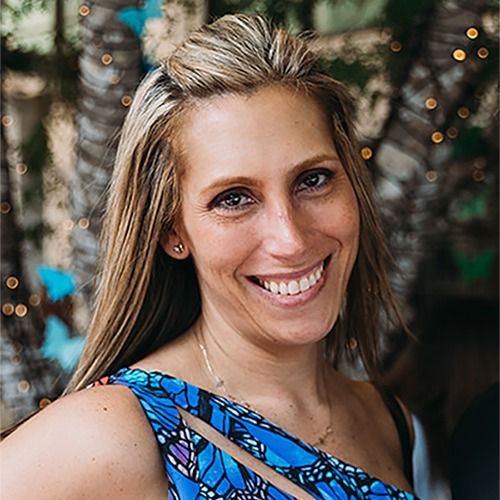
In this transformative episode of Grey Minds Think Ali.Ke., host Ali Kessler sits down with global parenting and communication expert Katherine Sellery, founder of the Conscious Parenting Revolution. Katherine’s work has helped thousands of families shift from conflict to connection through communication that supports safety, respect, and emotional intelligence.
Together, Ali and Katherine explore how conscious parenting can help families — especially those navigating trauma, domestic violence, family court, or high-conflict co-parenting — understand their children’s emotional needs while breaking patterns of fear-based communication. Katherine explains the core principles of the Guidance Approach to Parenting, offering practical tools that parents can apply immediately to reduce power struggles, rebuild trust, and support children who’ve experienced instability or trauma.
This episode is an empowering reminder that parenting isn’t about perfection — it’s about presence, connection, and learning new ways to create emotional safety in the middle of chaos.
About Katherine Sellery
Katherine Sellery is a global leader in parenting, communication, and emotional intelligence — and the founder of the Conscious Parenting Revolution.
A #1 Amazon best-selling author, 3-time TEDx speaker, and trained mediator, Katherine has spent more than two decades teaching families, educators, and professionals how to navigate conflict, build strong connections, and transform the way they communicate.
She is the co-creator of the Guidance Approach to Parenting, a model rooted in psychology, neuroscience, and mediation that helps parents move away from fear-based strategies and toward respect-based relationships.
Katherine has led transformational workshops across 12+ countries and has been featured on ABC, Good Day LA, WUSA9, and numerous global platforms. She is also a mental health advocate who organized the National Summit on Mental Health & Fitness, bringing together scientists, policymakers, and leaders to reimagine emotional wellness on a national scale.
To learn more about Katherine’s courses, workshops, and the Conscious Parenting Revolution, visit Website: www.consciousparentingrevolution.com
About Ali Kessler
Ali Kessler is a writer, marketing professional, passionate parent advocate, and founder of Greyson’s Choice, a 501(c)(3) created to raise awareness about the risk of domestic abuse on children. Greyson’s Choice was founded by Ali Kessler in memory of her sweet, vibrant, and fearless 4.5-year-old son, Greyson, who was murdered by his biological father in a murder-suicide during an unsupervised, court-approved visit in Ft. Lauderdale, FL, in 2021. This came just hours after her petition for a domestic violence injunction was denied by a Broward County judge, citing that the “petitioner has failed to allege any overt acts by the respondent which would constitute domestic violence under Florida Statute.”
Ali’s advocacy efforts culminated in successfully passing Greyson’s Law during the 2023 legislative session. This bill now requires the court to consider threats against ex-partners or spouses when making child visitation and custody determinations in the court, expanding to include the following factors: evidence of domestic violence, whether a parent in the past or currently has reasonable cause to believe that they or a minor child is, or has been in imminent danger of becoming the victim of domestic/sexual violence by the other parent, even if no other legal action has been brought or is currently pending in court.
Contact Ali:
Transcript
Katherine Sellery Podcast
Ali Kessler: [:Katherine teaches parents how to shift from. Conflict to connection. How to communicate in ways that build emotional safety and how to raise children without power, struggles, or fear. Her approach is especially meaningful to so many of our listeners parents navigating trauma, high conflict co-parenting.
Or family court battles who wanna break old cycles and create a home, whether where their children feel seen, respected, and safe. And in this episode, we'll explore how communication can become a healing tool, how parents can rebuild trust in the midst of chaos. And why? Conscious parenting is not about perfection.
It's about connection. Hi Katherine. It's so nice to meet you and thanks for joining us today.
Katherine Sellery: Hi, Allie. So good to be here. Yeah, excited to dig into this great topic.
Ali Kessler: Yeah. [:Katherine Sellery: Yeah, the revolution started when I started having kids. It was a personal revolution to revolutionize my own approach to parenting based on Sure. Something other than just, the wash and repeat family of origin. I had grown up with and to create something that I felt comfortable with.
'cause I was trying to just use other stuff and I didn't feel okay about it. So I just started working on my own parenting, which included going to a lot of trainings. And then over the years. It became just my passion and I was really compelled to make it the focus of my life, which is what I've been doing now for about 25 years.
So, it's just amazing how deep the subject is, communication, and then when you've got your kids and your family and all of the triggers and the emotional stuff that gets to show up because it's so much more personal.
Ali Kessler: Of [:Katherine Sellery: So yeah, so there was then all that layer of just really understanding the human dynamics and, exercising the opportunity to use these.
Basic minefields as as a way to get to a better place and not hurt relationships.
Ali Kessler: That is always our goal. Yeah. Now you say when parents shift
Katherine Sellery: Yeah.
Ali Kessler: How they communicate, everything changes. What does that shift actually look like in an everyday family life?
Katherine Sellery: So there's a couple of, I think keys, one key is that we see children as trying to get it right.
So that's just one fundamental shift is that. With a lot of our discipline, it's as though there's a mindset around, could have done better. And that at some level, you're doing this to get at me.
Ali Kessler: Okay.
Katherine Sellery: And there's like, you're so mad at me, you're, you're now winding me up.
hat it really is embedded in [:A lot of elderly people talk about ageism and feeling as though they're marginalized and kids don't have the language for that. But I think they're also marginalized. So there's this other community whose feelings and needs are not taken as seriously because of age.
Ali Kessler: Right?
Katherine Sellery: So just recognizing that within ourselves,
Ali Kessler: right.
Just saying like they're, they don't know life's, you know, they don't have wisdom.
Katherine Sellery: Yeah. Yeah. The
Ali Kessler: truth is kids know a lot and they're actually really smart
Katherine Sellery: and they're also truth tellers,
Ali Kessler: right?
Katherine Sellery: They really are. They'll say the thing that you wish they hadn't because it might sting,
Ali Kessler: right?
Katherine Sellery: And it's kind of, I think it's a gift.
When people give us straight feedback and that kind of feedback, that can sting a bit, we tend to not appreciate
Ali Kessler: Right. Definitely.
ite that they will hide that [:Ali Kessler: right?
Truth
Katherine Sellery: right. And. Rob us of the opportunity to be really seen, like clearly from another person's perspective, which is, you know, I just wanna say that's very different from people's judgment of us. I don't, I'm not talking about people's judgments. Like, you know, what you think about me is none of my business in that respect you judgments in your feedback, which are coming from that place.
We don't need to perpetuate that cycle. Right. I'm talking about really. The kind of clear communication that has a lot of courage behind it, right? Because it is courageous to say to someone, Hey, when that happened, I was really hurt and these were the needs of mine that weren't being met.
Right? Would you be willing to have a conversation about that?
Ali Kessler: So it's a a lot about transparency and communication.
Katherine Sellery: Transparency and communicating in a way in which the other person doesn't feel judged.
Ali Kessler: Right.
Katherine Sellery: So
Ali Kessler: judged or attacked. 'cause sometimes
Katherine Sellery: there's
Ali Kessler: a
with children but with other [:Ali Kessler: sure.
Katherine Sellery: Whenever we get triggered, we wanna go into defensiveness. And needing to prove is proof of doubt. So just keeping that in mind wow, am I trying to prove something? Am I needing to prove something? Right? I think I'm trying to prove something. What is it that I doubt about myself that I'm covering up and has triggered me into defensiveness, because that's all about me.
And so again, I mean, that takes courage.
Ali Kessler: Sure.
Katherine Sellery: And it also takes consciousness. To be consciously aware when we're moving into the land of defensiveness, and that if we're doing that, that there's something he thinks he doth protest too much what's going on for me? That I'm, I'm landing over there. Right.
And at that point, it's time for me to exit and say, I don't know, like. Right now I'm noticing my response to this, and I know that this is actually now all about me. So I need to take me away, right. And spend a little time getting in touch with that, something in me that's coming out as a result of our interaction, because I've got a field of gold here that I'm gonna go mine, right?
going to work with that. So [:Ali Kessler: Absolutely.
Katherine Sellery: To see that as a. Mine a, oppor my opportunity to go mine that gold and figure out what's actually going on. So this is the shadow work, I guess, and kids bring out a lot of our shadows.
Ali Kessler: Oh sure. Yeah. I mean we were all kids once, so a lot of it, a lot of our life, process is all stemming from our childhood.
So
Katherine Sellery: Yeah. And it takes almost having children, not that other people can't do it for us, but our children are particularly gifted at being able to activate those. Sure. Those parts of ourselves that are not otherwise activated by. A lot of other people, like you have to be close enough and you have to have a certain level of feeling and relationship to be able to have that active response, right?
A stranger really is able to do that for us.
ommunication that. Come from [:Katherine Sellery: Absolutely. Being able to speak up. Is compromised, obviously, when you are protecting yourself and you're afraid, and that is probably saving you. So it's not an opportunity for criticism, it's an opportunity for thankfulness. Like, oh, thank God I have this protective instinct that knows how to take care of me.
And then how am I able to create enough psychological safety so that I do finally. Get to say my truth. And so what is necessary to create that psychological safety in order for me to be able to speak to that person in my life that I would otherwise not feel safe to do that. And I think there are a lot of factors, obviously, depending on the type of trauma that is going on where.
orrible that was in a way in [:So I guess with any recovery, getting bigger than what's bugging you is absolutely necessary. So that's being grounded and centered and being able to find that feet on the ground, arms on its chair, whatever your practice is. To be able to give you that sense of safety, where you feel that you are supported and that you can in this moment then be able to turn toward the something without being merged with it.
So these are really specific words, right? So getting bigger than what's bugging you requires being grounded in a state of mind, in a consciousness where you have a, a bigger sense of self, right? That's bigger than any one particular event or feeling, right? And then being able to hold the space for those aspects internally that are showing up for us to be present to them.
even know how to get to that [:Katherine Sellery: Absolutely. You're now doing the parenting of your own inner child.
And so that I would always say, so how do you
Ali Kessler: start?
Katherine Sellery: Is the, yeah. Okay, good. I do. Re really recommend meditation, so,
Ali Kessler: okay.
Katherine Sellery: I would start by finding a meditation practice.
Ali Kessler: Okay.
Katherine Sellery: And my preference, I teach actually meditation with the Art of Living Foundation. Okay. And what I love about that is that it also provides the breath work.
So Right. The breath work with the Art of Living Foundation is such that it heals your nervous system. It's a very, very specific type of breath work and. That it's super well documented. They do a lot of work with vets who have tons and tons of trauma and also in addiction recovery where there's also, I mean, just a whole bunch of in the prison system and teaching this particular, so shout out there.
in a training because after [:And so just creating that spaciousness through the practice of meditation will allow there to be more space internally. So that you can begin to do that healing work where you yourself are presence, right? You become the presence to those aspects of self that are arising within so that you can hold the space for that inner something in you that is asking for your attention and you have enough space between it so that it's not like that, right?
Right. On your face. And you have at least a little tiny bit. And of course, I mean, therapy's great.
Ali Kessler: Sure.
Katherine Sellery: All of those, a meditation practice, therapy, yoga, talk therapy. Yes. All of that. Helping you stay centered, right? So that you can break out of whatever the survival mechanism was.
t. That supported you and is [:Ali Kessler: Now, what are some signs that maybe a parent needs to be doing this? Like how do they know? They're like, oh, I'm fine. I'm, I'm good, you know, my family is good. What are some things that maybe you should look out for? So they'll be like, you know, maybe I could use a little, you know, conscious parenting tips.
Katherine Sellery: Yeah. Usually I think people, I don't know what they call it before they hear this framework, so I'll tell you the framework that I use is retaliation, rebellion and resistance, the three Rs.
Ali Kessler: Okay,
Katherine Sellery: and the three are activated in our children. Again, you can say. The three Rs can show up in any human being of any age, and so we can see retaliation, rebellion, and resistance activated.
If we're using the context of our kids, then it's usually activated in them when they don't feel seen, heard, and understood from their perspective. So being seen, heard, and understood from their perspective. And this gets triggered because. Most of us as kids we're not seen, heard, and understood from our perspective.
ible and there's that script [:Ali Kessler: Right.
Katherine Sellery: So when our kids break out of that mindset and didn't get the memo that they're just supposed to be obedient, compliant, have the happy face on, provide harmoniousness in the home, whatever, that rarely happens.
They break out of that all the time. And if I'm triggered by it, it's usually because. My inner child had to learn another way.
Ali Kessler: Sure, yeah.
Katherine Sellery: And how can they go out in this world and insist on having their perspective seen, heard, and understood.
Right. So we get triggered by it rather than brought to a point of empathy and concern, compassion and understanding.
need. If we can see it as a [:Our judgments of it, disrespectful, self-centered, spoiled. I mean, there are lots of words and judgments that we can start plastering on top of these behaviors rather than, wow, you're really drowning right now. How can I be with you?
Ali Kessler: Parents are told that respect comes from obedience, so how do you.
Redefine respect, and why is it so important for a child's emotional safety?
Katherine Sellery: Obedience and compliance has nothing to do with consideration.
Ali Kessler: Okay?
Katherine Sellery: It's a fear-based model. If I want you to do as you're told and to be obedient and compliant, then I have to make you dependent on me for access. To activities and goodies that meet your needs, and I also have to be able to cut your access off so that you're afraid of not doing as you're told.
f you want the foundation to [:Over is where respect is born. Respect is not born. Fear is born and if you've mistaken, being afraid of you and doing as I'm told. For respecting you, then you've misunderstood the situation. So it's a, again, it's a distinction in understanding that my ability to care and be interested in your wellbeing is coming from compassion and understanding my ability to put myself into your shoes.
What would life look like from your perspective? Right. If I'm an out of control parent, right. Then I tend to lean heavily into power and control. Right. Rather than compassion, understanding, and the ability to see your pushback. To me, and you're saying no to me, is saying yes to something inside yourself.
child is saying yes to. I'm [:Ali Kessler: Now, how does this sort of approach work when you're. Either married or going through divorce, co-parenting, and how do you get the other parents sort of on board with the same approach?
Katherine Sellery: When we are dealing with somebody else, we have very little control over what they choose. It's almost impossible, right?
The joy of being a conscious parent who's well equipped with a really strong communication training. Is that even when the other person is being abominable, we don't need them to have skills for us to be skilled. I just wanna de-link it because oftentimes when I'm training people, it's a solo journey, and the interest is not so much in getting the other person to see the light.
Ali Kessler: Right.
that even in their being in [:Ali Kessler: sure. But I have to, you know, imagine that it does create sort of an imbalance if you know you're divorced and the child goes from house to house and one parent has this great communication and the other parent has like a different method.
You know, that child's sort of caught in the middle of like. You know what's right, what's wrong? What do I do? Am I this way? Do I act this way? You know, you just sort of wanna get that child balance.
Katherine Sellery: I think what happens usually is that they begin to really just wanna be with the person who does have good communication skills.
And so as a result, that parent with really good communication skills is able to say to their child, it sounds like it's really hard for you when you're with your whoever the other
Ali Kessler: is.
Katherine Sellery: And, um, and it sounds as though what's going on for you isn't important to them, that they don't ever really wanna see, hear, and understand what, what your perspective is, right?
yeah, it's really hard. The [:You can try. Again, we can try to broach these subjects with the other partner and have conversations coming from this place of, you know, would you be willing to have a conversation about like problem solving when the kids are at your house and invite and open the door for conversation about that? It's very difficult if we can lower the temperature.
And have the most constructive co-parenting relationship where it is like in service to the best possible relationship that the kids can have with, with you, me, each other. That would serve all of us. I mean, those are the kinds of conciliatory conversations that. I really can never be about, I'm really worried about the way you're doing this.
inside, whether they're your [:Ali Kessler: Right. Yeah, no, it definitely is true and it works for parents that are open to it. But a lot of the people that I talk to, they control situations. They're involved in domestic violence or coercive control. And they would just shift the blame on the other parent. So,
Katherine Sellery: exactly.
Ali Kessler: It's a fine line.
Katherine Sellery: It's, well, it's a incredibly difficult situation where.
I think for the person who is aware, they're dealing with someone who's, um, not well, right? They're dealing with someone who's not well, that has really toxic dysfunctional communication style that is harmful for everyone in that vicinity, and the only person who can. I ever change it is the person themselves, right?
gal right. Right to continue [:Ali Kessler: Now, what exactly is guidance approach to parenting? Can you explain the core pillars and you know Sure. In a simple way parents can apply.
Katherine Sellery: Absolutely. So the guidance approach to parenting does not use rewards and punishments. That's the book. Most basic foundation.
Ali Kessler: Okay?
Katherine Sellery: And it uses, instead of using rewards and punishment, it doesn't, it's not, not just about behavioralism,
Ali Kessler: okay?
Katherine Sellery: A behaviorist is concerned with this bad behavior and you have to stop that behavior where we, as a guidance parent, look at the behavior and go, yeah, of course we'd love that behavior to go away, but what's the behavior really there for? Why is it there? We become a lot more curious. About the bad behaviors and we literally have it in our head.
et's try to Underlying unmet [:So with that as the mindset, then it's really not just about, I want that behavior to disappear. It's about. I want this child's needs to be met, at which point the behavior just disappears because it was just the light on the dashboard. So a guidance approach has that huge shift away from Behavioralism, which is based on, I'm gonna reward or punish you to get that behavior to go away to Wow.
This is a really interesting behavior. What's the underlying unmet need? And then in our mind, we have a framework, you know, we use Maslow's hierarchy, so if the audience isn't familiar with Maslow, Maslow basically had five levels our
Ali Kessler: needs,
Katherine Sellery: right? Yeah. So the primary needs are food, air, water, and sleep.
And honestly, a lot of times it is. The hangry tired child.
Ali Kessler: Right?
st met that underlying unmet [:And so in this community, I think a lot of times that is a primary unmet need. The need for psychological safety. Now, in a lot of communities, it could be as simple as a child going to school and being bullied or having a breakdown with friendships or having a teacher who embarrassed them or having a playground situation that's not conducive to happiness.
And so all of those could be psychological safety, and we have to figure out how to address that problem, let's say at school. And you really have to address the underlying unmet need. It's more important to focus on that than the tragic expression of the unmet need. So then we move up, okay, it's not that.
It's not that. Well then what else could it be? So then we move to the belonging needs, and so that's the next level that emerges. And so Maslow would say, well, yeah, I mean, is it a breakdown? You know, did their best friend say, I hate you, and you're not invited to the birthday party? Or is it a belonging need that they're not able to meet at home with their siblings?
's not just belonging needs, [:And that includes children. But again, now we're back to this mindset of really our children allowed to have autonomy. Are you sure about that? Well, and a lot of families know, and so any of the expressions of autonomy, which are things like mastery and choice, when a child asserts that they're made to feel as though there's something wrong with them, they shouldn't have done that to begin with.
So is that what's going on for this child? Are there needs for autonomy and choice not being met? And I would say most of the time, yes, that would be true. So if you have that child who has really strong autonomy needs, one of the keys would be able to learn to say to them, Hey, I know you'd really like choice around this, so would you be willing to do this now and do that later.
we just switch the order on [:Ali Kessler: Right.
Katherine Sellery: And they will choose it. If you try to make them do it
Ali Kessler: right,
Katherine Sellery: they will show you that you can't make them do anything.
Ali Kessler: Sure, that's
Katherine Sellery: draw, pretty draw.
Ali Kessler: Typical behavior,
Katherine Sellery: very typical. But a belonger may not risk your disapproval and autonomous child will.
Ali Kessler: Now, when a parent feels guilt for like a past reaction and from something you know, how do they repair that trust with that child?
Katherine Sellery: Yeah, perfect. I mean, it's so powerful when a parent can go to their child and say. Sorry, I've been thinking about our interaction. I really, really feel badly about how that played out. I feel so bad. I just wanna apologize.
Ali Kessler: Yeah,
Katherine Sellery: I would love a do over. It's a subject that we do really need to talk about, and the way I handled it the other day, I'm not proud of.
And so if we could readdress this situation. I'd appreciate it.
e, even though my son passed [:He took one out and broke one. I don't even know. There was glass on the floor and I just remember getting so angry and I just remember yelling and we're, you know, he looked at me and just started crying and he ran in the house and ran into his room and I just felt so terrible. You know, obviously this, things like that happen.
Kids make mistakes, accidents happen, glass breaks, and I was probably overwhelmed by other things that, didn't involve him. That made me react that way. But I just remember, and I still do to this day, feeling so sorry. And I remember I went in his room and I said, Greyson, I'm really sorry Mommy didn't mean to yell that much.
You know, it's okay. I cleaned it up, and went on from there. But to this day, it still, it still affects me. And then I wish I, I said things and did things. Better. But I am glad that I did apologize.
ery: Yeah. It's so powerful. [:That if we're in the spirit of being bigger than that, that something, and we have the ability to just sort of like. Imagine being present to that part and just sensing how it would like me to be with it. You know, I wonder how I could be with this. Something in me that's still aching and still feels so much regret.
And as we see ourselves as the presence of that healing balm. There's nothing out there, right? There's no out there, out there. It's all here. Right? And as we can turn toward that something and be with it communicating like this, you know, I'm just gonna be with you. This part of me. For as long as you need me to be.
ill the way it is so that we [:Ali Kessler: Sure.
Katherine Sellery: Absolutely. And to be with that, something that is there just the way it is, and it can be that way for as long as it needs to be, and I'm gonna be present to it. Yeah, that's a incredible, powerful healing balm.
Ali Kessler: Absolutely. So now
Katherine Sellery: let's get into anybody who has that feeling right. Who's got their own story.
I think we all have a story. We all have that time when we just blew it so spectacularly and we look back and think, oh my God, if I could only right? If I could only, um, and those are our chances to get bigger than what's bugging us and to be present to that part of us in a way in which it feels so loved and accepted by us.
Ali Kessler: Now let's talk about what you do, your services and whatnot. How can our listeners find you?
Katherine Sellery: Yeah, so I have a website, conscious parenting revolution.com.
Ali Kessler: Okay.
the community all the time, [:I also have a bunch of. Resources on the website as well that people are welcome to avail themselves of free parenting book.com is where you can download seven strategies to keep your relationship with your kids from hitting the boiling point. Oh, great, great. Is my Amazon bestseller, so
Ali Kessler: Okay.
I
Katherine Sellery: give that, I'll
Ali Kessler: put that in the notes.
Katherine Sellery: Yeah, so please feel free to go there and download that. And for people who are really looking for more support, I have a 90 day family reset where I work with people who join that training and every week I get on the group coaching call and we work together to A, have all of the skills that are available, really implemented and deeply integrated into someone's.
Experience so that they can be very skilled.
Ali Kessler: Okay. Is that a group like session?
Katherine Sellery: It's
Ali Kessler: a group, yeah. Okay. It's a group. And is it weekly or
Katherine Sellery: every week?
Ali Kessler: Every week. Okay.
Katherine Sellery: Yeah, every week. And, um, and that, my experience with all the skills and developing the competency and so forth is that it doesn't happen overnight,
Ali Kessler: of course.
Katherine Sellery: It's like, well,
Ali Kessler: everything's a [:Katherine Sellery: Everything's a process. It doesn't happen overnight. And having, having a coach and having a, a community that's. Very supportive and deeply caring makes a huge difference. And so absolutely invite anyone who needs that kind of support to please reach out.
Ali Kessler: Do you do one-on-one sessions with people as well?
Katherine Sellery: I do. Yeah. And then there's always one-on-one for people who prefer that? Yeah. Over Zoom.
Ali Kessler: Okay, perfect.
Katherine Sellery: Yeah.
Ali Kessler: So you can live anywhere in the world.
Katherine Sellery: Exactly. And
Ali Kessler: still benefit.
Katherine Sellery: Absolutely. And I did, I lived overseas for 35 years, so a lot of my clients are coming from Asia.
Ali Kessler: Oh, wow. Yeah. Now, what's your background?
I'm curious, but before you said you started all this because you were a parent and you wanted, you know, to figure out ways, but what was your background, before that?
Katherine Sellery: Yeah, so I had, I'd gone to law school and then I trained as a mediator and then I became a commodities trader and I lived in Hong Kong and traded non Ferris.
Basically very different the whole world, you know. So I'd studied Chinese and university, and I speak Chinese pretty fluently, so
Ali Kessler: Wow.
es on my own account for, oh [:I had a brother who died by suicide when I was growing up, and I think that, and. My parents were divorced and each of them remarried. In fact, my, my mom and dad were married. They didn't divorce, but they'd each had marriages that failed. Right. And so it was a, his mind and ours situation, and my dad and my, my brother did not get along.
And just the heartbreak and, all of those painful explosions and terrible situations and really just feeling if there's anything I can do on this earth while I'm here to not have that happen again.
Ali Kessler: Right.
Katherine Sellery: To anyone. There are so many better ways to communicate and to integrate and to welcome than, um, what I gotta witness.
Ali Kessler: Sure. And I mean, and most of us, we learned from our parents how to communicate. Right?
Katherine Sellery: Yeah.
Ali Kessler: So
Katherine Sellery: it was bad. I I would come, you break the
Ali Kessler: cycle.
no interest. So yeah, it was [:Right. There has to be people on the other end who are interested in the transformation.
Ali Kessler: Yeah. You have to wanna, you have to wanna better yourself.
Katherine Sellery: Absolutely. Have to want to. I trained with Marshall Rosenberg, the founder of the Center for Nonviolent Communication and, uh, restorative justice, and that was.
Incredible. Sitting at the feet of truly an extraordinary gift to bring forward just that deep nonviolent communication.
Ali Kessler: I would love to see more of that happen. As you know, I deal with a lot of parents that have suffered tragedy. My child's father killed him, so
Katherine Sellery: God,
Ali Kessler: yeah. Nonviolent tactics would have been nice.
So I urge everyone to. Try to get all of that for your home. Now, for a parent listening right now who feels maybe just overwhelmed, exhausted, defeated, we all have that. What is one hopeful message or maybe first step that they should take?
Katherine Sellery: Yeah. Mindset is so critical, and keeping our mindset at a, you know, a frequency, if I can use that word.
In meditation, we talk about [:Ali Kessler: Okay.
Katherine Sellery: And so our prana really is like, it's like if you can imagine yourself as a, a vibration and depending on your prana, the vibration, the frequency that you're on, you're on one radio station or you're on another. So the greatest way to help ourselves change the station we're on is to increase our prana and the way to increase our prana.
Is to develop a breathing and meditation practice. Okay? So if you don't have one of those, then that would be my advice before I would even start working around mindset and communication skills or anything else, is that vagus nerve needs to be healed and the energy needs to be raised so that there's positivity that's coming because you've raised your energy, your pr, right?
You're actually just choosing. To take care of yourself.
Ali Kessler: Seems basic enough.
Katherine Sellery: So basic and so important.
s all of this. You know, you [:And when we model emotional intelligence, we teach our children that. Their voice matters and their needs matter.
Katherine Sellery: Yeah.
Ali Kessler: So thank you so much for, for joining us today. Um, I'll put all of your contact information in the show notes. Nice. I want every parent to, uh, to
Katherine Sellery: yeah.
Ali Kessler: Open the lines of communication more.
Katherine Sellery: Yeah. Thanks, ally. Loved what you're doing. Appreciate
Ali Kessler: you. Thank you. I appreciate it. And thank you for listening to Grey Minds Think Alike.