Episode 45
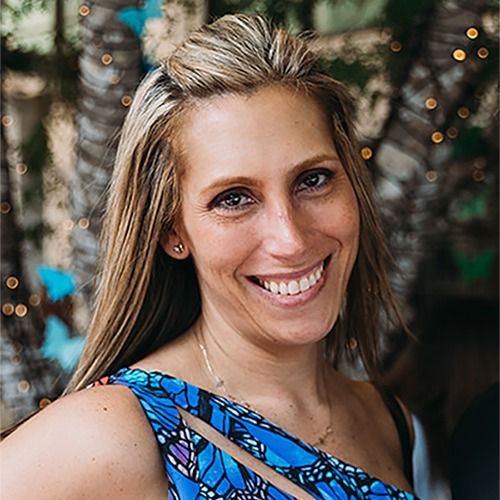
Episode 45: In the Weeds of Motherhood: Self-Care Without Guilt with Cindy Woulfe
This is your go-to Podcast, where we help parents navigate the complexities of family life. Hosted by Ali Kessler of Greyson’s Choice, we’ll cover everything from understanding domestic violence to navigating the legal system, finding the right therapists, life hacks, family law, mental health, custody battles, and how to protect children in dangerous situations.
In this episode of Grey Minds Think Alike, the host speaks with Cindy Woulfe, author of In the Weeds: A Guide to Saving Your Own Soul on this crazy journey called Motherhood, about how motherhood can feel overwhelming, isolating, and identity-erasing even when life looks “perfect” from the outside. Cindy shares how becoming a mom after having a strong pre-motherhood identity left her feeling lost, how honesty and connection with other mothers helped her heal, and why self-care is a responsibility rather than selfishness. They discuss practical ways to start—like quiet, meditation, journaling, small repeated rituals, gratitude, and setting boundaries—plus the importance of finding “your people,” communicating needs to a partner, and releasing guilt and comparison while accepting how motherhood transforms you.
About Cindy Woulfe
Cindy Woulfe is an author and advocate for mothers navigating the often overwhelming early years of parenthood. Like so many women, Cindy found herself drowning in the weeds of motherhood—experiencing both the pressure and the beauty that come with becoming a new mom. Instead of suffering silently, she chose to create a solution, or as she puts it, a mother’s helper.
Her first book, In the Weeds: A Guide to Saving Your Own Soul on This Crazy Journey Called Motherhood, is a heartfelt and practical guide for women who feel lost, depleted, or disconnected from themselves after becoming a parent. Through personal stories, thoughtful journal prompts, and real-life strategies, Cindy offers a 30-day framework designed to support reflection, emotional wellbeing, and personal growth during this transformative season.
Cindy’s work focuses on helping moms practice self-care without guilt, establish healthy boundaries, and reconnect with their identity beyond motherhood. Grounded in self-compassion, her message reminds parents that nurturing yourself is not abandoning your family—it’s the foundation for deeper connection, resilience, and joy for everyone you love.
Website - www.cindycapriowoulfe.com
About Ali Kessler: Ali Kessler is a writer, marketing professional, passionate parent advocate, and founder of Greyson’s Choice, a 501(c)(3) created to raise awareness about the risk of domestic abuse on children. Greyson’s Choice was founded by Ali Kessler in memory of her sweet, vibrant, and fearless 4.5-year-old son, Greyson, who was murdered by his biological father in a murder-suicide during an unsupervised, court-approved visit in Ft. Lauderdale, FL, in 2021. This came just hours after her petition for a domestic violence injunction was denied by a Broward County judge, citing that the “petitioner has failed to allege any overt acts by the respondent which would constitute domestic violence under Florida Statute.”
Ali’s advocacy efforts culminated in successfully passing Greyson’s Law during the 2023 legislative session. This bill now requires the court to consider threats against ex-partners or spouses when making child visitation and custody determinations in the court, expanding to include the following factors: evidence of domestic violence, whether a parent in the past or currently has reasonable cause to believe that they or a minor child is, or has been in imminent danger of becoming the victim of domestic/sexual violence by the other parent, even if no other legal action has been brought or is currently pending in court.
Contact Ali:
Transcript
Cindy Woulfe Podcast
Ali Kessler: [:Today I'm joined by Cindy Woulfe, author of In the Weeds: A Guide to Saving Your Own Soul on this crazy journey called Motherhood, for an honest conversation about what happens when caring for everyone else leaves you depleted. We talk about self-care without guilt, setting healthy boundaries, and reconnecting with who you are beyond the role of mom.
This conversations for anyone who's felt stuck, exhausted, or quietly struggling, and is ready for permission to care for themselves, too. So welcome, Cindy. Thank you so much for joining us.
Cindy Woulfe: Thanks for having me.
Ali Kessler: Absolutely. If you wanna just give our audience a little background on who you are and how this all came about.
orporate fashion, and then I [:Ali Kessler: different field.
Cindy Woulfe: Yes. Well, that's the thing. I think because by the time I got married and had my first child, I already had a really strong sense of self. So I think that's part of why I felt- You feel lost.
felt the hit. Yes, as much as I did, because I did so much before I even had kids. And, getting pregnant, having my son, one of my biggest dreams. So I felt so excited when all of that was happening. And then about a year into my journey of being a mom, everything looked perfect on the outside. It was going well.
I was very lucky to be home with him. My husband commuted, so he wasn't home that much, and we bonded, and it was a wonderful time, but anytime I would start to get quiet or have some time to myself, especially the better we got our sleep schedule and nap schedule, the more I realized that I was slowly losing myself until the point where I finally was like, "What is wrong with me?
Like, what is going on and what is wrong with me? " And that's how I felt. Plus you
Ali Kessler: probably have no idea that every mother probably feels that as well.
lfe: Right. I felt extremely [:Ali Kessler: I actually felt the same. I was always like, "Okay, you're giving, you're giving, you're giving."
And I'm like, "But what about the person that I was before?" I don't, you know, I wasn't doing any of the activities I used to do. It changes you in every possible way.
Cindy Woulfe: Yes.
Ali Kessler: And then eventually when your child is a little bit older and starts going to school, you're like, "Oh wait, I'm, I'm doing more things about
I remember who I used to be again." Right. I'm, you know, doing all those things again. So it is interesting how, you know, those roles kind of turn back and then maybe even when your child is older and you're older- Yeah. ... it may even reverse again.
Cindy Woulfe: Well, and that's why too, I'm glad I started asking the question when he was so young because now that both of mine are in school, I think I would be so far from myself, I wouldn't even know how to get back.
So because I put in the work early on, I feel like I've been able to adjust more as they grow up and be more present when I'm with them and be more whole just as a person so I can be the best mom. Not the best mom, but the best I can be.
an be. And, okay, so in your [:I know this can't be right."
Cindy Woulfe: So I had that first dark night in my kitchen when my oldest was, I think about one or a little before one. And I started to ask some questions, started to take some time for myself and get a little bit back in touch. But then I got pregnant with my second, then we were moving to another state because my husband changed his job.
So it was like everything that could be stressful happened at once. And if I hadn't started a little bit of the work, I think I would have really lost my mind, but I think it was when we first moved to our new house and, um, my second was a baby, he was crawling all over. My first was three running all over.
lly honest with someone else [:I don't think I'm doing it right. I'm losing my mind." And she had already had two kids, a little older than mine, and a pretty great life. They still traveled, they still did everything. So she was someone I looked up to and she told me motherhood can be a dark hole sometimes.
Ali Kessler: It's
Cindy Woulfe: true. And I remember thinking like, "What?
Like you feel this way too? Like if you feel this way, then there's hope for me because you still have this great life." So it was very- And how many other women
Ali Kessler: feel this way?
Cindy Woulfe: Right, so that's when I learned, okay, if I'm gonna have someone be honest with me, I have to start being honest with other people.
So that was huge. And then also just not feeling alone for the first time was huge because I was like, "Okay, I can do this. Like I can figure this out. " Did you think you
Ali Kessler: maybe had postpartum?
Cindy Woulfe: I think I did a little with my second, but something in me told me I can get myself out of this. So I fully understand for some people, you know, your brain chemistry's off, your hormones are messed up like- Yeah, hormones.
like you'd advocate for your [:Ali Kessler: And it can only get better.
So what did you do at that aha moment?
Cindy Woulfe: So then I started being more honest with everyone. So even like through my kids, some of the moms I met, I was sharing my story more or being honest and talking about it more. And I hate to complain a lot. It didn't turn into that though. It became more of like a sharing thing.
So we would start off being honest. I'd immediately see the relief in other people's eyes because, okay, now we're all being honest and then we like lifted each other up. So I think there is a danger that comes from constantly complaining about things and kids are awful and motherhood sucks and all that.
" Because I think especially [:But sometimes adding just a few things for yourself, that's what creates the balance.
Ali Kessler: So aside from therapy, which I'm a firm believer in-
Cindy Woulfe: Yes. ...
Ali Kessler: what are a couple of just easy things that someone can just add to today?
Cindy Woulfe: So for me, meditation is huge.
Ali Kessler: Okay.
Cindy Woulfe: And to someone that maybe that sounds scary to, just quiet could help.
I think even the quiet- Which is hard with a
Ali Kessler: baby.
Cindy Woulfe: Yes, it is, but it's, it's so worth it if you can carve out that time. And especially as you get on like a nap schedule, a sleep schedule, there is time there and you just have to make it a priority because what I didn't realize was the hit my nervous system took.
Like it was a physical response I was having to constantly being on call and constantly doing all the things or thinking about all the things and just that quiet helped my nervous system reset a little bit.
Ali Kessler: Yeah, absolutely.
Cindy Woulfe: So I would say that's the first place I would start.
. I know for me, whenever my [:Right. And I would just lay there with him sleeping and I would put on my DVR shows of reality TV nonsense- Yep. ... and just sort of zone out for like two hours and watch all those shows that just makes me me again.
Cindy Woulfe: That's my biggest message too is find what works for you. Like especially even just the way your day is structured, like how you spend nap time, how you sp- you know, if you're constantly spending time watching your shows and saying, "Oh, I should be doing this.
I should be doing that. I should..." That's not like, give yourself that time. "Okay, I'm gonna take an hour now and watch my shows because I know that feels good to me and do it with intention, lose the guilt, and then that's adding something in for you. "
Ali Kessler: Right. And it's something that small. Just watching an hour of Vanderpump Rules could, you know, be the answer to everything.
Cindy Woulfe: Yes. So- I'm a big Bravo fan as well.
e parent, how do they do it? [:you have no one to even vent to, another partner, or you're dealing with trauma or domestic violence- Right. Or other really traumatic things.
Cindy Woulfe: I think it's just, one, just accepting that you deserve time too, or you deserve the same care you give your kids. And I think also just realizing that self-care is not about being selfish, it's the goal is to show up the best version of you.
So you're actually doing a service to your children and everyone around you by taking care of yourself.
Ali Kessler: Sure. It's like
Cindy Woulfe: the whole
Ali Kessler: oxygen mask
Cindy Woulfe: scenario. Right. Right. But I think it's, it's very positioned to women, like, treat yourself or go get a pedicure. And that's great too, but that's not the same as, okay, this is your duty to make sure you take care of your own soul so you can show up and take care of these kids, not resent them, not be angry, not be snapping, because the better you show up, the better everyone feels.
So I think even just changing that narrative to this is also your responsibility.
the weeds when talking about [:Cindy Woulfe: Yep.
Ali Kessler: So I'm assuming it's the same thing, but- Yes.
you know, what did the weeds look like for you personally?
Cindy Woulfe: With kids or in the restaurant business?
Ali Kessler: With kids.
Cindy Woulfe: Okay. So it did come from my restaurant experience. I feel like- I still
Ali Kessler: say it for everything. Yes.
Cindy Woulfe: Yeah.
Ali Kessler: I'm having a busy day. I'm like, I'm in the weeds I can't talk.
Cindy Woulfe: Right. But the thing is like, don't you feel the more you do it, the more you realize, okay, I'm gonna come out of this.
Yeah. Like that's all it is. It's, it's an overwhelm- You gotta
Ali Kessler: be a really good multitasker.
Cindy Woulfe: Yes. Yes. And it's going to pass, you'll survive it, but I think especially once my second came along, like there was just no way to have peace. So I think I realized that I can keep myself grounded even when the world around me is exploding.
can survive their chaos. And [:Ali Kessler: chaos is probably normal now.
Cindy Woulfe: Yeah. And it's, it's just normal happy kids are loud and chaotic and that's just how it is. But I think that the more you can get yourself balanced and say, okay, what can I control? Because I can't control anything out here. So even just having that realization is huge, like what am I trying to control that's completely out of my control?
Take it off the list. What can I do right now? What can I realistically fit into my day right now? What one little thing can I add that will bring me joy today? Thinking like that, like baby steps. Yeah,
Ali Kessler: I mean it's really- It was
Cindy Woulfe: hard for me
Ali Kessler: because I was co-parenting with Greyson's father and we did not get along.
And so he tried to control me and my son was murdered in the end, but-
Cindy Woulfe: So sorry. ...
ving your own soul, what was [:Cindy Woulfe: First I would like to say I'm so sorry about your story. You are truly a survivor and amazing that you're still helping people and transforming your story to help others. I think that's a beautiful thing. Thank you. I definitely started writing the book while I was very much in the weeds- Okay. ... to the point that I was just putting notes in my phone.
Right. Like literally I would- I do that too. Yeah, like that's all you can do because it's, the moments were not that easy to sit down with like a laptop or anything. So I would have the downloads in my head and I would just quickly put them in my notes. And then it just got to the point where I had so many notes, I was like, I need to get this into something.
Like I found myself offering the advice that I offer in the book to more and more mom friends. And I had more people come back and say, "You know, I thought about that thing you said and it really changed the way I look at this. " Or, " I thought about what you, that story you told me and now I do this and it's really helped my day."
ike, I have to, like this is [:Ali Kessler: So is this just a bunch of stories that are blogs? Is it a guidebook? Is it a how-to? What exactly is this?
Cindy Woulfe: So it's broken up into 30 chapters.
Okay. Short, little easy, very easy to digest chapters because nobody has a lot of time. But each chapter is a story of mine- Okay. And then what I took from that story, what I learned-
Ali Kessler: What I learned.
Cindy Woulfe: And how I applied the change. And it's, even the advice that I give is not do this exactly this way and this will happen.
It's, okay, here's my experience, here's what I learned, take this and do with it what you will, or let it sit in your head a little bit and maybe it changes the way you look at something, but it's meant to be used however you need it at the time you're reading it. And there are journal prompts if you want to get a little deeper with some of the self reflection.
Ali Kessler: Notes.
voice again, because I think [:Ali Kessler: And I think that's a journal and write letters to Greyson for the, for his future self.
Cindy Woulfe: Yeah.
Ali Kessler: So I would, if I would be even upset, whatever, just journaling that, it brought like good memories or, thoughts because now-
Cindy Woulfe: I hope you still do that to him, for him.
Ali Kessler: I don't know because I know I'll never read them, but-
Cindy Woulfe: Yeah, but I mean-
Ali Kessler: I do have them to read-
Cindy Woulfe: Yeah.
Ali Kessler: at the point where I am ready to read them, which I haven't-
Cindy Woulfe: Yeah.
Ali Kessler: But I do have
Cindy Woulfe: them. ' Cause I do write, I write to my dad who's gone.
Ali Kessler: Right.
Cindy Woulfe: And
Ali Kessler: I do write
Cindy Woulfe: him. I do
Ali Kessler: write birthday cards. So every year on his birthday, I get him a birthday card and I bring it to the tree where we release balloons and I have everyone sign it who comes and then I write a little message, about what I would hope for in that year and-
I save them. So one day again, we'll, hopefully we'll look back and read them all and remember how love she was. That's
Cindy Woulfe: beautiful. That's beautiful.
martyr. How do you think our [:Cindy Woulfe: I think we are the only ones who are going to do it for ourselves, that's one.
Right. Right. But I think even now, it's just so like when I see these posts where it's like, happy birthday to my beautiful wife who never thinks about herself and always puts everyone else first. And I, I just, it makes me crazy because I'm like, please don't ever say that about me. One, yes, my kids are my priority, that's where my energy goes.
I've chosen to have them full time as my job, but like don't ever give me credit for not taking care of myself. Like I, I wanna take care of myself. I want my kids to see me take care of myself. I want them to know how to take care of themselves or their future partners. So like that whole like selfless never puts herself first, never thinks about herself, I think we need to rewrite that and no one's gonna do it but us.
Like we have to be ourselves.
hed it like I, for the first [:in decades, how much, how parenting has changed. I- Yes. I look at Betty Draper and how she was with the kids and how, well, first of all, how she's smoking and drinking and driving with all in the front seat. But that wasn't her fault. That was just-
Cindy Woulfe: Yeah, yeah. ...
Ali Kessler: times. But sometimes she was a little selfish.
Cindy Woulfe: Right.
Ali Kessler: It's almost like it changed from like Laura Ingalls days, moms- Yes. ... from that type of mom to then the type that are just doing their own thing. Right. And then we move back into, okay, we're gonna focus on the kids and now in today's era-
Cindy Woulfe: Yeah. ...
Ali Kessler: it's a combination of both.
Cindy Woulfe: Yes. But I think it is interesting you bring up Mad Men because I feel like that is gen- the generation where it was like- Free for all.
just keep drinking. Yeah. Drink and smoke and, oh, take these tranquilizers and- Yeah. Oh my gosh. Let's just do anything we can to keep you just like this. Functioning. Yeah. Yeah. And I, I think about my grandma too. So my mom is one of eight and- Wow. ... she would make mashed potatoes, they were Irish. She would make mashed potatoes every night, like peel all the potatoes.
es. Yeah. And I always think [:Ali Kessler: Yeah.
Cindy Woulfe: And then my mom recently told me she would, they would hear her go down the basement and cry. Like it was like a normal thing that mom went down- She'd peel
Ali Kessler: potatoes while crying?
Cindy Woulfe: Yeah. Or I don't think she had the potatoes with her, but that was her thing that she would go cry.
That's like heartbreaking. Yeah. And they just saw that as normal. That's what mom does. Like, but she was probably so overwhelmed.
Ali Kessler: And maybe even just peeling those potatoes every day was a routine.
Cindy Woulfe: Yeah. I mean-
Ali Kessler: People need routine just like-
Cindy Woulfe: Yeah. ...
Ali Kessler: babies need routines.
Cindy Woulfe: But I will say at the end of her life, she didn't wanna take care of anyone else.
She was like- And she's like, "
Ali Kessler: No fucking more potatoes."
Cindy Woulfe: Right. She was done. She wanted to live alone and that's what she did because she was just so done. And, and I don't blame her. Now I get it more than ever.
Ali Kessler: Yeah, for sure. Absolutely.
Cindy Woulfe: So I think I would like to save myself from going down my basement and crying.
I mean, I'm a big fan of crying. I think it's a wonderful release.
Ali Kessler: Yes.
Cindy Woulfe: But I want to deal with things more. Right. And I don't
Ali Kessler: want to know- I like to cry to feel emotion- Yes. ... not just feel sadness. And
Cindy Woulfe: release it [:Ali Kessler: Right.
Cindy Woulfe: Yeah.
Ali Kessler: And sometimes after that, you're like, you're back to good.
Cindy Woulfe: Yes. Lighter.
Ali Kessler: So.
Cindy Woulfe: Yes.
Ali Kessler: Okay. So one of your themes is repetition as relaxation. Can you explain how like everyday rituals, like you said, the potatoes- mm-hmm. Can actually help regulate overwhelmed moms?
Cindy Woulfe: Well, I think that's the thing too that goes back to when it feels so overwhelming, it's like, I can't possibly add that in.
I can't possibly add that in. But when you make them small enough, it feels like, maybe this will make a difference, but a small thing repeated over and over again becomes a routine, and then you're like, I miss that, I missed that little ritual this one day and I, I feel a difference now.
So that was how I started to realize that those small things were actually really adding up. And because they were small enough, it's easy to add them in.
Ali Kessler: Yeah. I would notice it too, like I said, even just at bedtime when, you know, Grace would fall asleep and I, you know, I'd, I'd do his whole bedtime routine- and then it would be almost turn into my bedtime routine. Right. 'Cause then I would watch my show and then I would do whatever I needed to do for, you know, the next, you know, get ready for the next day-
Cindy Woulfe: mm-hmm. ...
w, and then do my, you know, [:And I looked forward to it because I knew that was my time. Right. I knew it was coming, you know, even if I had a busy, crazy day, I still knew that that part of the night was still coming for me.
Cindy Woulfe: Yeah.
Ali Kessler: Right.
Cindy Woulfe: Well, and I think too, that's the beauty of the small things too, is that as kids grow and the routines change, you are gonna have to shift some of your rituals.
Right. And like, like now that my kids are in school, it looks very different than it did when they were little, but those things are, it's easy to transition them and change the little things because they are little so I can fit them in different places. Right. Yeah. So I think you're really creating habits that maybe you keep for the rest of your life.
Ali Kessler: And everything evolves, right? Yeah. Everything morphs, everything shifts. It's just learning how to roll with the punches, I guess.
Cindy Woulfe: Mm-hmm.
Ali Kessler: Or go
Cindy Woulfe: with the film. And I think too, I think I started out thinking, how can I get back to myself? And then what I realized was, okay, I can get back in touch with myself, but I am different now.
Ali Kessler: Right.
Cindy Woulfe: You're never gonna
Ali Kessler: be that single person
know, motherhood cracks open [:Ali Kessler: sure.
Cindy Woulfe: Let it crack you open because there's a whole transformation that can come from it. Right. Absolutely. So I think if we let it transform us instead of completely break us, there's so much beauty on the other end of that.
Ali Kessler: I agree. I mean, once you become a mother, you are changed for life.
No, there's no getting that back. Right. Even, even though my child is not here, I still am, I'm forever changed. Absolutely. I will never be the person I was before.
Cindy Woulfe: Absolutely.
Ali Kessler: And, a part of me misses that person.
Cindy Woulfe: Mm-hmm.
Ali Kessler: But it's just, learning to love the new person that you are.
Cindy Woulfe: Mm-hmm. And appreciate all you've been through and how you've been able to transform it.
Ali Kessler: So now what's the best and worst advice you've ever received about motherhood and how did that impact you?
Cindy Woulfe: Well, I'm gonna start with the worst because that's the first thing that goes to my mind, but- I mean, I had so much bad advice thrown at me.
ur time to bond." Like, so I [:I was like, "Forget it. If this baby wants me, I'm holding him. Like this is our bonding time." And I guess I don't even know what the best advice because I don't think I got any. Honestly, like I can't think of- Yeah. I guess my mom, my mom is pretty good and this is one of my chapters, this too shall pass. So that is one of the best pieces of advice for anything in life.
Like whatever you're going through, this two shall pass. It might change and there, there'll be other stuff, but it will, every single phase will pass. So just like hold on and you'll get through it. So that, I would say that's the best advice.
Ali Kessler: I think mine was, I used to write for Good Housekeeping Magazine and that was one of my questions in a article once and I think I answered always carry a snack of some kind.
Whether it's for you or your child-
Cindy Woulfe: As-
Ali Kessler: At some point, like while, while they're toddlers or babies, you're gonna want some sort of snack.
Cindy Woulfe: Yeah. Even now, because the hanger is real.
Ali Kessler: It is. It is.
Cindy Woulfe: Especially for boys, I think.
Ali Kessler: Yeah. I always had like a serial bar or some sort of- Yeah. ... something in my bag. Yeah. So, okay.
So for moms listening-
identity, which we've talked [:Cindy Woulfe: mm-hmm. ...
Ali Kessler: aside from meditation, where do you suggest they start reconnecting themselves? Maybe like support groups or how does, how do you even get in touch with people to talk?
Cindy Woulfe: Well, I think it, it needs to start with you first. So I think even just, I mean, most moms go to a gym class or- Sure. A music class, something where there's other moms around. Okay. And I think the more open you can be, the more you will draw the people to you that will also be open. And not everyone wants to go there.
Like I always remember one of the gym classes I went to with my older son and every week we would go and everyone would be great. Everything was great. Everything was good. And then the one week I, it was like a bad night sleep regression and I just started crying and it all spilled out and then everyone else sort of let down their guard.
And I always remember one mom like just sort of walking away. Like she just couldn't, and that's okay. Like she couldn't go there.
Ali Kessler: That was probably me.
Cindy Woulfe: Well, and that's okay too. You weren't, someone's not ready.
Well,
Ali Kessler: I always always took my son to all these mommy and me classes or soccer or whatever.
Yeah. And [:Yeah. And, but then I realized that everyone has problems. They have problems that- Absolutely. ... I just don't know about.
Cindy Woulfe: Yes.
Ali Kessler: So I, you know, you just learn to accept that not everyone is perfect.
Cindy Woulfe: And no one is perfect. No one. So even if you can't, if that person can't express it, there'll be a handful of others that are like, "Oh, thank God you said something."
Because that's how I feel too. And I feel like there's so much power in that connection, like, okay, we're in this together. Oh, you feel that way too? Right. Thank God I thought it was just me.
Ali Kessler: Right.
Cindy Woulfe: I think in anything in life that's the worst feeling is like- Yeah to come be alone. Or there's something wrong with me.
or different mom groups or, [:Cindy Woulfe: mm-hmm.
Ali Kessler: feedback from those types of groups because everyone's just sort of in it together,
Cindy Woulfe: right? Yeah. In survival mode together. Right.
Ali Kessler: Whether it's, you know, just recommending a class or getting like advice real, you know, deep down advice.
Cindy Woulfe: And that's another thing too. I think it's important even with mom friends to find a level too where we're not just talking about our kids.
There are some friends that's, that's what you have in common as your kids and maybe that's as far as it goes, but I've met some of my very good friends now from like my other son's preschool class because we got to know each other past our children. So like that helps you, I think, keep your identity too or form a new identity because now you're engaging with other people on a different level.
It's not just about kids. Right.
Ali Kessler: It's just about
Cindy Woulfe: the child. Yeah.
Ali Kessler: Yeah. And those are probably will become true friends, not just the surface level friends that you see at, you know, pick up or whatnot. Right.
Cindy Woulfe: Which is, which those are good too, you know?
Ali Kessler: Absolutely.
Yeah.
Cindy Woulfe: But you know, sometimes you know like, okay, this one's gonna go a little deeper or this is just, this is good where it is.
Like-
Kessler: And also, you know, [:Cindy Woulfe: Yeah. Yes.
Ali Kessler: So those are,
Cindy Woulfe: those are always
Ali Kessler: good. I
Cindy Woulfe: do think the real work starts on your own probably and-
Ali Kessler: It's hard to start that because-
Cindy Woulfe: Yeah. ...
Ali Kessler: some people don't know where to start.
Some people don't have the energy to start.
Cindy Woulfe: I would say too, that's where like the just one thing comes in.
Ali Kessler: Right.
Cindy Woulfe: Like maybe just- Like one
Ali Kessler: thing. ...
Cindy Woulfe: one thing you could do this week, like what brings you joy? Right. Like one thing you could add to your
Ali Kessler: day. I wanna say each day. Yeah.
Cindy Woulfe: Right.
Ali Kessler: Each day.
Cindy Woulfe: Even just for me, like when I have my, yeah or my coffee.
Like when I have my morning coffee, that's when I do my gratitude and now that my kids are in school, like I prioritize that. If I have an early dentist appointment or something, obviously I can't, but like I prioritize once I get them on the bus, I sit before I do anything else in my day and have my breakfast and coffee and my gratitude and then I tackle.
But that brings me so much joy.
Ali Kessler: Yeah.
Cindy Woulfe: And it's a very easy thing to add into my daily life.
Ali Kessler: Absolutely. How does this translate when you go on vacation and whatnot?
ct, my kids know like, okay, [:Ali Kessler: Okay.
Cindy Woulfe: And, and I'm gluten free too, so I usually can't eat waffles and stuff.
So they go get breakfast.
Ali Kessler: Breakfast and you have your time.
Cindy Woulfe: Yeah, they know mommy's doing her gratitude.
Ali Kessler: That's nice. Do they call it that?
Cindy Woulfe: Yeah, they, because they call it, because they're just so used to me saying it. Yeah. They probably think all moms do that.
Ali Kessler: I wish they did because that sounds lovely. I mean- I
Cindy Woulfe: know.
Ali Kessler: it does. I'm like, "What am I thankful for today?"
Cindy Woulfe: Yes. Yeah. But I mean, really, it becomes a practice too. And then the more you train your mind to do it, the easier it is.
Ali Kessler: So does parenting ever get easier or do we just get better at navigating the hard
Cindy Woulfe: part? Yes. That one.
Ali Kessler: Yeah.
Cindy Woulfe: I think if anything, I think it gets a little harder.
Sure. I think physically it gets easier. Like especially when I look back to those early years where I started wearing sneakers all the time because my little one would just take off. Yeah. Yeah. And you'd have to run like full speed. So that has, I think physically it's gotten easier. I'm not hauling things, but I think the problems get harder and the worry gets-
Ali Kessler: Right.
Cindy Woulfe: They get- Yeah. So I think the- They get
Ali Kessler: independent and you're-
Cindy Woulfe: Right. They're
Ali Kessler: on their own.
Cindy Woulfe: Yes. And [:Ali Kessler: yeah.
Cindy Woulfe: Yeah. So I think the tougher, again, that you can get yourself, the less pressure on the kids. So like-
Ali Kessler: How do you prepare for that when they start getting older and transition, maybe in high school and it's like, how does a mother let go of that chapter and embrace the next chapter, which is also a whole other person-
Cindy Woulfe: Yeah.
Well-
Ali Kessler: And getting to know that new person.
Cindy Woulfe: Even now, my 11 year old, he's only in fifth grade and he is, I can feel him pulling away and he's starting to be kind of mean at times and it's just, it's a, it's a scary thing. But I think because I do have my strong sense of self now, I'm, I don't really put it on him.
It's like, okay, I know how to make myself happy and it hurts when he throws those insults at me or is like really snarky, but I'm like, okay, this is, I'm okay. I am okay exactly how I am and I can be the calm for him because he's obviously having big feelings about something, so the more okay I am, the less I react to that.
So I think it's, this [:Ali Kessler: And then it's, then you'll have to get to know your new self once they leave the house- Yeah. And empty ness and you're like, "Okay, well now I'm back to where I was before I had kids, but I s- you know,
Cindy Woulfe: Yeah.
It's
Ali Kessler: kind of crazy.
But
Cindy Woulfe: I will say like that's, I saw that in my mom. Like my mom always had her own life too. Like we were important to her, but she always had classes and this or that. And she still does now. So I think that made an impact on me. Like I don't ever want my kids to feel like, oh, I don't want to go far away to college because I don't want to leave mommy or I don't, like- I knew my parents were
Ali Kessler: okay, so- I didn't care. I was like, I'm out. I left for college two weeks after I graduated high school.
Cindy Woulfe: Wow. See, I did too. Yeah. But I was like, okay, I know they'll be good without me. It's okay. And I think too, I don't wanna resent my kids. Like I think it's hard if you're not fulfilled, it's hard not to get into a place of resentment.
So you resent your kids or you resent your husband or you resent your life. I don't wanna put that on them. So that's another responsibility I feel, okay, the, the best I can keep myself, then they don't have to carry that.
Ali Kessler: Right.
Cindy Woulfe: Oh, [:Ali Kessler: Do you think fathers go through like the, the same type of thing at all?
Cindy Woulfe: I mean, my husband doesn't. I don't know about I can't speak for other- So
Ali Kessler: you're saying he doesn't feel any guilt, he doesn't feel any overwhelmed. I'm sure they get overwhelmed because men- Yes,
Cindy Woulfe: overwhelm, yes.
Ali Kessler: Men don't handle this kind of stress
Cindy Woulfe: as
Ali Kessler: well.
Cindy Woulfe: And I think some, I don't wanna generalize, but I, speaking from my husband, like when we had our first, his life just sort of carried on.
Ali Kessler: Carried on. Right.
Cindy Woulfe: And, and that was partly my fault too, because the way that we had it set up where I was gonna stay home with them- Right. And try to do my own thing on the side thinking I'd have all this time, which I never did, but his life just sort of carried on.
Ali Kessler: So he went to work every day.
Cindy Woulfe: He went to work every day.
He came home. He left when we were sleeping. He came home when my son was already asleep, the house was already cleaned up. So for a good few years, his life-
Ali Kessler: He's like, what
Cindy Woulfe: the- Yeah, what's a big deal? Did we have
Ali Kessler: a baby?
Cindy Woulfe: And that was as much my fault too.
Ali Kessler: Right.
Cindy Woulfe: But then the more I like stepped up, that's why now the coffee thing, I'm like, okay, that's my thing.
n you're home, you can bring [:Ali Kessler: And I think an important role that they could have if that's, because that happens with a lot of parents where- Yeah. One parent would leave the house and one parent's home and- Right. You know, the child's sleeping and whatnot.
But if, I'd say for that parent that gets to miss a lot, maybe they can pick one thing to do with that child that day, even if it's just reading them their bedtime story because they're already asleep- Yes. ... or, and dedicating that one thing or, you know-
Cindy Woulfe: Yeah. ...
Ali Kessler: something like that.
Cindy Woulfe: Well, and that was part of my recovery or whatever too was telling my husband what I needed and saying like, "I need you to step up and do this.
Right. "And I need you to step up and I-
Ali Kessler: And that would be your time to do something for you- Yes. ... when he was with the child.
Cindy Woulfe: Yeah.
Ali Kessler: That's definitely helpful.
Cindy Woulfe: Yeah. And that, that helped me a lot find my voice too because he had no idea either because everything looked fine. So I had to start being honest with him too.
Ali Kessler: And how did he take that?
Cindy Woulfe: He took it in stride. He still does. He knows that he married a very vocal person.
Ali Kessler: Right.
etter for it. And as much as [:Like, when I am happy, everyone else is happier. And I do set the mood for my family, so I just accept that as my role now. So my husband is pretty supportive because he likes it better when I'm happy too. So he might not understand everything I do, but he's like, " You can't go do that. We're good. " That kind of thing.
Ali Kessler: And like you said, as the kids get older, you'll have more freedom as well.
Cindy Woulfe: Yes. Yeah.
Ali Kessler: So I guess what's one of the most important lessons you want people to get out of your book?
Cindy Woulfe: I think that they're not alone. That they're not alone and they're not doing it wrong because it feels hard, because it is hard, and that's okay.
It's okay to not feel okay sometimes, and you're not ever alone in this. That's true. Those are my biggest messages. Also, I would say too, this is your life, your routine, your baby, set your own rules- Absolutely. Be in charge of your own. Tune out the
Ali Kessler: I would always say that. I'm like what, you know- Right.
Susan next door is doing- Right. ... might not be the same for me because- Right. ... our situations are totally different and- Yes.
Cindy Woulfe: And you're different and your child is
different, right? Yes. Yeah. [:Cindy Woulfe: Right.
Ali Kessler: So it's definitely harder, but kids adapt. Mm-hmm. So, you know, you just have to learn that every family is different.
Cindy Woulfe: Yes. And to tune out the judgment.
Ali Kessler: Absolutely.
Cindy Woulfe: And tune out the judgment for yourself, too. Like, you don't have to compare yourself to anyone else. You don't have to compare your child to anyone else.
The stronger that connection is with you and your child, the easier it is to tune out all the other stuff.
Ali Kessler: Right. Okay. Well, this might be the same answer, but if you could leave our listeners with just one truth about motherhood that you wish someone told you earlier, what would it be?
Cindy Woulfe: Okay. Well, so I'll use one of my other ones then.
Ali Kessler: Okay.
your people that you can go [:Like my friend Brooke, the one who sent that text, I was able to be honest with, and I would, I have gone to her many times and I know she's gonna validate me and I know I'm gonna feel better after I get off the phone with her. If someone in your life makes you feel guilty for taking time for yourself or doesn't validate your feelings, you don't have to disown them, but don't call them about this anymore.
But knowing that difference is huge because you need people that will validate you.
Ali Kessler: I completely agree. I actually had like a list and I would like- Yeah. ... literally check people like, okay, who can I call today? 'Cause I didn't wanna keep like burning the same person- Right. With the same nonsense, but I had to get it out somehow.
And so did they. So it worked
Cindy Woulfe: out. And the beauty of that is then, then you can turn around because like our other college friend had kids behind me. So now when she calls me, I can be like, oh my gosh, you'll never, Brooke said to me once, blah, blah, blah, like, this helped me, so this will help you so you can, you can give it back too.
Ali Kessler: I always cherished, you know, when my mom friends gave me actual advice that- mm-hmm. ... of something they went through with their children or their husband or their-
Cindy Woulfe: Right. ...
ck because I know they had a [:So I always really, always valued like on, I say like on the ground, like actual feedback.
Cindy Woulfe: Yeah.
Ali Kessler: You know, rather than just someone giving me their advice or their two cents. Yeah.
Cindy Woulfe: Yes. Or shutting you down completely like, oh, it's fine, you'll get over it.
Drink some more wine.
Ali Kessler: Yeah, exactly. No, I've, I had a lot to say.
I definitely felt bad for those people that where I just was like, " I don't know what to do. " But, you know, a lot of parents that are navigating traumatic divorces and things that, you know, or even a marriage that, isn't working-
Cindy Woulfe: Right. ...
Ali Kessler: you know, probably has a little bit more difficulty sort of taking that time, getting that time, knowing who those people are-
Cindy Woulfe: Right.
Ali Kessler: you might, you may have the same people might be friends with, your partner. You know, it does get tricky. So that wouldn't be ...
Cindy Woulfe: Yeah, then that wouldn't be your safe
Ali Kessler: person. That wouldn't work. But I, but that's why I'm a big, believer in therapy and if you can't afford therapy, at least you can get into groups or-
Cindy Woulfe: Yes.
Ali Kessler: meet ups or even a girl's night or just something to sort of break up the monotonous-
Cindy Woulfe: Right. ...
ay, making breakfast, taking [:Cindy Woulfe: Yes, agreed.
Ali Kessler: Well, thank you so much, Cindy, for this honest and grounding conversation, you know, your reminder that the path through the weeds, I guess, begins with self-compassion, which is something so many parents need to hear, especially those who feel like they've lost themselves in the process, of caring for everyone else.
Right. So to our listeners, if today's episode resonated with you, please know you're not alone, you're not failing. Motherhood was never meant to be a solo journey, and taking care of yourself is not a betrayal of your children, it is a gift.
And you can learn more about Cindy and her book, In The Weeds: A Guide to Saving Your Own Soul on this crazy journey called Motherhood.
In our show notes, I will post everything. And if this episode helped you, please share it with another. So thank you so much, Cindy. I really appreciate you- Thank you. ... coming on and sharing your words of wisdom.
Cindy Woulfe: Thank you for having me. It's great.
Ali Kessler: Absolutely. And we'll chat soon. I'm sure there's always more to catch up on.
Cindy Woulfe: Sounds good.
Ali Kessler: All right.