Episode 33
Episode 33: Transforming Child Safety: Insights from Advocates Barry Goldstein & Veronica York
This is your go-to Podcast, where we help parents navigate the complexities of family life. Hosted by Ali Kessler of Greyson’s Choice, we’ll cover everything from understanding domestic violence to navigating the legal system, finding the right therapists, life hacks, family law, mental health, custody battles, and how to protect children in dangerous situations.
In this episode of Grey Minds Think Alike, we are joined by two influential advocates, Barry Goldstein and Veronica York, whose groundbreaking work has reshaped our understanding of child safety, domestic violence, and family court reform. Barry is a nationally recognized domestic violence expert, author, and attorney, while Veronica is a certified high-conflict divorce coach and survivor advocate. Together, they have leveraged their expertise to educate the courts and professionals handling family cases. In this episode, they discuss their new book, 'Preventing Domestic Violence and Child Abuse,' and explore crucial research, including the ACE and Saunders studies, that highlight the adverse effects of ignoring domestic violence in custody cases. Watch as they share their journey, offer insights into the challenges within the family court system, and highlight the essential role we all play in protecting our children and empowering survivors.
About Barry Goldstein and Veronica York:
Barry Goldstein
Barry Goldstein is a nationally recognized domestic violence expert, author, and attorney with more than 40 years of experience in family law and abuse prevention. A former prosecutor and instructor for judges and court professionals, Barry has trained thousands on the importance of understanding Adverse Childhood Experiences (ACE) and the Saunders Study in custody decisions.
He has served as Director of Research for the Stop Abuse Campaign and authored several influential books, including The Quincy Solution and Scared to Leave, Afraid to Stay. Barry’s testimony and expertise have shaped policy, guided reform, and saved lives.
Now, as co-editor of Preventing Domestic Violence and Child Abuse: Medical, Law Enforcement, Judicial and Human Benefits (with Dr. Mo Therese Hannah and Veronica York), Barry is helping to connect public health research to legal reform — showing that protecting children and survivors isn’t just justice, it’s prevention.
Veronica York
Veronica York is a Certified High Conflict Divorce Coach, expert witness, and survivor-advocate specializing in domestic violence, coercive control, and family court reform. After a 20-year career in the television industry, Veronica was driven by personal experience to help parents facing the trauma of custody disputes involving abuse.
She holds advanced training in Family Law Mediation and works alongside Barry Goldstein, providing expert testimony, research, and reports for high-conflict custody cases. Veronica frequently speaks and writes about the misuse of “parental alienation,” post-separation abuse, and trauma-informed advocacy.
As co-editor of Preventing Domestic Violence and Child Abuse, she brings a survivor’s perspective to the national conversation — uniting medical, legal, and community efforts to prevent abuse before it happens. Her mission: a court system that prioritizes safety, evidence, and the lived realities of survivors and children.
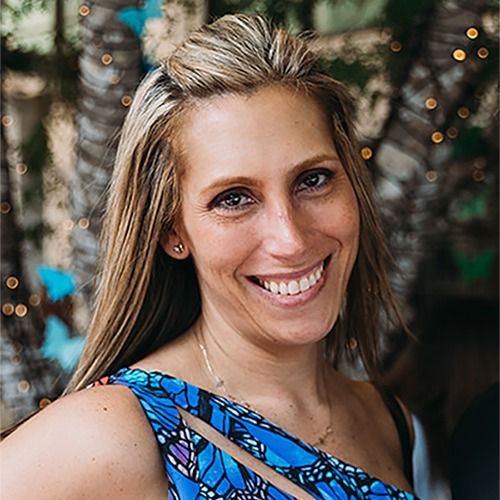
About Ali Kessler
Ali Kessler is a writer, marketing professional, passionate parent advocate, and founder of Greyson’s Choice, a 501(c)(3) created to raise awareness about the risk of domestic abuse on children. Greyson’s Choice was founded by Ali Kessler in memory of her sweet, vibrant, and fearless 4.5-year-old son, Greyson, who was murdered by his biological father in a murder-suicide during an unsupervised, court-approved visit in Ft. Lauderdale, FL, in 2021. This came just hours after her petition for a domestic violence injunction was denied by a Broward County judge, citing that the “petitioner has failed to allege any overt acts by the respondent which would constitute domestic violence under Florida Statute.”
Ali’s advocacy efforts culminated in the successful passage of Greyson’s Law during the 2023 legislative session. This bill now requires the court to consider threats against ex-partners or spouses when making child visitation and custody determinations in the court, expanding to include the following factors: evidence of domestic violence, whether a parent in the past or currently has reasonable cause to believe that they or a minor child is, or has been in imminent danger of becoming the victim of domestic/sexual violence by the other parent, even if no other legal action has been brought or is currently pending in court.
Contact Ali:
Subscribe, donate, listen, learn.
Transcript
Barry Goldstein & Veronica York
Ali Kessler: [:Together they've dedicated their lives to protecting children, empowering survivors, and educating the courts and professionals who hold families futures in their hands. Barry is a nationally recognized domestic violence expert, author, speaker, and attorney. With over four decades in experience with law policy and reform, Veronica is a certified high conflict divorce coach, expert witness, and survivor advocate who uses her lived experience and professional expertise to guide parents through some of the most difficult custody battles imaginable.
preventing Domestic Violence [:I really appreciate you speaking with us. I'd love to know how your partnership began, and just a little bit about each of you.
Veronica York: Thank you so much for having Barry and I here. We're honored to be on your podcast and we just resonate so much with stories like yours because this is the work that we do every single day and hear things just like your story every single day. And just for me personally, how I got started in this work is I did have lived experience and I was married to an abuser for 10 years.
althy lives in child custody [:Became a certified high conflict divorce coach and started coaching in March of 2021, at which time I decided I wanted to. Look into expert witness work because I felt like that was missing in a lot of the cases. I was not only in my own case, but in the cases that I was working on as a coach is to have someone to go to court, to educate the court about the research that really supports that their standard court practices are harming children.
said just resonated and the [:And not long after our first conversation, he reached out to me and asked if I would like to join him in being an expert witness and learn about how to become an expert witness in these cases. To take over his work eventually, because unfortunately, he wants to retire at some point and no one wants him to.
I know I don't, right. But it's bound to happen. And so I'm just very grateful that he mentored me, took me under his wing, taught me a lot about what's going on, the research behind it. And as we started collaborating, as we started doing expert witness work and writing the book that we wrote.
preventing this and helping [:So Barry and I are very dedicated to that, and I'm just. Completely blessed to have met him, to have been able to work with him and continue to work with him. And so that's how our partnership started. But I'll let Barry talk a little bit about his perspective as well.
Barry Goldstein: So I grew up a typical sexist guy, not particularly better or worse.
Sure. You the most men in our society. And what happened was I had a case in which the, my client who was a father. It his daughter. And I didn't know if what he did constituted abuse. And I thought, if I don't know with the legal training, how is a parent in general gonna know? And so at about that time, a friend of mine asked me to serve on the board of my Sister's Place, which is a battered women's shelter in Westchester County, New York.
d that's exactly what I did. [:And more and more I got recommendations from people doing DV cases. So it became an ever greater part of my work. And what next happened is a lot of my clients talked about they wanted to write a book about their experiences. None of them ever did. So I wrote a book to tell their stories and talk about, the process of going through the courts to leave their abuser.
And that was my first book. Scared To Leave, afraid to Stay. And
Ali Kessler: I wanna write a book too.
And I got kind of email that [:And that email came from Dr. Mo Therese Hannah, and it started a collaboration that we worked together for many decades and it put me in the middle of the protective mothers movement. It was around the time of the start of the battered mother's custody conference, and I kept going from there.
Ali Kessler: How is, how do men perceive your role?
Do you have male clients? Do they think neath? I'm just curious how, what men think.
Barry Goldstein: We occasionally take a male client, as domestic violence is a gendered crime in heterosexual relationships. It's overwhelmingly what men do to women, but there are exceptions. Sure. And when we get cross examined, the attorneys for the abusers wanna emphasize the exceptions.
So it depends on the [:Ali Kessler: now.
It's very admirable that you actually, you're an attorney and you're like, okay, I need to understand what's going on here so I can better help your clients and everyone involved. Why or how, why do you think other lawyers don't get on board with that? Why wouldn't they want to do everything they can to do their best job win and also help children and families?
iolence where they're having [:They don't do it. They don't view domestic violence as a specialized area of knowledge. But what I think has really happened is. The custody courts didn't know how to respond to domestic violence at the start. No one did. There was no research, and they developed practices based on false assumptions, like the idea that DV was caused by mental illness or substance abuse.
And so all these practices they developed and it turned out that they were wrong, but they just keep using the same failed practices. And I think attorneys, they're in a, a a movement or a system that keeps getting it wrong. They've heard the wrong things constantly. They're trying to get along.
't work as well in a DV case [:Ali Kessler: So what do you think is going on as of today in family courts?
Barry Goldstein: Think about it for a second. Are two really critical pieces of research that go the essence of the wellbeing of children. That's the ACE study and the Saunders study. Without ACE Courts minimized the harm from domestic violence and child abuse. Without Saunders. They're relying on the wrong professionals and they disbelieve true reports.
ACE came out in:Ali Kessler: Can you briefly explain to our listeners what those are?
Barry Goldstein: Sure. The ACE research is peer reviewed medical research. Comes from the Center for Disease Control and Prevention. Okay. Fundamentally, what it says is that children exposed to domestic violence, child abuse, other traumas will live shorter lives and face a lifetime of health and social problems.
And most of the [:Peer reviewed scientific research comes from the National Institute of Justice in the US Justice Department, so we're talking about highly credible research. The purpose of Saunders was to determine the domestic violence knowledge of judges, lawyers, and especially evaluators, because judges and lawyers get most of their information about DV from evaluators, and we could talk about it for hours.
but instead they're strongly [:That bogus theory twice rejected by the American Psychiatric Association because there's no research to support. It has more influence over the courts than Ace and Saunders, which courts could use to protect all our children. It doesn't make sense. I have never heard a judge explain why they're not using ACE.
It's
Ali Kessler: so you don't know. As of right now, you don't know why they use either.
Barry Goldstein: Yeah, I think a lot of it is inertia. And I think some of it is that they don't wanna admit that what they've been doing is wrong,
Ali Kessler: right? So how do we get them to acknowledge it and show them really what it is? Is that part of what both of you do?
red judge in California. Who [:A pediatrician who's worked with ACE and as a child was in one of these DV cases where the court didn't protect her. It includes a psychologist and evaluator, one of the few that actually understands domestic violence and includes this judge who are hoping that this kind of a multidisciplinary approach, they might listen to.
And so we're in the process of drafting. A proposal and it's one of the things we're trying to do.
surgeon's general reports on [:Can you explain this connection and why it matters?
Barry Goldstein: You might wanna start, and Veronica, do you wanna talk about what we word about Ace? I think your view is implying that very interesting.
Veronica York: Okay. Yes. So there is a chapter in our book. I wrote three chapters in our book, one about CPS and it's role in child custody cases. I want one about the father's rights movements. When Barry and I both wrote a chapter about alienation, and one of the things that we talk about often is that there is such thing as alienation because, most all abusive fathers alienate the children.
They talk disparaging about the mother undermines a relationship. They try to impose, harmful things in that child, and
Ali Kessler: the courts, it's almost a psychological reversal. They say you're alienating, but in doing so. Alien. Right?
Veronica York: So we wrote an article basically with a new approach to alienation.
rts now use alienation, they [:And so it only looks at the behaviors of the mother. And what we're trying to say is we need to look at the behaviors of both parents when we're considering alienation, if we wanna be fair about this, and we wanna look at the behaviors to determine if that behavior. Is causing the damage in the relationship with the father and or with the other parent.
ther, because again, they're [:They're doing it because they wanna control the situation and punish the mother for. So if we look at it that way, it helps us to determine what behaviors really are causing the problem in the relationship. And the parent accusing the other parent of alienation typically has no personal knowledge of what goes on in the other parent's home.
So everything that they're saying, for the most part is speculation. Oh she's saying this, she's doing this, it's causing this, it's her problem. And sometimes they don't even give an explanation. They say it's her fault that she, the child doesn't wanna be around me. And then mental health professionals chime in and say, yeah, the, the mother is imposing her emotions on the child and all of this nonsense.
the resistance of the child [:Ali Kessler: Right?
Veronica York: So how do they even prove alienation
Ali Kessler: as of right now?
Veronica York: As of right now, you know they're using the cottage industry of professionals who make a lot of money touting this unscientific theory that basically says, anytime a child doesn't wanna go with the father, it has to be alienation, and any allegations of abuse are false. That's the assumption with this theory.
And so because of that, courts are buying into this myth that mothers frequently make false reports of abuse. Then they're saying, because she's making false reports of abuse, she's alienating the child. So that's how they're getting to those really horrible consequences and really horrible outcomes for children when these theories are used and misused, I would say.
Gotcha.
Ali Kessler: And so tell us more about the what's in the book. So you have chapters on alienation and what else can readers expect?
g is that the failure of the [:And the problem is that the courts do not understand the fundamental nature of DV custody cases. They're thinking high conflict. Both parents are angry at each other in almost all of the cases that we see. What happened is a victim of domestic violence sought to escape her abuser, reported his abuse, and he goes after custody claims The mother is suddenly unfit in retaliation.
tic violence movement. In the:What all of those things have in common is it made it easier for the victim to escape. As a result, for three decades, the DV homicide rate went steadily down. So in 1976, about the start of the DV movement, 1600 women were murdered by their abusive partners, their intimate partners. Wow. 2005 that number had been reduced to 1181.
So there was this steady and real decline. And for a moment it seemed like we could really dramatically reduce, domestic violence because DV homicide is the best indication of all domestic violence. Because DB is, very much under reported. With DV homicide, there's a party she's not lying about and killing her.
[:That's where they got the alienation and the equal parenting and the high conflict and friendly parent. They used a variety of tactics and they used their financial superiority because DV is about control, including financial control. So most of the money is on the side of abusive fathers. That's why the cottage industry developed to take [00:20:00] that money, which means they need to help abusive fathers.
And so that's the problem. So they started these tactics. It's interesting when I did Quincy book, Quincy Model, which was the best practices for. Prevent domestic violence. I interviewed Bill Della Hunt, the district attorney there, and he said that when an abuser abuse, a father sought custody, the victim stopped cooperating.
t statistics we have was from:So we know the cause. And we know that some communities that use better practices had even lower rates of DV homicide. No one has talked about this before. This is brand new in the book. We're excited to share it and it really explains what the courts are doing wrong. Okay, so that, that's one.
Veronica, you wanna talk about the cancer and heart disease? I usually do that.
ng the, as we did back in the:And everybody was like shocked because. There had been so many advertisements and things that said it was perfectly fine and healthy and all of these things. And of course, big Tobacco at that time wanted to shut that down. [00:22:00] They used their immense financial resources and immense power that they had at the time to lobby and try to.
Keep this information from getting out. Sure. They wanted to make money, correct? Yeah. And but ultimately there were class action lawsuits that happened and they ended up losing and they ended up having to se give a whole bunch of money to make public service announcements and things like that to warn the public.
And you still see it to this day on cigarette cartons and cigarettes. You know that this is linked to. Smoking is linked to cancer and all aspects of society kind of came together to help people understand, if you're pregnant, don't smoke. If if you don't want lung cancer later in life, don't smoke.
nnection. Okay. And as we're [:Because of that stress, you go to the doc. Yeah, if you have a heart issue and you go to the doctor, the first, one of the first things they're gonna tell you is to reduce your stress, because toxic stress over time can make, can. Body to fatigue, to all kinds of illnesses. And of course things like cancer and heart disease.
And so in fact, the American Heart Association put out a press release, I think January of this year stating that children who are exposed to domestic violence,
rotective factor for a child [:So that really does coincide directly with the ACE research that says. If a child is protected, they can avoid those horrible consequences from ACEs that include things like anxiety, depression, sure. Low self esteem, suicide, and obviously getting diseases and illnesses. And so we really are making that connection in our book with.
Different aspects of society. Again, law enforcement, medical professionals, educators, and mental health professionals that use the ACE research. This is not just something that Barry and I think is important. This is something from the Centers for Disease Control and Prevention that has been used, initially used as medical research to diagnose and treat PA patients, and now you know many, educators use it with.
e to this child so that they [:And so we are excited about that connection.
Ali Kessler: Well, it's definitely true for all people that suffered any kind of trauma. I have severe, I have really high blood pressure because I'm constantly stressed. I have depression, I have anxiety, I have all these things that are definitely leading to other conditions and ailments and it, it affects your whole body, mind, and body.
So how can you get. I guess doctors and health professionals on board with understanding the correlation.
Barry Goldstein: You know, it's interesting you asked that. When we were meeting with the Cancer Society, they sent us research study of all the studies that linked domestic violence with cancer. One of the conclusions was that pediatricians are in a particularly good position to talk about this because, they work with these children all the time.
ey know how it impacts them, [:And coming from someone like Eric. They're more likely to listen. That's part of what we can do right
Ali Kessler: now. Let's talk about expert witness. How does it affect hearings and how do you become one?
Barry Goldstein: I guess the most, the best answer I can tell you is it depends. Lawyers and judges are not used to DV experts and so they, it depends, we've had attorneys that have been wonderful.
today because we got through [:This information is so compelling because we'll calculate the ACE score of the children, and the bottom line from the ACE score is the children who have multiple ACEs, which is all the cases we have. will live shorter lives. If the judge wants to just do the usual things, ignore what we're saying, on average they're gonna cost the children, whether it's several years or 20 years, many years from their life, that's an incredibly compelling thing to say.
Ali Kessler: Sure.
say is sometimes it makes a [:Ali Kessler: Is that's where expert witnesses come in. How do they play their part in the role? Like Veronica you became an expert witness, right?
And you did so because you wanted to show both sides of a case or,
Veronica York: well, we're not there to, we're there to help the court understand domestic violence. And as an expert in domestic violence, there's a lot of myths and misconceptions about domestic violence in family court. One of the most common is that it's physical violence.
And that's all that matters. And they say just because the father hurt the mother doesn't mean he'll hurt the child. And we all what they said in my case, and we know what happened in your case. And so that's what we're trying to prevent. We're trying to say hurting the mother is hurting the child and the ace research is so important to that message.
g to you, judge, that if you [:End of story. That child will live a shorter life and have health problems. Anxiety, depression. I don't think that's what you want as an outcome. So we're telling you we need to use ACE in this case. To show that best practices are that the safe parent gets custody, they have decisions over health and medical decisions because Saunders tells us that abuse of fathers will use decision making to block anything the mother wants.
Particularly things like therapy and medical treatment because they do not want their abuse to be exposed. And the abusive parent, typically the father needs to have supervised visits until he can change his behavior. We're never gonna tell a court unless there's something drastic that we don't want this father in this child's life at all.
lly have a good relationship [:That can't be farther from the truth. Sure we would want nothing more than our children to have good fathers, healthy fathers, right? Safe fathers. Fathers that are going to be there, protect and care for, and provide for the children. That's why the Father's Rights Movement is i'll just say ridiculous. I have a whole chapter of it in our book, but I wrote that chapter because it's very specific to my passion about this movement and that is that good fathers are needed and wanted.
correct? The Father's rights [:And, shared parenting is a whole nother topic, but it's certainly not in the best interest of a child to be forced to spend time, especially unsupervised with someone who's abusing them emotionally. Forget about the physical. We all know that's bad, but the emotional part is what ACE tells us causes the most harm.
So that's where we want to make a difference as experts to come in and share this research.
Ali Kessler: And how do you feel it's received by judges?
Veronica York: Asberry said, it depends on the judge. I just observed as trial in it was in. Yeah, it was Utah recently that Barry did. The judge was phenomenal. Phenomenal. She listened to what Barry had to say.
into consideration in their [:And it's the protective parent is the one who hire us because we are gonna come in and support what they already have as a case. As far as, what's. All cases are different, obviously, but they're gonna hire us to come in and use the research to support the facts and circumstances of their particular case.
And I know you asked earlier how you become an expert witness. I became an there's, I think there is a misconception also. We were talking about misconceptions in court of who is a domestic violence expert, who determines who domestic violence expert is. And right now in the family courts, they look to mental health professionals as the experts.
And that's why the Saunders study is so important because the Saunders study is telling us they're using the wrong experts. Mental health professionals are not domestic violence experts. They're experts in psychology and mental illness. But with rare exceptions, they're, they are not experts in domestic violence.
violence and so interesting. [:And so they're a huge part of the problem in family court. And so we want to educate the court as to who a domestic violence expert is. An expert in domestic violence is someone with lived experience, someone who works full time in domestic violence issues like advocates, people in the domestic violence shelters and things like that.
And they're also people who understand the research that's important because as experts, we're the only ones who can talk about the research. If you're not an expert, you can't talk about the research. And so as an expert you come in and you're able to do that. And we did a series of webinars with domestic shelters.org.
advocates, to become experts [:And we work in every state. I've been qualified in 10 states so far. Barry's been qualified in over 30 states. And so we know every state needs this and we want to be able to provide that resource to every state and hopefully, sometime in the near future we can start our grant to do that.
Yeah, for
Ali Kessler: sure. I hope to get it here in Florida. I know it's something that you just mentioned about how, no mother really doesn't want a child to have the father in their life. Like of course they do. And in my case, I wasn't even with Greyson's father. We lived in separate states. I didn't even have to tell him that I was.
eally didn't want him in his [:Veronica York: that's exactly the point. And that's my biggest regret. Frustrating. Yes. And I hear that.
And absolutely it would be an regret. The courts wonder why, like in states like Kentucky, which in my opinion is one of the worst states in the country, and the reason for that is because it was the first state to implement the presumption of 50 50. Sure. And that 50 50 presumption is what is so harmful because protective, we have it
Ali Kessler: now in Florida.
% of the [:And so homicide rates are not just the victims, the mothers, a lot of times women, the men homicides go up too because women start to understand that the only reason the way they can make the abuse stop is to kill 'em. So we're not talking about just women dying, but men dying. And we don't want anyone to die.
We want courts to start understanding that we need to make it easier for mothers to leave their abusers not harder. And that's exactly what Kentucky is doing. Absolutely.
Ali Kessler: Now both as a survivor and a professional, how do you support parents who feel silenced or disbelieved by the system?
Veronica York: Yeah, so it is a lot of empathy because I think mothers and me included, went to family court thinking we were gonna be validated, we were going to have justice.
actions of your abuser. And [:And so just being a coach, being. Part of, Barry's team and expert. One of the things that I, that keep me going every day, hearing story after story is when I hear mothers tell us that after speaking with us, they now have some hope, and that is the best thing we can ask for because of course, we can't control any outcomes of the case, but we can certainly provide that hope that we understand.
What's going on? We can tell you your story before you tell it to us. We can finish your sentences usually when you're talking about your case, because it's not that this is something unique. It is the same tactics over and over again in this, different states. Same tactic, different courts, same tactics.
tarted and you've spent your [:And so we wanna come in early on as early on in a case as we possibly can. To help guide the attorneys to help guide, the mothers, because I can talk all day long about cases as a third party in an objective way, but when it's my own children and my own case, I need someone to talk to about it and know that they get it right because most people don't.
And even your best friend is not gonna get it because they don't have that same experience, lived experience. They don't have that. Yeah. And even when I didn't, hadn't gone through it myself. I didn't get it either. It wasn't a,
Ali Kessler: Nobody knows.
Barry Goldstein: I wanted to say that part of our testimony is supporting the mother.
% of the time [:And that's a mistake.
Ali Kessler: How do you know when someone, when something is real and when something is maybe exaggerated?
Barry Goldstein: Well, you look at the big picture. When someone hires us, the first thing we do. We create the pattern of abuse, which is not a list of incidents, but of tactics that the alleged abuser made during the relationship.
And since it's very often there's a lot of information that's helpful, one of the things the courts never think about doing is to look at the father's motives. Here's a man who during the relationship. To do with caring for the child, suddenly demanding custody. What is his motive? Courts just wanna assume he's acting outta will for the child.
But when we look at the [:But the point we wanna make is when the father doesn't pay child support or takes all the mother's money that's taking resources that otherwise could have benefited the child. That he claims to love if he's doing alienating things, which they often do, that's that if he's denying or interfering with the child getting therapy that the child needs, he's again hurting the child.
years. [:And a big part of it's when they're saying, I did nothing wrong. It's all the mother's fault. What they're really saying is, I haven't changed. I'm, still need to change and that there's a giveaway and courts don't dunno to even look for that.
Ali Kessler: So what would you have said in my case, would you have seen that pattern?
Would you have seen those red flags from the Yeah, that behaviors,
Barry Goldstein: how standard practices would, Allie, I must tell you that when we testify and we talk about that thing where a judge says. Because he hurts the mother doesn't mean he would hurt the child. And then we say, we know a lot of children lying in graves now because that's what the judge said.
That's a really powerful thing to say. It sure is.
nest. If someone was hurting [:Barry Goldstein: You know what's unbelievable? There was a research study in one of my books by Dr.
Diane. And what she did was follow up on child murders like yours, and she interviewed judges and court administrators in the communities where it occurred. And the question she was focused on is, what did you do in response to the tragedy in your community to better protect children?
Ali Kessler: Nothing.
Barry Goldstein: And the shocking answer was nothing.
They all thought that was an exception.
Ali Kessler: Yep.
Barry Goldstein: They all to justify their mistakes, right? Like how could
Ali Kessler: we have known, how could we have known that would happen? We were telling you. Yeah. Yep. No, I, for sure. I look, I went to the courthouse the day before Greyson was killed and I said, I fear for my child's life.
s that? That's not a normal, [:Veronica York: And that's our point is do, they think that this is fun for us. Like they think. I think we're just gonna go in court and lie about things because we have all this money to spend on attorneys and family court and all of this stuff.
Like it doesn't, it really makes no common sense when you stop and you really think about it. But they're so ingrained in their heads now.
Ali Kessler: Yeah. And their career. I mean, Greyson's father wasn't even on the birth certificate. We weren't even together. So for them to even say, oh, she's just a bitter ex, or this or that, there was no grounds for that in my case.
So they should have listened. They should have. Right now, we just assume all of these cases are the same. But there's definitely no blanket case for any of this when it comes to family, that's for sure. So now advocacy work like yours is definitely emotionally draining.
So what keeps both of you grounded and hopeful in this fight? Okay, I'll go first, I
, what keeps me grounded and [:In fact, I just had a conversation with a mother yesterday who lives in Nevada, who I've been working with since 2022. She is using the legislation that just passed in Nevada in July. It was more of part of Kayden's law where it was, the reunification therapies and things like that because they were doing that well.
The judge ruled still ruled against her.
Wow.
However, she called me because I sent her the link where I testified at the legislator for Nevada. Nevada for this legislation. And she heard my voice in it and she called me and she goes, I didn't even know you had testified, she said, but.
t that you did for me back in:Yeah. But the way you do sometimes get that feedback that what you did made a difference. That obviously keeps you going.
Ali Kessler: Absolutely. I feel that too because, even just doing this podcast or getting Greyson's Law passed, I really appreciate when parents reach out to me, even by email and just say, just so you know, Greyson and Greyson's Law saved my child's life.
Veronica York: Yeah.
Ali Kessler: It doesn't make it better. I didn't wanna be that Guinea pig. I didn't want my son to be that Guinea pig, but at least I know. Something is on the right track.
Veronica York: I can tell you when we first met with you, I, I don't know if you remember, you reached out to us not long after Greyson was gone and we talked from that day.
t wasn't for your efforts. I [:Ali Kessler: I see that, but there's still a long road ahead, but that's why I talk about it. The more I talk about it, the more people see that this does happen.
I'm just, I was a regular person and this happened out of nowhere, so it does happen.
Veronica York: Yes. So that's
Ali Kessler: why I am always wanting to share as much as possible. And maybe I will write that book, maybe we can talk about that. Absolutely. Share,
Veronica York: write that book. And, I'm just commend you and I'm proud of you.
And I think that it's amazing what you do because there can be two different responses to that. It's like just go hide under a rock for the rest of your life. Or it's try to do something and that I always say that if I,
Ali Kessler: If I chose that option of hiding in a rock or not getting outta bed then the abuser wins. Greyson's father wins and will take power from the grave, and I refuse to give any more power back,
Veronica York: right? Because it was all to hurt you. This was all done because of that. Of course his issues, but yeah it we, yeah, we don't want him to win or any of those other ones, to any abusers to win because that's all they care about
Ali Kessler: [:Because that's what he wanted. He wanted basically me to suffer. So where can listeners find your book and learn more about your ongoing work and your training opportunities, all that good stuff?
Barry Goldstein: Okay it's not out yet, probably. Okay. In the next few months, it will be available on our publisher's website.
Since Civic Research Institute, I'm sure when it comes out, we'll be doing a lot of things to tell people about the book. We're really excited about the book and we're hoping to do a second book. The book we're doing in Civic Research Institute, they do books, buy and for professionals, the kind of books that you have, all sorts of citations and.
type of book. We would do a [:More accessible and also hopefully we could do some what you call it publicity to help the public know, some of the things we talked about here, and also the fact that the United States is spending. $3.6 trillion to allow men to abuse women, which would provide an incentive for public officials to change things.
Ali Kessler: Yeah, you would think
found out was that in June of:That's where we got the Surgeon General's report, and that's where everything happened. Because of that, and we were imagining. The [00:49:00] coming together, the Cancer Society and the Heart Association and DV organizations, and sending a letter to a president who is against domestic violence, against mistreating women, and maybe getting the national changes that are needed, and maybe when our second book comes out, we'll be ready.
But that might be it. And the financial benefits of preventing domestic violence Sure. Could be a huge incentive.
Ali Kessler: Yeah. You gotta talk their language, right? Money. Sadly. Thank you both so much. I really appreciate you, speaking with us and sharing all of your amazing work and, for continuing to fight for the truth and research and all for the protection of child's rights to safety.
nd that's both. What you do. [:Veronica York: Barry goldstein.net is our website? Yes.
Ali Kessler: Okay, great. Alright, thank you so much and I will be in touch because there's a lot more that we can continue this conversation about, that's for sure.
Thank you Ali,
Barry Goldstein: we appreciate the work that you're doing.
Ali Kessler: Thank you. I definitely appreciate that feedback. Alright, till next time. All right. Nice to talk with you.
Barry Goldstein: Bye.