Episode 53
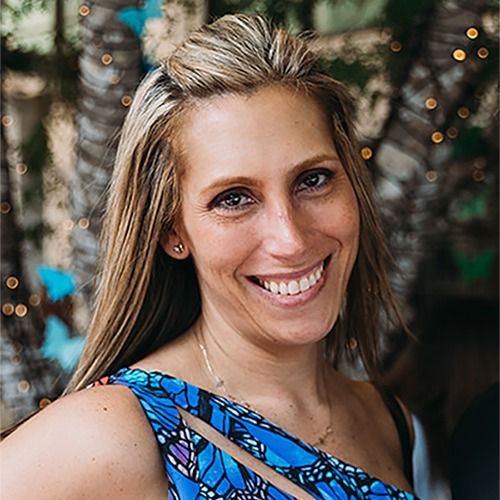
Episode 53: Uncovering the Hidden Truths of Domestic Violence with Amanda Kippert of Domestic Shelters
This is your go-to Podcast, where we help parents navigate the complexities of family life. Hosted by Ali Kessler of Greyson’s Choice, we’ll cover everything from understanding domestic violence to navigating the legal system, finding the right therapists, life hacks, family law, mental health, custody battles, and how to protect children in dangerous situations.
On Grey Minds Think Alike, the host speaks with Amanda Kippert, editor-in-chief of domesticshelters.org, about domestic violence, survivor resources, and the gaps that leave women and children unsafe—especially in family court. Kippert explains how she entered this journalism work, why survivor stories are often minimized or disbelieved, and how abusers can hide behind public personas while manipulating courts and communities. They discuss police and custody-system barriers, post-separation abuse, misconceptions that abuse must be physical, and the importance of listening to gut instincts, documenting incidents, and educating children early about healthy relationships. Kippert highlights concerning trends like “hidden homicides” and parental reunification camps, and outlines how survivors can seek help safely through local advocates and domesticshelters.org tools, including safety planning and resource directories.
Amanda Kippert is a representative of DomesticShelters.org, a leading online resource dedicated to helping survivors of domestic violence find safety, support, and critical information.
With a background in journalism, Amanda brings a storytelling lens to her work—helping raise awareness, educate the public, and shed light on the realities of abuse that are often misunderstood or overlooked.
Through DomesticShelters.org, she helps connect individuals with shelters, safety planning tools, and resources to support them in navigating and escaping dangerous situations.
https://www.domesticshelters.org/
https://www.amandakippert.com/portfolio
About Ali Kessler: Ali Kessler is a writer, marketing professional, passionate parent advocate, and founder of Greyson’s Choice, a 501(c)(3) created to raise awareness about the risk of domestic abuse on children. Greyson’s Choice was founded by Ali Kessler in memory of her sweet, vibrant, and fearless 4.5-year-old son, Greyson, who was murdered by his biological father in a murder-suicide during an unsupervised, court-approved visit in Ft. Lauderdale, FL, in 2021. This came just hours after her petition for a domestic violence injunction was denied by a Broward County judge, citing that the “petitioner has failed to allege any overt acts by the respondent which would constitute domestic violence under Florida Statute.”
Ali’s advocacy efforts culminated in successfully passing Greyson’s Law during the 2023 legislative session. This bill now requires the court to consider threats against ex-partners or spouses when making child visitation and custody determinations in the court, expanding to include the following factors: evidence of domestic violence, whether a parent in the past or currently has reasonable cause to believe that they or a minor child is, or has been in imminent danger of becoming the victim of domestic/sexual violence by the other parent, even if no other legal action has been brought or is currently pending in court.
Contact Ali:
Transcript
Amanda Kippert Podcast
Ali Kessler: [:Amanda brings powerful perspective to this work with a background in journalism and storytelling, helping raise awareness and shed light on the realities of abuse that are often misunderstood or overlooked. In today's episode, we're talking about domestic violence, the resources available to survivors, and what every parent and every person needs to know when it comes to safety, support, and protecting themselves and their children.
ks for telling it with care. [:Amanda Kippert: Of course ...
Ali Kessler: hello, and welcome. If you wanna just introduce yourself- Thank
Amanda Kippert: you ...
Ali Kessler: from there.
Amanda Kippert: Yeah. Well, thank you so much for having me on.
I love that you're doing a podcast to- Thank you ... raise awareness about this. There aren't enough podcasts that focus on this. I find a lot of them take sort of a true-crime angle to it.
Ali Kessler: Right. Right, right.
Amanda Kippert: And while people are interested in those stories, I think it's so important to also tie it back to how all those events happened.
So I appreciate this, and I appreciate you for doing it 'cause I'm sure it isn't easy every week or every however often you do it.
Ali Kessler: Yeah. Sometimes a couple of day, but yeah.
Amanda Kippert: Wow, good for you. Yeah, so I'm Amanda Kippert, like you said. I'm editor-in-chief of domesticshelters.org. We're a national nonprofit
It's an online directory of both domestic violence shelters, advocacy organizations, family justice centers, but then we're also sort of a hub of news and information about domestic violence. So pretty much any topic that you can think of, you can find an article about it there if you're curious about it.
we still have no shortage of [:Ali Kessler: Right. How did you get into this particular genre of journalism?
Amanda Kippert: Yeah. I started off just as your run-of-the-mill journalist a thousand years ago when I wrote for a newspaper, and people still read those. And then, of course, people didn't read those anymore, and so I sort of ventured into different areas in my career.
Marketing for a little while, public relations, didn't really love all that stuff. My heart was really into nonprofit work. I worked for a food bank for a little bit as their communications director and really loved that. And then when this opportunity came up with a friend of mine who was starting Domestic Shelters, and he said, "You know, I want you to write the content for it," I was like, "Absolutely."
And to look back on [:And then after that, the post-separation abuse that happens within the family court system is, as you well know, just infuriating. And I think that's the part that people know the least about. And so I'm honored to share people's stories, but they're also a lot of times heartbreaking.
Ali Kessler: Right.
Amanda Kippert: And I know that when I go back to tell even like my husband or my friends about a certain story that I reported on that just has really impacted me, and he says, "I can't believe that's true," all the time.
Like, sure, I just made this [:But when I start talking about it and I get up on my soapbox, people's eyes always have that same kind of look, like, "What? Wait, I'm sorry, the family court system doesn't help women?" That's correct. Yes, that's correct.
Ali Kessler: Yeah, I'm always pretty surprised as well from all the, you know, people that contact me daily and then tell me like a whole diatribe of their entire story.
I'm just like, "How is this still possible?" You know?
Amanda Kippert: Yeah.
Ali Kessler: I mean, nobody expected what happened to me to happen 'cause why would, why would a parent murder their child? That's crazy. Right. That doesn't happen. Yeah. And then of course it does, and it happens in your community, and you're like, "Oh my gosh, this really does happen."
e, "We knew this was coming. [:We keep trying to tell you." This is how it ends up when we ignore it and when we minimize it and when we don't take it seriously and when we say, "Oh, he's just, he's just trying to scare you. He doesn't actually mean those things." He 100% does, and he's 100% gonna do them. And, um, I've heard from just too many survivors that say that they've contacted police over and over, and the police are like, "Well, call me back when he does something."
So they're like, "You want me to call you back when I'm dead?" That's a little too late. Right. Exactly. So you can't call me-
Ali Kessler: Well, that's what happened with me as
Amanda Kippert: well. Right. Exactly. Yeah. It's your story to a T. It's like, "Well, let me know when something has actually happened."
Ali Kessler: Yeah. The police officer- I mean-
said they can't do anything, this is family court. I would have to get an emergency pickup order to actually get Greyson, even if they found him and he was alive, I wouldn't... And it was my day. I wouldn't have been able to, they wouldn't have been able to do anything. They weren't allowed to know, bang down the door.
I had to hire a locksmith. I mean, just crazy. Absolutely crazy things. Yeah. It's like- Yeah ... "Oh, sorry, we don't wanna help. We don't want... God forbid we actually work and, you know, maybe make a difference."
ert: Because there, the, the [:We have to- Right ... follow the law." Right. It's like, but the law doesn't make sense. I always compare it- Right ... to kidnapping. You know- Right ... if a woman was being held hostage or a child was being held hostage by a complete stranger in an apartment, there would be a SWAT team on scene, you know, in seconds.
But because it's a parent, they're like, "Hmm, no, you're gonna have to go to the family court for that."
Ali Kessler: Right. Well, they, they- How does
Amanda Kippert: that make anyone safer? ... literally
Ali Kessler: said, "Well, Greyson's just with his father. He's not missing." 'Cause I asked for an Amber Alert. He wasn't in school for two days. Nobody- Right
heard from either one of- They were both missing. They were both missing, and they didn't do any of that. And, you know, I got Greyson's Law passed, which to me was just common sense. Right. I didn't know you needed a law for common sense. It's like if it's, if it's- You do ... not written, it doesn't exist.
It's
Amanda Kippert: absolutely- Right.
and find them? 'Cause I know [:Amanda Kippert: I, I honestly can't remember how I first originally found your story, but it must have been online somewhere. In general.
Yeah. And, so when I see a story that needs more amplification like that, I definitely reach out to the survivor and say, "Do you feel comfortable sharing this with me on this platform?" A lot of survivors, excuse me, email me, amanda@domesticshelters.org. It's really easy. And, other than that, it's just...
I mean, I have news alerts set up for domestic violence, abusive relationship, intimate partner abuse, and it's just never-ending. It's just never-ending, where there's just another topic. You know, the big one right now that we've been reporting on a lot are, is this thing called hidden homicides. Yeah. I don't know if it's just 'cause I'm seeing it more or if there's an uptick in it, but abusers are making homicides look like suicides.
know? And then you start to [:It's terrifying. It's terrifying.
Ali Kessler: That's... Yeah, that is definitely terrifying. And how do you know, like, what to believe? You know, o- obviously- Mm-hmm ... you know, you're not a lawyer, you're not a judge. You're, you're reporting what someone tells you. How do you know what's actually fact and fiction?
Amanda Kippert: Yeah. Well, my default is to always believe women, and survivors, but it's majority of survivors are women.
So that is my default because my first thought is, "Why? Why would any survivor want to make this up and lie about this and continue it on into the media and have so many details?" It doesn't make any sense to me. Of course, I do my journalistic- Fear of it. Yeah. No. No one wants... I always say it's, no one wants this kind of attention.
almost like you're on trial [:Whatever stupid reason people come up with. That a lot. Yes. And I think- No. Nobody wa- nobody wants that. Nobody wants your vitriol. Nobody wants your judgment. They're telling this because they don't feel like they've been believed or listened to or heard, and they're angry, and I wanna be sort of that microphone for them to help get that out there.
You know, of course, I do my due diligence and follow it up with, "Do you have a record of this police report?" But really that's just in case I have to cover my butt. You know what I mean? Yeah. But I'm never like, "Prove it to me." I'm just, I'm like, "No, I believe you. I believe you," because this isn't- Why do you think
Ali Kessler: that so many victims are just not believed?
would never. I would never." [:They don't wanna believe that Johnny Depp could threaten to dismember Amber Heard and put her in the trunk of his car as he said that he was going to do to her. People wanna continue watching the movies without that kind of guilt. You know, it's hard for people to swallow that Brad Pitt could strangle his own child
but there's testimony- Yeah ... that he actually did that. Yeah,
Ali Kessler: yeah. Right.
Amanda Kippert: And it does get swept under the rug a lot.
Ali Kessler: Right.
Amanda Kippert: It just goes- And you think
Ali Kessler: judges believe that as well?
Amanda Kippert: I think judges are a whole different story. I, I know that there's some good judges out there, so I'm not gonna slam judges in general, but so many times there is a underlying current of misogyny or patriarchy that has made up the justice system that just runs so deep.
lose my position as, like a [:but
Ali Kessler: I
Amanda Kippert: won't do-" ...
Ali Kessler: would wanna help a woman, but yeah.
Amanda Kippert: I know. That part always shocks me, too. The number of survivors who have told me, like, and I'm like, "Who was this judge? Who was this lawyer?" And they, they name a woman. And I'm like, "Wow." Oh,
Ali Kessler: yeah. Wow. I had a woman lawyer and the judge that denied my injunction was a a woman.
Amanda Kippert: Yeah.
Ali Kessler: Her name was Susan Alspecter of Broward County.
Amanda Kippert: Thank you. Say her name. Say her name.
Ali Kessler: Yes.
Amanda Kippert: It's just, it's so sad to me because this is never going-- violence against women is never going to end unless we all start acknowledging that it's real. And that, for a lot of people, is a hard pill to swallow, like I said, for either a self-protection reason or because they have experienced it also in their past, but they just never stepped forward.
't have to face what we went [:You know? Or we don't have to believe that this man that is so kind to everybody else and volunteers at the school and gives to the church and all this stuff could do these horrible things. Like, that can't be real life. Then who are we supposed to trust? You really have to swallow that pill that men are dangerous.
So many men are dangerous.
Ali Kessler: So what are we supposed to do? I mean, obviously telling our stories are-- You know, for me, I think it's the most beneficial that-- thing that I can do because it's actually- Yeah ... saying this really happened. I mean, it's factual. Right. Greyson is dead. I know. So-- And you know, you mentioned something before, like, you know, getting back at your ex.
The crazy thing with me is that Greyson's father and I were never a couple. We never were married. We never lived together. He wasn't on Greyson's birth certificate when he was born. Right. So what motive would I have? There was no getting back 'cause there was no relationship. It was just, "Let's co-parent as best as we can."
he fact that he never wanted [:Amanda Kippert: Right. Yeah. God only knows what his motivation was, but it all goes back to power and control, right? He wanted power and control over you. He wanted power and control over Greyson.
Ali Kessler: So for survivors out there, so telling their story is probably- Mm-hmm ... one of the best things that they can do.
Amanda Kippert: Yeah, if they, and no judgment to the survivors who don't feel comfortable telling their story- Right ... because you do face a lot of judgment- Yeah ... and some hatred when you- Yeah ... when you get out there and you share your story.
So for those survivors who do, it's, it's a brave thing. It's a very brave thing. In terms of ending domestic violence, which is the big question, I mean there's a dozen different ways that you can go at it, but my personal belief, the thing that I get on the soapbox most about is starting when people are children.
Starting with children.
Ali Kessler: Right. Yeah.
Amanda Kippert: Most importantly, sons, to teach them about boundaries, respect, healthy relationships, and for girls about the same things but from a different perspective. Like, this is a healthy relationship. This is what it should feel like. This is what it should look like.
Anything [:They're passing down all these ideas of toxic masculinity, and some women too, some mothers too, who grew up seeing this behavior from a father, an uncle, a grandfather, something like that.
Ali Kessler: Yeah, it's profound
Amanda Kippert: Yeah. So really acknowledging that. I think we need so much more education in schools early on about this, because by the time somebody gets to a relationship with an abusive partner and they don't know what they don't know, it's so much harder to reach them.
. You actually don't deserve [:Ali Kessler: Right.
Amanda Kippert: So I know that my own two daughters are sick of hearing about it because- Yeah ... I talk to them about it all the time, but I don't, I don't care, because this is what they need to know.
Ali Kessler: Do you think you've learned a lot in this position, like writing about all these stories? Do you think you have learned maybe what others can, red flags can look at, look like and, and maybe things that they should or shouldn't do? Do you think that you've actually also become more of like a resource?
Amanda Kippert: Yeah. Yeah. I, I mean, not to toot my own horn or anything, but- 'Cause I
Ali Kessler: know I've
Amanda Kippert: learned
Ali Kessler: so much ...
Amanda Kippert: yeah. I do sort of feel like a expert on this topic because I'm so surrounded by it. I'm so ensconced in it all the time. And of course, you know, there are women advocates, men and women advocates, who have been in this for much longer than I, and I turn to them for more wisdom, and advice when I'm researching stories, because they've been doing this work since the '70s, when people finally started to say, "Wait, maybe we shouldn't beat our wives."
de plus that I've done this, [:You know? Yeah "A friend of my teenage daughter is dating this person and something feels off," or, "My mom got a new boyfriend and this doesn't feel right." And they just kind of want confirmation, you know? And to me it's like, if your gut says that it doesn't feel right, whether it's in your relationship or somebody else's relationship, your gut's not lying to you, right?
I agree. We all have that feeling when we're around somebody that gives us kind of the creeps. And even if it's like a really nice person, we can kinda be like, "Huh, something's off." And I always encourage people to not shut that voice down. Right. And really listen to them.
Ali Kessler: Yeah. No, I definitely agree with that.
Now, in your work and stories you've covered, has there been one that has really stayed with you, something you just couldn't shake or something maybe that led to meaningful change?
: I mean, every story that I [:I'm a mom and I- I just, you know, I can't even imagine. In terms of a specific story, I mean, besides your horrific story, I think the, one of the more recent stories that I did about parental reunification camps-
Ali Kessler: Yes ...
Amanda Kippert: was, I mean, that's something that I like to share with other people if they're interested when they ask about my work or what I'm writing about, because it's so hidden.
Right. And it's so insidious.
Ali Kessler: I've met a couple girls from, like, Turning Point or a couple-
Amanda Kippert: Mm-hmm ...
Ali Kessler: of places, yes. Yeah. That have run away from them.
rent, um, who abused them or [:It's absolutely bananas, and these people have no qualifications whatsoever as psychiatrists, psychologists, mental health professionals, anybody. It's like a life coach. Anybody can just be like, "I'm gonna open a parental reunification camp," and then they go and they tell lawyers, and then, you know, they tell judges.
And I don't wanna get too conspiracy theory here, but I'm sure that there's a line of money that follows that, and, um, and there's some sort of profit that comes from that. And just hearing that these children are sometimes trapped with their abusive parent for years, years and years, because the person who runs the parental unification camp has told the judge they're not ready.
They're not ready to go back to their protective mom who is alienating them from this good, decent father. And
Ali Kessler: it's because the child is, won't lie?
Amanda Kippert: Yeah. It's because the child won't lie. It's because the child hates their abusive parent. We just, we're not listening to children. We're not trusting children.
hat is raising a whole other [:They're continuing the cycle. For what reason? I don't know. Again, so many theories of, you know-
Ali Kessler: Yeah, there's, there's such a- ... them just having
Amanda Kippert: screwed up lives ...
Ali Kessler: you know, if they wanna keep doing it, there's, I feel like there's better ways to, to do it. Like, okay- Mm-hmm ... re- reunification camps are maybe a good idea, but let's figure out the right way to do it.
Amanda Kippert: I know. There, I mean, if you took abuse out of it, because I feel like there is no reunification when there's abuse present whatsoever. Of, of course, there could be a concept of reunification if you have two parents that aren't getting along but neither one is outright abusive and, you know. But that's, you know, I think that's already happening with family therapy.
That's like therapy. They don't need to ship them off to, like- Right ... I mean, the, the girl that I interviewed, you know, was taken to some crappy motel and- Right ... kept there while she- We may
Ali Kessler: have talked to the same girl ...
Amanda Kippert: counseled. Yeah.
Ali Kessler: Or is her name Ali?
Amanda Kippert: Yep.
Ali Kessler: [:I talk about it on this.
Amanda Kippert: Okay, good. Yeah.
Ali Kessler: Yeah. Her and her sister, she's the one I was talking about, how sh- they ran away and yeah.
Amanda Kippert: Yeah.
Ali Kessler: She's so strong. She, she speaks about it pretty oft- Yeah ... you know, frequently, so.
Amanda Kippert: She's amazing. I mean, the, how she got out of that with such poise and such ability to speak about it.
Ali Kessler: Yeah. We spoke together- Amazes me ... in front of, uh, lawmakers in DC together.
Amanda Kippert: Mm-hmm, yeah.
Ali Kessler: So yeah, it's all crazy. I don't really understand those practices at all, and I just wish that, you know, maybe if they were in a reunification camp with the abuser and the, you know, the child is talking to the therapist or whoever was coordinating, that, you know, they are actually believing them, and then maybe talking, you know, taking that information back to, you know, the judges or whoever.
Like, that would be helpful.
Amanda Kippert: Right. Yeah. Like, if
Ali Kessler: they actually- And that's what- ... did their
ories about those people not [:How far does it- travel through the court system, and when are we going to prioritize the safety of women and children over men and their, like, hurt feelings that, you know, someone accused them of something that they absolutely did? Like, it just all boils down to, like, abusive men not wanting to take accountability for anything and, you know, gaslighting everyone around them to believe that what they did was somehow less than what they did or was justified in some way, shape, or form.
Yeah. I mean, there's still states that have, that allow, what's the, punishment to your children that's physical, physical punishment. You know, spanking, hitting, that kind of thing. That to me is just like, w- abusers are gonna be like, "Amazing. I'll move there. Like, it's legal. Now I can justify it."
Ali Kessler: Yeah, that's absolutely bonkers.
in the past? What's just one [:Amanda Kippert: tell anyone? That it's never your fault, that you can let go of that guilt no matter how long you stayed or how many times it took you to leave or what leaving looked like for you.
The effects of abuse are long-lasting, and it doesn't, it's not like you're cured and back to normal the second you step away from an abusive partner. There's so much fallout from that that can result in so many different things and physical and mental effects that, once again, just giving yourself grace and forgiveness and taking as long as you need to heal from that and shutting everybody else out who says, like, "Are you still upset about that?
Are you still sad about that?" Like, seriously, like, get away. Yeah. Move on. And for parents, I mean, talk to your kids. Talk to your kids.
Ali Kessler: Yeah.
Amanda Kippert: Talk to your kids. Yeah. A lot. More... They don't... You think that they know. They don't know. They don't know.
Ali Kessler: Now how can someone safely seek help if they're being, you know, controlled or monitored?
ave a place where, like, one [:In a bathroom. Yeah. Right. Yeah. Um, if you go to a doctor's appointment, uh, you can ask the doctor, "Can I make a call from your office?" And hopefully that doctor is gonna be like, "Absolutely." I don't know who would, wouldn't. But reaching out to an advocate, I think, is the number one first step because that person is trained for what you're going through.
If you're not in a life- How do you find an
Ali Kessler: advocate?
Amanda Kippert: Yeah. So on domesticshelters.org. Thanks for asking. Go to- Well,
Ali Kessler: actually my next question- ... find help ... was what are the resources?
Amanda Kippert: Yeah.
Ali Kessler: So tell us about everything that Domestic Shelters offers.
Amanda Kippert: Yeah. If you go to domesticshelters.org, you go to get help, or you can use this hope chat that pops up.
It's an AI
Ali Kessler: Okay
Amanda Kippert: It's an AI device Yeah And I know we're all anti-AI because it's wrecking our hearts, but- No, I
Ali Kessler: have one on Grey Son Choice You can- Amy says, so yeah Okay.
will help direct you to the [:Okay I think the best option, a lot of people think about the National Domestic Violence Hotline, which is a great resource. Right, right You can definitely call there, but they are often so overwhelmed with calls- Right, busy, yeah ... you might actually sit on hold for a while, which is not what you want when you're in a time crunch.
And most likely they're gonna direct you anyway to your local nonprofit or advocacy group- Right ... because they're gonna have the best resources for you in your area. So they're gonna help you determine if you need emergency shelter or transitional housing or legal help or an order of protection. You know, or they're gonna give you a lethality assessment, which is a couple of questions- Yeah
to see, like, how much danger are you in? 'Cause some, some survivors might be like, "You know, I need to get out, but I just-
Ali Kessler: Right.
Amanda Kippert: You're not ready ... not ready yet." Right. And they're like, "Well, has he ever put his hands around your neck and squeezed?" "Oh, yeah, yeah, he does a lot." "Okay, well, you're at a very high risk of being killed right now."
And you need somebody to say that to you sometimes in order to believe it. See, I didn't have
Ali Kessler: that though, and I needed someone to say that to me.
Amanda Kippert: Yes, yes.
Ali Kessler: So it's difficult, yeah.
Amanda Kippert: [:Ali Kessler: Um, I really- Here in Bergen County we have Women in Distress, and I wish we had reached, I wish I had reached out to them.
I didn't even know about it. So talking about it right now is going to be very helpful, just to let people know that there are different organizations in every community.
Amanda Kippert: Yeah.
Ali Kessler: So.
Amanda Kippert: And I think a lot of survivors think that if they call a domestic violence shelter, that the only reason they would call is for shelter.
Ali Kessler: Right.
Amanda Kippert: That's not true.
Ali Kessler: Right.
Amanda Kippert: I think it's a misnomer to just say it's a shelter. It should be- Right ... group or, uh-
Ali Kessler: Yeah ...
Amanda Kippert: organization or whatever. But you can call to talk to an advocate about, like- Okay ... "I'm not ready to leave- Right ... but I need to know what's happening right now and what my options are." You don't have to give them any personal information.
You don't have to give them your name. They're not gonna call the police unless you want them to. You know? So you can just call them and know that it's sort of a, a very safe place to-
Ali Kessler: And the advocate, what is their role? What do, are they trained in this type of domestic violence? Are they s- psychologists, lawyers
Amanda Kippert: They're definitely not psychologists or lawyers, but I'm sure they could hook you up with- Yeah
[:I would just listen to people, and I would just let them talk and talk and talk, and then I would say, "Do you want some options? Do you want me to walk you through a safety plan? Do you wanna hear about shelter?" It's never like, "Oh my God, girl, get out. I'm gonna come get you right now." You know? It's, it's gotta be the survivor's choice.
Ali Kessler: Choice, yeah.
Amanda Kippert: Because the abuser's already taken away all of their ability to make choices, so you don't wanna be another person that's telling them what to do. You wanna say like, "This sounds very dangerous, and I think that-" Hence
Ali Kessler: Grey- That- ... son's choice, but yes.
Amanda Kippert: Yeah, exactly. Right. Exactly. So yeah, tho- those advocates should be very patient Very helpful, very kind.
that you might get somebody [:Just don't give up. Don't let one phone call deter you and think like, "No one's here to help me." There are so many people that wanna help you.
Ali Kessler: So someone's first step should be to reach out to domestic shelters, and then they can get sort of an action plan.
Amanda Kippert: Yes. Yeah. They can get a, the phone number of their local advocacy group organization.
They can also learn about safety planning. We even have a safety planning worksheet, so if they don't really wanna call anybody, they can fill it out themselves. And a safety plan is basically like the steps they're gonna take during the next incident, or the steps that they're gonna take when they're ready to leave.
And so they have this all planned out, and it helps them to organize their thoughts and it not be like a spur of the moment thing where they don't know what they're doing. That can really help you.
Ali Kessler: Okay. Great. I'm gonna put all of that in the show notes so people can contact, you know, you and the shelter itself.
tes and stuff, are there any [:Amanda Kippert: Yeah, I mean, there's just a wealth of information. Oh, okay. And I think education- On the site itself. Yeah. Education- Okay ... uh, we have thousands of articles. Um, educating yourself about what you're going through I think very much helps survivors understand that they're not alone.
Okay. Because domestic violence is so isolating that they might think, "I'm the only person who is going through this right now. My situation. Like, I know that there are women who are getting beat, but I'm the only one who is being stalked by my husband, and he's never put a hand on me, but I still feel scared of him all the time."
Going on the site and reading about that, reading about coercive control, reading about non-physical types of abuse, reading about things like, um, reproductive coercion, you know? Yeah. Things that are just kind of like, wait, that's abuse? Yes, it's 100% abuse. Any time that you don't have the freedom of choice, that's abuse, you know?
d. Oh my God, he's exploded. [:That's how it works for a lot of abusers. Not every abuser, but for a lot of abusers. And I will say that- Yeah ... there is a high percentage, um, I forgot exactly what the percentage is. I can't remember all the stats all the time. There's a high percentage of domestic violence homicides, I wanna say, like, a third of them, where that murder was the first time physical violence occurred.
So just because- Right ... the abusive partner hasn't hit you or shoved you or anything like that- Which
Ali Kessler: happened to me, right
Amanda Kippert: Yes. Yeah.
Ali Kessler: Yeah.
Amanda Kippert: The, it definitely doesn't mean that it's still kind of an innocuous relationship or partner. It's, it could very well not be.
Ali Kessler: Right. No, I mean, I think these type of people, these abusers are very good at wearing masks and-
Amanda Kippert: Mm-hmm
ople that lived in Greyson's [:Amanda Kippert: Yes
Ali Kessler: that I never saw, like, this, that version of him. Right. And yeah, it's, they become very skilled at hiding their true selves. Yes. So that's really hard to show a lawyer, a judge, you know, an advocate, people that can help.
Amanda Kippert: Mm-hmm.
Ali Kessler: Because on paper, they look great.
Amanda Kippert: Yes, and they know it. They know it. Right. Yeah.
That's why they do it, right?
Ali Kessler: Exactly.
Amanda Kippert: So sometimes abusers have two personalities like that- Yeah ... one behind closed doors that only the victim unfortunately has to see, and then one outward personality that everyone loves and adores. And they might also do this very sinister thing where they start to sort of poison those around the survivor and sort of start dropping hints that she's a little crazy or- Yeah
she's-
Ali Kessler: Like
And none of these things are [:Ali Kessler: Yeah. "
Amanda Kippert: We already know that you're the crazy one.
Thanks, though."
Ali Kessler: Right. Lay off the bottle, yeah.
Amanda Kippert: Yeah. Yeah, she's addicted to drugs. She's an alcoholic, right? She... Oh my gosh. I know this one survivor who went to court and the abuse- her ex-abusive partner tried to use the fact that she was on antidepressants, as if- Aren't
Ali Kessler: we all?
Amanda Kippert: I was like- I mean- ... "Uh, show me a woman who isn't."
I
Ali Kessler: mean- Yeah ...
Amanda Kippert: just like to say that she was crazy, and you couldn't believe her because obviously she's depressed, and so that makes us liars? I don't know.
Ali Kessler: Yeah.
Amanda Kippert: They'll try anything.
Ali Kessler: No, I, I definitely agree. Now, aside from not being believed, what are other... like, what are the biggest misconceptions that people have about domestic violence?
u sure it wasn't just, like, [:Ali Kessler: Right.
Amanda Kippert: Which implies that some of the onus is- It's on you
on both people. Right. Yeah. And it's-
Ali Kessler: Yeah ...
Amanda Kippert: it's not.
Ali Kessler: That's what happened with me as well.
Amanda Kippert: Right.
Ali Kessler: Right.
Amanda Kippert: There's so many
Ali Kessler: different kinds of abuse. They kept, they labeled it as a, you know, a high-conflict situation.
Amanda Kippert: High conflict. No. Yep.
Ali Kessler: The... He was the conflict. I was not. Right.
Amanda Kippert: Yes. Yeah. And in cases like yours where you become desperate to protect your child, it's almost used against you in court because it's like, "Look at this overly emotional woman who can't control her emotions, and she's so emotional."
And it's like, are you kidding me? If my child was in danger, I would knock down doors, right? Like, I would scream at the top of my lungs. Of course you would be emotional. , It irritates the crap out of me that not only do survivors have to defend themselves in court and prove the abuse happened instead of the abuser- Right
elped them through that, you [:Ali Kessler: Yeah
Amanda Kippert: "it's not gonna benefit you." And, I mean, speaking of-
Ali Kessler: No, it's true.
Amanda Kippert: I- ... of myths, that's another, another one for sure, that an emotional woman is lying- Right ... or that a woman who can't remember everything- Right ... is lying. Right. Because in so many cases of domestic violence where it does become physical, strangulation, head trauma, TBIs, they can erase parts of your memory just like that.
Ali Kessler: Wow. Yeah.
Amanda Kippert: And so a lot of survivors- That's
Ali Kessler: why I tell everyone- ... don't even know that themselves ... to journal and keep, like, keep a record of everything so you have an evidence trail.
Amanda Kippert: Yes. Yes.
Ali Kessler: Like, journal- A log is- ... everything. Log everything ...
Amanda Kippert: so good.
Ali Kessler: Yeah. I definitely-
Amanda Kippert: Just keep it somewhere where the abuser can't find it.
But yes
Ali Kessler: Yeah ...
Amanda Kippert: log everything because you don't know Well,
Ali Kessler: there's a lot of good apps for that now, too.
Amanda Kippert: Yes, there are, and they kind of look like something else on your phone, like a shopping app, but it's really your, your journal. Yes, 100%. So I mean, that's a really real thing, and a lot of survivors don't even realize that they have memory loss from the abuse that they survived.
parts that are just kind of [:Ali Kessler: Yeah ...
Amanda Kippert: my mind, and...
Ali Kessler: Well, and I know- Yeah ... some like survivors that do come out and, and try to seek help, they get in trouble. They're the ones that actually get the time taken away because they're not believed or they're the ones starting the problem, I guess, or reporting- Right
that there's a problem. Right. That, I think, is one of the worst things, 'cause you're like, "Okay, this happened. My child was sexually abused, you know. I'm telling the police, I'm telling the lawyers, I'm telling whoever, and you're taking me away from the child?"
Amanda Kippert: Yes, I know. Yeah, that's a reality, too. And I know a lot
Ali Kessler: of- I don't even know what to tell people in that scenario
Amanda Kippert: I mean, if they can afford it, consult an attorney that has domestic violence experience. That last- Right ... part is super important because not every attorney- Yes ... does. And some will say that they do. Correct. But then you're like, "Well, tell me about the cases that you've dealt with that have had-
Ali Kessler: Right
lped women get through this, [:But there are some legitimate coaches who will help women through, um, a divorce case or a child custody case when there's domestic violence present, and they can be really, really helpful. But sometimes, sometimes the advice is get divorced first. Don't mention the abuse. Get your custody agreement in place, and then deal- Mm-hmm
with the criminal charges of abuse. Because by combining them, sometimes it does come back to, for some weird reason- Right ... bite the survivor in the butt because they're like, "Well, why are you bringing this up? You just trying to get back at your ex? A bitter woman?" Like, oh my God.
Ali Kessler: No. Yeah. I, I heard that one a lot.
I'm like, "What am I bitter about? Well, he's not my ex." Right.
Amanda Kippert: I don't want anything to do with him.
Ali Kessler: Yeah, he, we, we, neither one of us want anything to do with each other.
Amanda Kippert: Yeah.
Ali Kessler: So it's j- it's so complicated. It is. I don't know how you do it. I don't know how, you know, I hate hearing more stories that are just crazier than the last.
I [:Amanda Kippert: I know
Ali Kessler: What do you do to sort of decompress and sort of get away from that?
Amanda Kippert: Yeah. At some, some interviews, I have to just shut my computer right after and either go have like a good cry or find something on, um, on TV- Netflix ... that sort of like detoxes my brain, like an episode- Yeah ... of Seinfeld or something.
Ali Kessler: Yeah.
Amanda Kippert: And it's not to say like, "Oh, I can't handle this," because someone else is actually living it.
Ali Kessler: Yeah.
Amanda Kippert: But there, there is a heaviness and a shared trauma- Oh, yeah ... that goes along with some of these stories, especially when, when children are involved. Um- Yeah ... it really does take a toll, but- And
Ali Kessler: hearing it over and over, it...
Yeah, definitely.
Amanda Kippert: Yes. Yeah. Yeah, but I just keep telling myself, like this is, this is important. Like these survivors need somebody to believe them and to listen to them, and then put their story out there so that they can be like, "Look, this happened. Like a journalist reported on it. It happened." You know, I don't know if I necessarily give it as much legitimacy as it needs, because we should obviously believe women right off the bat.
dn't need to be written on a [:Ali Kessler: Well, that's fantastic. You know, it... I always say, you know, someone that's passionate about something is the one that's gonna get the job done.
Amanda Kippert: Yeah. Yeah. I don't know how you wouldn't become passionate about this once you start to learn, once you start- No, it's-
to like pull that thread and the whole thing just comes out, you just-
Ali Kessler: It's
Amanda Kippert: heartbreaking I'm like, I don't know how, how I couldn't do this forever because at some point at some point in my life I'd have to retire. But it's just like how can you leave this behind? You just hope that you've inspired other people to continue it on and to not stop fighting.
Because believe it or not, I think we are making progress. We're making slow progress, but we're making progress because the more that we get together and combine our forces and shout about this, the more that people are going to listen. I mean, the amount of laws that have been passed related to domestic violence and coercive control and child abuse and things like that have all been because survivors- Right
... and gotten other people [:Ali Kessler: Yeah. It's, it's hard though. We need to make sure these lawmakers not only listen, but also learn what they are. 'Cause I know people are like, we cited Greyson's Law in court, and the lawyer didn't know what it was, or the lawyer threw it out.
Or not the lawyer, the judge, sorry.
Amanda Kippert: Yeah.
Ali Kessler: And that's why judge training in domestic violence- Oh
Amanda Kippert: my
Ali Kessler: gosh ... is so important, and we don't have that in Florida.
Amanda Kippert: No. It's not, and I, something that we need to
Ali Kessler: fix. And they wouldn't let us put it in Greyson's Law, so.
Amanda Kippert: Right. Of course not. Why would those judges need to do any extra work just for the safety- No, and-
of children ... I
Ali Kessler: mean, they already have immunity, so- Yeah ... they have, like, the perfect life, right?
Amanda Kippert: Exactly. You can't sue a judge when they screw up and, you know, are the cause of your child being murdered or, you know, someone else being murdered. It's absolutely, absolutely insane, and they are not required to- Right
have domestic violence training. Which is- I think they... When I talked to- ... wrong ... some judges, they were like, "We had, you know, a class about it maybe- Right, right ... in law school."
Ali Kessler: Right. "
Amanda Kippert: But after that I never heard about it again." So-
Ali Kessler: Right. That's
an, how are they supposed to [:Ali Kessler: Yeah ...
Amanda Kippert: the patterns look like-
Ali Kessler: No
Amanda Kippert: if they're not
Ali Kessler: actually- Especially when, like- ... making the effort ... in my case, I s- I had three judges that one weekend when I sought the injunction, the emergency pickup order. It was like whoever was on duty, you know, that day just got thrown whatever, and they could practice a completely type of different law, and they're just reading it for the first time.
So things like that- Mm-hmm ... need to change. Like- Yeah ... it's just, there's just so many things, but
Amanda Kippert: Yeah. The whole legal system needs to be dismantled and- Yeah ... started over.
Ali Kessler: Start over.
Amanda Kippert: Let women take this one. Let, let us create one. You guys made the first one. Let's do the, the makeover redo.
Ali Kessler: Well, I hope, you know, sys- you know, systemic change happens throughout the nation because it's just a mess.
l the difference for someone [:So if someone you know is experiencing domestic violence, please know that help is available and that there are organizations like domesticshelters.org that are here to support you every step of the way. So thank you so much, Amanda. And I hope we can chat again sometime.
Amanda Kippert: Me too. Me too.
And thank you for all the things you're doing, because your job is just as hard, and you keep on a-going, and it amazes me.
Ali Kessler: Well, thank you. I do this because, I want to be that resource for people, I don't get paid for this, i'm actually a writer as well, but I write- Nice ... about travel.
Amanda Kippert: Yeah.
Ali Kessler: And it's very different. So, at least I have that escape when I'm writing. I'm writing about beautiful places-
Amanda Kippert: That is nice ...
Ali Kessler: that I'll never be, that I'll never go to.
Amanda Kippert: I should take that on as a side gig. That would be a nice break. Yeah.
Ali Kessler: All right. Well, good luck with your next story and, we'll chat again.
Amanda Kippert: All right. Thank you.
Ali Kessler: Thanks.